Choosing the right medical insurance coverage isn’t about spending the most—it’s about protecting yourself from financial ruin while staying within your budget. With rising healthcare costs, even a single emergency can lead to thousands in medical bills. Understanding your needs, comparing plans, and knowing what’s covered can help you pick the right amount of coverage without overspending. This guide breaks down everything you need to know to make a smart, confident decision.
Key Takeaways
- Assess your health and family needs: Consider age, medical history, and family size when determining how much coverage to get.
- Understand plan types: Know the difference between HMOs, PPOs, EPOs, and HDHPs to choose the right structure for your lifestyle.
- Factor in out-of-pocket costs: High deductibles may mean lower premiums, but higher bills when you need care.
- Check for network coverage: Staying in-network saves money; going out-of-network can lead to huge unexpected costs.
- Review annually: Life changes—marriage, kids, retirement—mean your insurance needs may change too.
- Don’t ignore preventive care: Many plans cover checkups, vaccines, and screenings at no extra cost.
- Consider supplemental insurance: Critical illness or accident insurance can fill gaps in standard health plans.
📑 Table of Contents
- How Much Medical Insurance Coverage Do You Need?
- Why Medical Insurance Coverage Matters
- Understanding Your Health Needs
- Types of Health Insurance Plans
- How to Calculate Your Ideal Coverage Amount
- Common Mistakes People Make
- How to Save Money on Medical Insurance
- What Happens If You Don’t Have Enough Coverage?
- Supplemental Insurance: Filling the Gaps
- Real-Life Examples: How Much Coverage Do They Need?
- Final Thoughts: Finding the Right Balance
How Much Medical Insurance Coverage Do You Need?
Let’s face it—healthcare is expensive. A single ER visit can cost over $2,000. A hospital stay? That can easily climb into the tens of thousands. Even routine procedures like an MRI or a specialist consultation can leave you with a hefty bill if you’re not properly covered. So when it comes to medical insurance, one question stands above all others: How much coverage do you actually need?
The short answer? It depends—on your age, health, family, income, and lifestyle. But the long answer? It’s a mix of planning, research, and understanding what your money is really protecting. This article walks you through everything you need to know to figure out the right amount of medical insurance coverage for your life.
Why Medical Insurance Coverage Matters
Visual guide about How Much Medical Insurance Coverage Do You Need
Image source: ranalawgroup.com
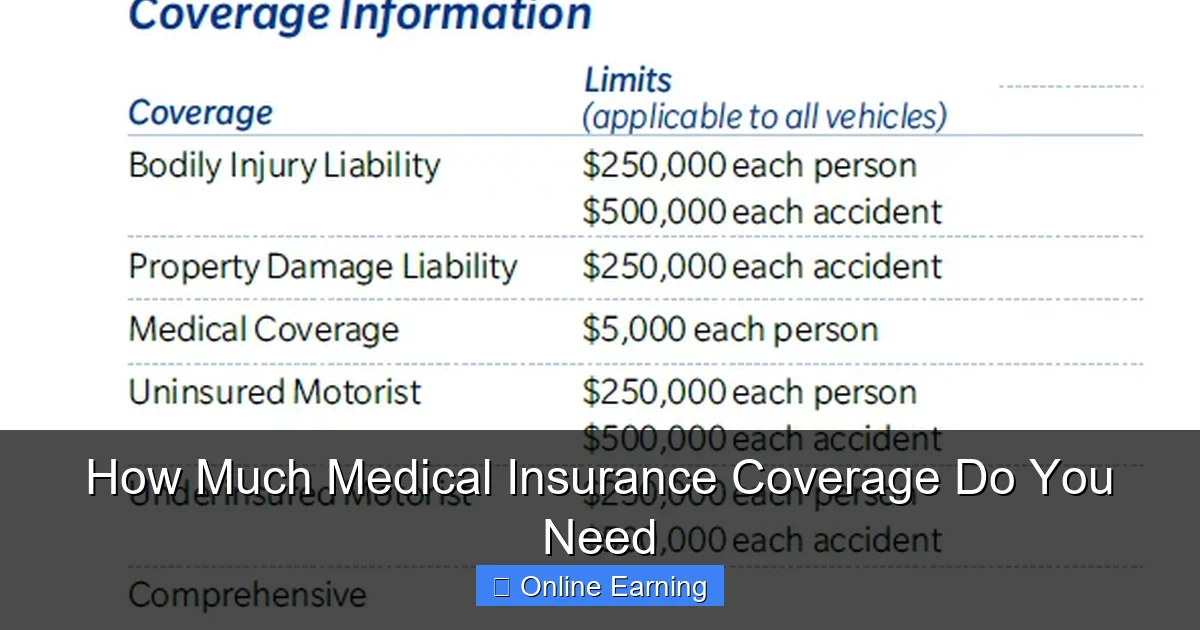
Medical insurance isn’t just about getting treated when you’re sick. It’s about protecting your financial future. Without insurance, a single medical event can wipe out years of savings. Think about it: if you needed surgery and had to pay $20,000 out of pocket, could you afford it? Would you have to take out a loan? File for bankruptcy?
Health insurance spreads that risk across thousands of people—you pay a monthly premium, and the plan helps cover your medical costs. The more coverage you have, the less you pay when something goes wrong. But more coverage doesn’t always mean better. Sometimes, you’re paying for benefits you’ll never use.
The goal isn’t to max out your coverage—it’s to find the right balance between protection and affordability. Let’s break that down.
Understanding Your Health Needs
Visual guide about How Much Medical Insurance Coverage Do You Need
Image source: nextgen-life-insurance.com
Age and Life Stage
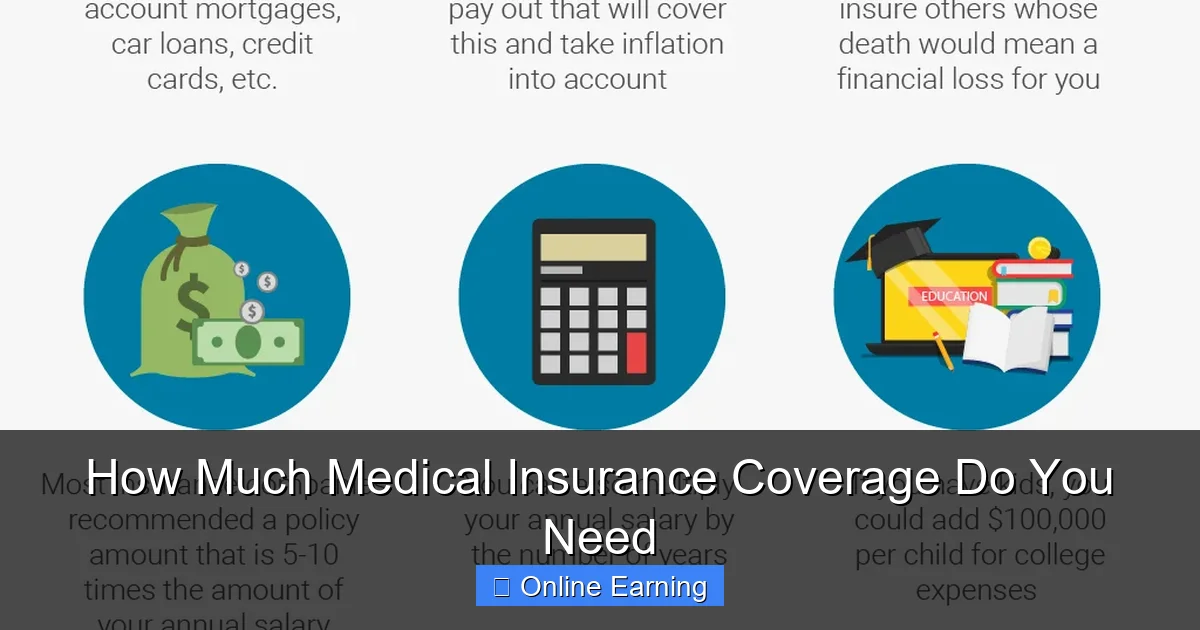
Your insurance needs change as you age. A 25-year-old healthy adult may only need basic coverage. But a 45-year-old with a chronic condition or a parent of young children may need more comprehensive protection.
For example:
– A young professional might focus on preventive care and emergency coverage.
– A new parent may need maternity care, pediatric visits, and family wellness.
– An older adult might prioritize prescription drugs, specialist visits, and long-term care support.
Family Size and Dependents
If you have children, spouse, or aging parents depending on you, your coverage needs multiply. A family plan covers multiple people, but it’s more expensive than an individual plan. Still, splitting the cost among family members often makes it more affordable per person.
Also consider:
– Are any family members high-risk or have ongoing medical needs?
– Do you have elderly parents who might need in-home care?
– Are you planning to start a family soon?
These factors increase the importance of having solid medical insurance coverage.
Pre-existing Conditions
If you have asthma, diabetes, or another chronic condition, you’ll want a plan that covers your medications and treatments without high out-of-pocket costs. Some plans cap your annual spending on specific conditions, which can save you thousands.
Types of Health Insurance Plans

Visual guide about How Much Medical Insurance Coverage Do You Need
Image source: pandalawfirm.com
Not all health insurance plans are created equal. Understanding the differences helps you pick the right one—and the right amount of coverage.
HMO (Health Maintenance Organization)
– Requires you to pick a primary care physician (PCP).
– You must get referrals to see specialists.
– Lower premiums and out-of-pocket costs.
– Limited to in-network providers—unless it’s an emergency.
Best for: People who want predictable costs and don’t mind being managed by a PCP.
PPO (Preferred Provider Organization)
– No need for referrals to see specialists.
– Higher premiums, but more flexibility.
– You can go out-of-network, but it costs more.
Best for: Those who want freedom to choose doctors and don’t mind paying a bit more.
EPO (Exclusive Provider Organization)
– No referrals needed.
– Only covers care from network providers (except emergencies).
– Often lower premiums than PPOs.
Best for: People who want flexibility but still want to save on costs.
HDHP (High Deductible Health Plan) + HSA
– High deductible (e.g., $3,000–$6,000), but lower premiums.
– Often paired with a Health Savings Account (HSA), which lets you save pre-tax money for medical expenses.
– Great for healthy people who don’t expect many medical visits.
Best for: Young, healthy individuals or those who want to invest in long-term savings.
How to Calculate Your Ideal Coverage Amount
There’s no magic number—but here’s a simple method to estimate how much medical insurance coverage you need:
Step 1: Estimate Potential Medical Expenses
Ask yourself:
– What’s the worst-case scenario? (e.g., major surgery, cancer treatment)
– How much could that cost? (Use online calculators or talk to your doctor)
– How much can you afford to pay out of pocket?
For example:
– A knee replacement can cost $30,000–$50,000.
– Cancer treatment can exceed $100,000 annually.
If you can’t afford half of that without financial strain, your insurance should cover at least 70–80% of expected costs.
Step 2: Consider Out-of-Pocket Maximums
This is the most you’ll pay in a year for covered services. Once you hit it, the insurance pays 100%. Look for plans with out-of-pocket limits under $9,000 (individual) or $18,000 (family) for 2024.
Step 3: Factor in Prescription Drugs
If you take regular medications, check the plan’s formulary (drug list). Tier 1 drugs (generic) are cheapest. Tier 3 or 4 (brand-name) can cost hundreds per month.
Step 4: Add Preventive Care
Most plans cover:
– Annual physicals
– Vaccines
– Cancer screenings
– Prenatal care
These are free or low-cost—so make sure your plan includes them.
Step 5: Use the 80/20 Rule
A good rule of thumb: your insurance should cover about 80% of your expected medical costs, and you pay 20%. This keeps your out-of-pocket expenses manageable.
Common Mistakes People Make
Even smart people make these insurance mistakes. Avoid them to save money and stress.
Buying the Cheapest Plan Without Checking Coverage
Low premiums sound great—until you need care and realize the plan doesn’t cover your doctor or has a $5,000 deductible. Always compare what’s covered, not just the price.
Ignoring Network Restrictions
Going out-of-network can double or triple your bill. Always check if your doctor, hospital, and pharmacy are in-network before signing up.
Not Reviewing Your Plan Annually
Your needs change. If you got married, had a baby, or switched jobs, your insurance should too. Open enrollment is the best time to reassess.
Underestimating Emergency Costs
ER visits average $1,500–$3,000. If your plan doesn’t cover ER visits fully, you could face a surprise bill. Make sure your plan includes emergency care with low copays.
Skipping Dental and Vision
While not part of “medical” insurance, dental and vision are often bundled. Missing a tooth or needing glasses can cost hundreds—so don’t skip these extras.
How to Save Money on Medical Insurance
You don’t have to sacrifice coverage to save money. Here’s how to get the most bang for your buck.
Shop During Open Enrollment
This is your best chance to change plans. Outside of it, you can only sign up if you have a qualifying life event (like marriage or job loss).
Use a Health Insurance Marketplace
On Healthcare.gov, you can compare plans, see subsidies (if you qualify), and apply for cost-saving programs.
Consider a Health Savings Account (HSA)
If you have an HDHP, an HSA lets you save up to $4,150 (individual) or $8,300 (family) tax-free for medical expenses. The money rolls over year after year.
Ask About Employer Contributions
Some employers match HSA contributions or offer premium discounts for wellness programs. Take advantage of these perks.
Negotiate Medical Bills
Hospitals and doctors often accept lower payments. Call the billing department and ask for a discount—many will agree.
Use Telemedicine
Virtual visits cost less than in-person appointments. Many plans cover them with no copay.
What Happens If You Don’t Have Enough Coverage?
Underinsurance is real—and dangerous. You might think you’re covered, but a surprise bill can still hit hard.
Surprise Medical Bills
These happen when you unknowingly use out-of-network providers. A study found 1 in 5 patients received a surprise bill after a hospital visit.
Medical Debt
The average medical debt in the U.S. is over $2,000 per person. For low-income families, it can lead to bankruptcy.
Loss of Credit
Unpaid medical bills go to collections, hurting your credit score. It can affect your ability to get loans or rent an apartment.
Delayed Care
If you’re afraid of the cost, you might skip checkups or treatment. That leads to worse health outcomes and higher costs later.
Supplemental Insurance: Filling the Gaps
Standard health insurance doesn’t cover everything. That’s where supplemental insurance comes in.
Critical Illness Insurance
Pays a lump sum if you’re diagnosed with cancer, heart attack, or stroke. Use it for living expenses or treatment costs not covered by health insurance.
Accident Insurance
Covers injuries from accidents—like broken bones or burns. Often includes ambulance rides and physical therapy.
Hospital Indemnity Insurance
Pays a fixed amount per day you’re hospitalized. Helps cover room costs, food, and travel.
These plans are usually low-cost and can add peace of mind.
Real-Life Examples: How Much Coverage Do They Need?
Let’s look at three real scenarios to see how much medical insurance coverage people actually need.
Case 1: Sarah, 30, Single, No Kids
– Healthy, no chronic conditions
– Goes to the doctor once a year
– Wants telemedicine and mental health coverage
– Needs a plan with low copays and in-network doctors
Recommended Coverage: A PPO or HMO with a $6,000 deductible, $20 copays, and an out-of-pocket max of $9,000. Annual cost: $3,000–$4,000.
Case 2: Mike and Lisa, 35 and 34, Married, 2 Kids
– Planning to have a baby in 2 years
– Need pediatric and maternity care
– Both work full-time
Recommended Coverage: A family PPO with prenatal care, pediatric vaccines, and a $7,000 deductible. Out-of-pocket max under $18,000. Annual cost: $12,000–$15,000.
Case 3: Robert, 68, Retired, Chronic Condition
– Has diabetes and takes insulin daily
– Needs regular specialist visits and lab tests
– Lives on a fixed income
Recommended Coverage: Medicare + Medigap Plan G (to cover deductibles and copays). Plus a supplemental plan for dental and vision. Annual cost: $3,500–$5,000.
Final Thoughts: Finding the Right Balance
Medical insurance is one of the most important investments you’ll make. It protects your health, your family, and your financial stability. But more coverage isn’t always better—it’s about finding the right amount for your life.
Ask yourself:
– What’s the worst that could happen?
– How much can I afford to pay if it does?
– What kind of care do I actually need?
Take your time. Compare plans. Talk to a licensed agent if you’re confused. And remember: you don’t have to figure it all out at once. Start with a solid foundation, and adjust as your life changes.
Your health is your greatest asset—don’t leave it to chance.
Frequently Asked Questions
How do I know if my insurance covers emergency care?
Check your plan’s summary of benefits. Most plans cover emergency room visits, but copays can be high. Look for plans with low ER copays or no surprise bills. You can also call the insurer and ask specifically about emergency coverage.
Can I change my medical insurance coverage outside of open enrollment?
Yes, but only during a qualifying life event, such as marriage, birth of a child, loss of job-based coverage, or moving to a new state. These are called special enrollment periods and let you adjust your plan outside the regular window.
What is the difference between deductible and out-of-pocket maximum?
The deductible is how much you pay before insurance starts covering costs. The out-of-pocket maximum is the most you’ll pay in a year for covered services. Once you hit it, insurance pays 100%—even for the rest of the year.
Is it worth getting supplemental insurance?
Yes, if you want extra protection. Supplemental plans like critical illness or accident insurance can help cover costs not included in your main health plan, such as living expenses during recovery or out-of-pocket hospital fees.
How do I find the best health insurance plan for my family?
Start by listing your family’s medical needs: age, chronic conditions, medications, and preferred doctors. Then compare plans on Healthcare.gov or through your state marketplace. Look at premiums, deductibles, copays, and network coverage.
What if I can’t afford health insurance?
You may qualify for subsidies through the marketplace if your income is between 100% and 400% of the federal poverty level. You can also explore Medicaid (if you qualify) or community health centers that offer sliding-scale fees. Don’t go uninsured—it’s riskier and more expensive in the long run.