Choosing between monthly and yearly health insurance plans can feel overwhelming. Monthly premiums offer flexibility and cash flow control, while yearly plans often provide significant savings and simplified budgeting. Understanding the pros, cons, and real-life implications of each can help you pick the right coverage for your needs and financial situation.
Key Takeaways
- Monthly Plans Offer Flexibility: Pay premiums every month, which helps manage cash flow and avoids large upfront costs.
- Yearly Plans Can Save Money: Paying annually often comes with discounts or lower overall premiums, reducing long-term expenses.
- Coverage Continuity Matters: Yearly plans reduce the risk of coverage lapses due to missed monthly payments.
- Administrative Simplicity: Fewer payments mean less paperwork, fewer reminders, and easier financial planning.
- Insurance Provider Policies Vary: Not all insurers offer yearly payment options, and some may charge fees for monthly plans.
- Emergency Preparedness: Both plans cover emergencies, but yearly plans encourage consistent protection without payment stress.
- Consider Your Budgeting Style: If you prefer spreading costs, go monthly. If you want to save and simplify, choose yearly.
📑 Table of Contents
- Introduction: Making Sense of Health Insurance Payments
- What Are Monthly and Yearly Health Insurance Plans?
- Monthly Health Insurance Plans: Flexibility at a Cost
- Yearly Health Insurance Plans: Save Now, Pay Later
- Cost Comparison: Monthly vs Yearly – Which Is Cheaper?
- Which Payment Option Is Right for You?
- Tips for Choosing the Best Payment Plan
- Conclusion: Make the Choice That Fits Your Life
Introduction: Making Sense of Health Insurance Payments
Health insurance is one of those things you hope you never have to use—until you do. When you’re suddenly facing a hospital bill, a specialist visit, or a prescription refill, the last thing you want to worry about is whether your insurance payment is due. That’s where understanding how you pay your premiums comes into play. Most health insurance plans allow you to choose between monthly and yearly payment options. But what does that really mean for you?
Choosing between monthly vs yearly health insurance plans isn’t just about how often you write a check. It’s about budgeting, saving, convenience, and peace of mind. Are you someone who likes to spread out expenses? Or do you prefer to pay once and be done? The answer depends on your financial habits, income stability, and how you manage money throughout the year.
In this article, we’ll break down everything you need to know about monthly and yearly health insurance plans. We’ll compare costs, explore real-life scenarios, and offer tips to help you decide which payment option works best for your lifestyle. Whether you’re shopping for your first plan or switching insurers, this guide will help you make a smart, informed choice.
What Are Monthly and Yearly Health Insurance Plans?
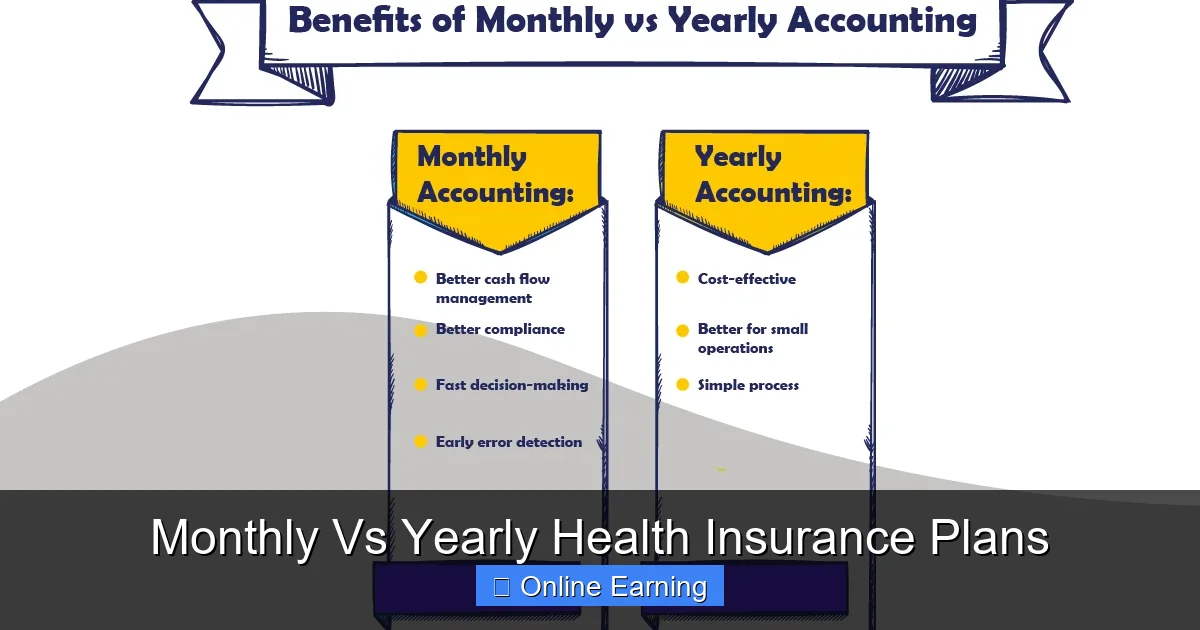
Visual guide about Monthly Vs Yearly Health Insurance Plans
Image source: noraal.com
Understanding the Basics of Health Insurance Payments
When you sign up for health insurance, one of the first decisions you’ll make is how to pay your premium. Most insurers offer two main options: monthly or yearly payments. A premium is the amount you pay to keep your insurance active—it’s not the same as your deductible or out-of-pocket costs when you receive care.
With a monthly plan, you pay a fixed amount every month, usually via automatic bank draft or credit card. This spreads the cost across 12 payments per year. With a yearly plan, you pay the entire premium in one lump sum at the beginning of your coverage period.
It’s important to note that while the payment frequency differs, the coverage itself is the same. Whether you pay monthly or yearly, your benefits, network, deductible, and out-of-pocket maximum remain unchanged. The difference is purely in how you manage the money.
How Insurance Companies Structure Premiums
Insurance companies calculate your premium based on several factors: your age, location, tobacco use, family size, and the plan level (Bronze, Silver, Gold, Platinum). Once they determine your annual premium, they can offer it in monthly installments or as a single yearly payment.
Most insurers prefer yearly payments because it reduces administrative costs. Fewer payments mean less paperwork, fewer missed payments, and lower processing fees. As a result, some insurers offer discounts for paying annually, while others may charge a small fee for monthly billing.
For example, if your annual premium is $3,600, you might pay $300 per month or $3,600 upfront. But if the insurer offers a 5% discount for yearly payments, you could save $180 by paying once a year.
Monthly Health Insurance Plans: Flexibility at a Cost

Visual guide about Monthly Vs Yearly Health Insurance Plans
Image source: yourdigilab.com
Pros of Monthly Payments
Monthly health insurance plans are popular for a reason. They offer flexibility, especially for people who prefer to manage their cash flow month by month. If you’re paid biweekly or have irregular income, spreading out your insurance payments can make budgeting easier.
Another advantage is predictability. Each month, you know exactly how much to expect on your bank statement. This helps avoid surprise bills and makes it easier to track expenses. Plus, if your financial situation changes—say, you lose your job or face an unexpected expense—you’re less likely to fall behind on a large yearly payment.
Monthly plans also give you more control over your finances. You can adjust your budget each month, and if you have extra money, you can pay more than the minimum to reduce future interest or fees (though most insurance premiums don’t accrue interest).
Cons of Monthly Payments
Despite their flexibility, monthly plans come with some downsides. First, you may pay more over time due to processing fees or lack of discounts. For example, if your insurer charges a $5 monthly fee for installment payments, that adds $60 to your annual cost.
Second, there’s a higher risk of missing a payment. With 12 payments a year, the chance of forgetting one increases. Miss one payment, and your coverage could lapse—even for a few days—which might result in denied claims or penalties.
Finally, monthly payments can make it harder to save for other goals. If you’re used to setting aside money once a year for insurance, you might forget to budget for it each month, leading to financial stress later.
Real-Life Example: The Freelancer’s Dilemma
Meet Sarah, a freelance graphic designer. Her income varies each month—sometimes she brings in $3,000, other times just $1,200. She chose a monthly health insurance plan because she didn’t have enough saved to pay $4,800 upfront. By paying $400 a month, she could manage her cash flow without draining her savings.
But after a few months, she noticed she was paying $480 a year in extra fees for the convenience of monthly billing. She also missed one payment when her project was delayed, causing a 10-day gap in coverage. During that time, she had to pay out-of-pocket for a doctor’s visit.
Sarah’s story shows how monthly plans can work—but only if you’re disciplined with payments and aware of the hidden costs.
Yearly Health Insurance Plans: Save Now, Pay Later

Visual guide about Monthly Vs Yearly Health Insurance Plans
Image source: subscriptionflow.com
Pros of Yearly Payments
Yearly health insurance plans are ideal for people who want to simplify their finances and save money. By paying the full premium at once, you often receive a discount—sometimes 5% to 10% off the total cost. This can save hundreds of dollars over the year.
For example, if your annual premium is $4,000, a 7% discount means you pay $3,720 instead of $4,000. That’s a $280 savings—money you could put toward a deductible, savings, or other expenses.
Another benefit is peace of mind. Once you’ve paid, you don’t have to worry about future payments. No more reminders, no more risk of missed deadlines. It’s one less thing to manage, especially during busy months.
Yearly plans also reduce the chance of coverage gaps. Since you only make one payment, there’s no risk of forgetting a due date. This is especially important during tax season or holiday spending when bills can get overlooked.
Cons of Yearly Payments
The biggest drawback of yearly plans is the upfront cost. For many people, $3,000 to $6,000 is a significant chunk of money to pay all at once. If you don’t have the savings, it can strain your budget or force you to take on debt.
There’s also less flexibility. If your income drops unexpectedly—say, due to illness or job loss—you might struggle to make the payment. Unlike monthly plans, there’s no built-in grace period for yearly payments in most cases.
Additionally, if you move, get a new job, or change life circumstances mid-year, you may not be able to adjust your payment plan. Some insurers don’t allow mid-year changes to payment frequency, so you’re locked into the yearly option once you choose it.
Real-Life Example: The Budget-Conscious Family
The Johnson family has four members and chose a yearly health insurance plan through their employer. Their annual premium was $12,000, but they received a 6% discount for paying upfront, bringing the total to $11,280.
“It was a big check,” says Mark Johnson, “but we saved $720. We used that money to pay down our credit card debt and build a small emergency fund.” Because they paid once, they didn’t have to worry about monthly bills. When their daughter broke her arm and needed surgery, they knew their coverage was secure—no missed payments, no stress.
The Johnsons’ experience shows how yearly plans can benefit families who plan ahead and have stable finances.
Cost Comparison: Monthly vs Yearly – Which Is Cheaper?
Breaking Down the Numbers
Let’s compare two hypothetical health insurance plans to see which payment option saves more money.
Plan A: Individual Coverage
Annual Premium: $4,200
Monthly Option: $360/month (no fee)
Yearly Option: $4,200 with 5% discount = $3,990
In this case, paying yearly saves $210.
Plan B: Family Coverage
Annual Premium: $15,000
Monthly Option: $1,250/month + $10 monthly fee = $15,600/year
Yearly Option: $15,000 with 7% discount = $13,950
Here, the yearly plan saves $1,650.
These examples show that yearly plans are often cheaper—especially when combined with discounts and avoided fees.
When Monthly Might Be Cheaper
There are rare cases where monthly payments could be better. For example, if your insurer charges high monthly fees or offers no yearly discount, the total cost might be similar or even lower with monthly payments.
Also, if you only need coverage for part of the year—say, while job hunting—you might opt for monthly payments and cancel later. However, most insurers require full-year commitments, so this isn’t always possible.
Hidden Costs to Watch For
Always read the fine print. Some insurers charge:
– Monthly administrative fees ($5–$15)
– Late payment penalties
– Reinstatement fees if coverage lapses
These can add up quickly. Before choosing a plan, ask: “What’s the total cost if I pay monthly? What’s the discount for yearly? Are there fees?”
Which Payment Option Is Right for You?
Assess Your Financial Situation
To decide between monthly and yearly plans, start by evaluating your budget. Do you have enough saved to pay the full premium upfront? Can you comfortably afford $300–$600 a month without stress?
If you’re living paycheck to paycheck or have variable income, monthly payments might be the safer choice. But if you have a steady job, a rainy-day fund, and prefer to save money, yearly payments could be a smart move.
Consider Your Lifestyle
Think about your daily habits. Do you pay bills automatically each month? Do you struggle with deadlines? If you’re forgetful or juggling multiple expenses, yearly payments reduce the risk of missing a due date.
On the other hand, if you’re good at budgeting and enjoy spreading out costs, monthly payments offer more control.
Plan for the Unexpected
Life happens. A job loss, medical emergency, or family crisis can disrupt your finances. Monthly payments give you more breathing room during tough times. If you can’t make a yearly payment, you might not have coverage—which is risky when you need it most.
But if you have a solid financial cushion, yearly payments offer stability and savings.
Ask Your Insurance Provider
Don’t assume all insurers offer both options. Call your provider and ask:
– Do you offer yearly payment plans?
– Is there a discount for upfront payment?
– Are there fees for monthly billing?
– Can I switch payment plans later if my situation changes?
Some insurers only offer one option. Others may allow changes mid-year, but with restrictions.
Tips for Choosing the Best Payment Plan
1. Calculate the Total Cost
Add up all monthly fees and compare them to the yearly discount. Use this simple formula:
Total Monthly Cost = (Monthly Premium × 12) + (Monthly Fees × 12)
If the total is higher than the discounted yearly price, choose yearly.
2. Automate Payments
Whether you choose monthly or yearly, set up automatic payments. This ensures you never miss a due date and avoids coverage lapses.
3. Build a Health Insurance Fund
If you want to pay yearly but can’t afford it now, start a savings account. Aim to save 10–15% of your income each month until you have enough.
4. Review Annually
Your financial situation changes. Review your payment plan every year during open enrollment. You might find a better deal or switch to a more affordable option.
5. Use a Budgeting App
Apps like Mint, YNAB, or EveryDollar can help you track insurance payments and alert you before due dates. This reduces stress and improves financial discipline.
6. Consider Employer Benefits
Some employers offer payroll deductions for health insurance. This can make monthly payments easier and more affordable. Ask HR about pre-tax options.
Conclusion: Make the Choice That Fits Your Life
Choosing between monthly and yearly health insurance plans isn’t about which is “better” in a vacuum. It’s about finding the option that aligns with your financial habits, income stability, and peace of mind. Monthly plans offer flexibility and cash flow control, while yearly plans can save you money and simplify your life.
The key is to look beyond the surface. Don’t just compare premiums—compare total costs, fees, and your ability to make payments on time. Ask questions. Read the fine print. And remember: your health insurance is an investment in your future. Paying attention to how you pay for it can save you time, money, and stress.
Whether you choose monthly or yearly, the most important thing is that you have coverage. Because when health issues arise, you’ll be glad you made a choice that kept you protected—without breaking the bank.
Frequently Asked Questions
Can I switch from monthly to yearly payments mid-year?
Most insurers don’t allow mid-year changes to payment frequency. However, some may offer flexibility if you contact them early. Check your policy or call customer service to explore options.
Are yearly health insurance payments tax-deductible?
Yes, health insurance premiums are often tax-deductible if you itemize deductions on your tax return. Consult a tax professional for your specific situation.
What happens if I miss a monthly payment?
Missing a payment can result in a grace period (usually 30 days), but if the payment isn’t made, your coverage may lapse. This can lead to denied claims and potential penalties.
Do all health insurers offer yearly payment options?
No, not all insurers offer yearly payment plans. Some only allow monthly payments. Always confirm payment options when shopping for a plan.
Is it better to pay monthly or yearly for health insurance?
It depends on your financial situation. Yearly payments often save money with discounts, while monthly payments offer flexibility for those with variable income or tight budgets.
Can I get a refund if I cancel my health insurance?
Refunds depend on your insurer and when you cancel. Some may prorate unused coverage, but others may keep the full premium. Read your policy terms carefully.