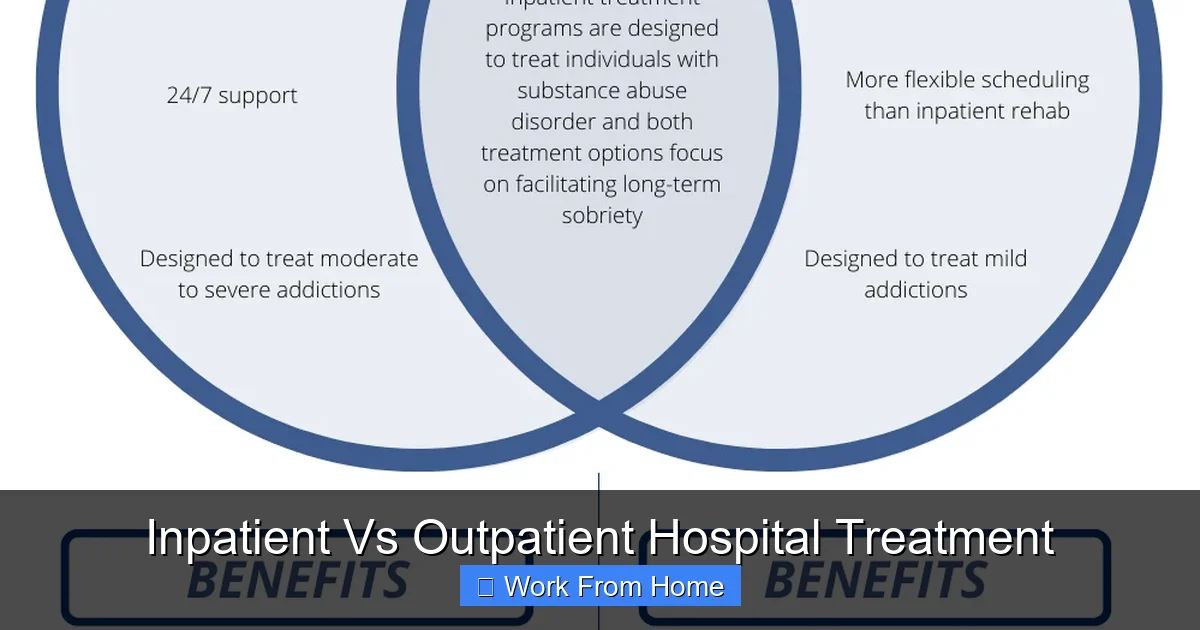
Choosing between inpatient and outpatient hospital treatment can be confusing, but understanding the differences is crucial for your health and recovery. Inpatient care offers 24/7 medical supervision for serious conditions, while outpatient care allows treatment during the day with nightly home rest. Your decision should consider the severity of your condition, required medical monitoring, and personal support system.
Key Takeaways
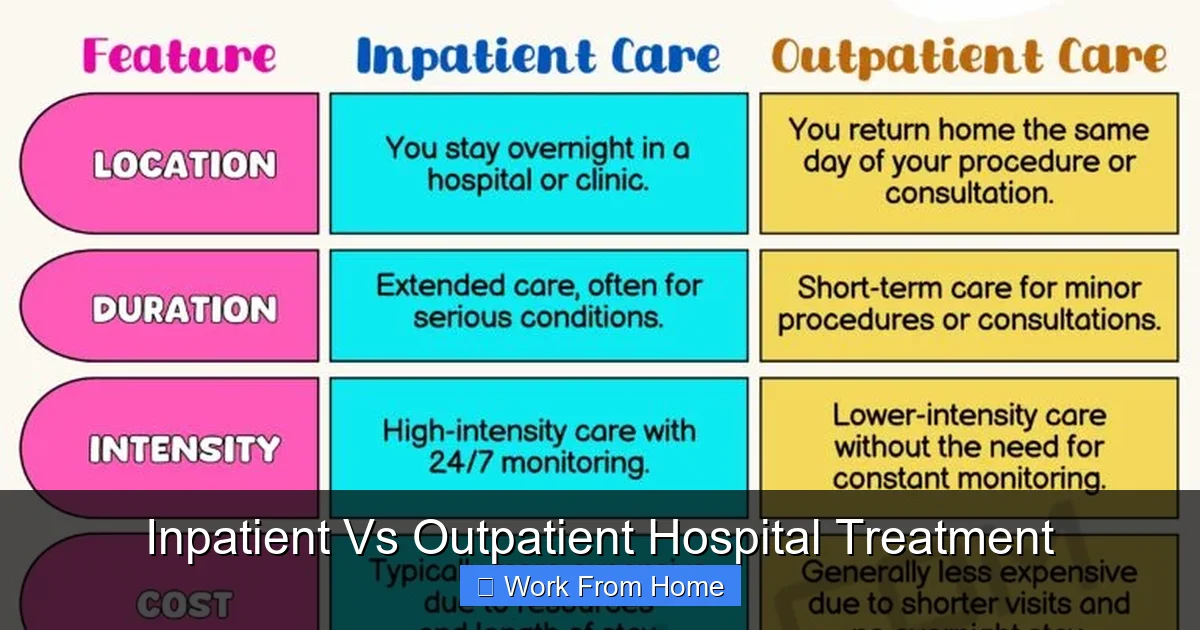
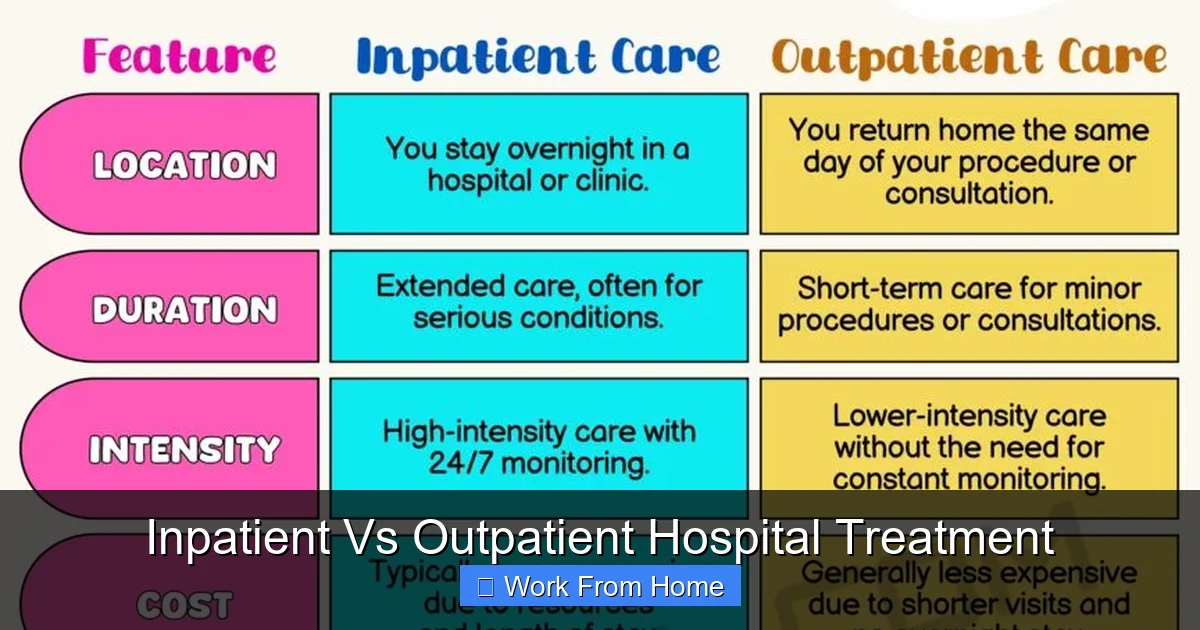
- Treatment Setting: Inpatient treatment requires overnight stays in a hospital, while outpatient treatment allows you to go home each night
- Medical Supervision: Inpatient care provides continuous monitoring by healthcare professionals, while outpatient care offers scheduled supervision during treatment hours
- Condition Severity: Severe or life-threatening conditions typically require inpatient care, while less urgent conditions can often be managed outpatient
- Recovery Environment: Inpatient facilities offer controlled environments with immediate access to emergency care, while outpatient treatment occurs in your home environment
- Cost Considerations: Outpatient treatment is generally more affordable than inpatient care due to shorter stays and lower facility costs
- Family Involvement: Outpatient treatment often allows more family participation in care and recovery, while inpatient care may limit visitation hours
- Recovery Timeline: Inpatient care typically has longer recovery periods with structured rehabilitation, while outpatient treatment offers more flexibility in scheduling and pace
📑 Table of Contents
- Inpatient Vs Outpatient Hospital Treatment: Making the Right Choice for Your Health
- Understanding the Fundamental Differences
- When to Choose Inpatient Treatment
- When Outpatient Treatment Is Appropriate
- Cost Comparison: Understanding the Financial Impact
- Recovery Environment and Support Systems
- Making the Right Decision for Your Situation
- Transitioning Between Treatment Types
- Preparing for Your Treatment Choice
- Future Trends in Healthcare Delivery
- Conclusion: Making Informed Healthcare Decisions
Inpatient Vs Outpatient Hospital Treatment: Making the Right Choice for Your Health
The healthcare landscape offers two primary treatment pathways: inpatient and outpatient care. Understanding which option suits your needs can significantly impact your recovery experience and outcomes. While both serve important roles in modern medicine, they differ substantially in terms of care intensity, setting, and personal impact.
Understanding the Fundamental Differences
Visual guide about Inpatient Vs Outpatient Hospital Treatment
Image source: 7esl.com
What Is Inpatient Treatment?
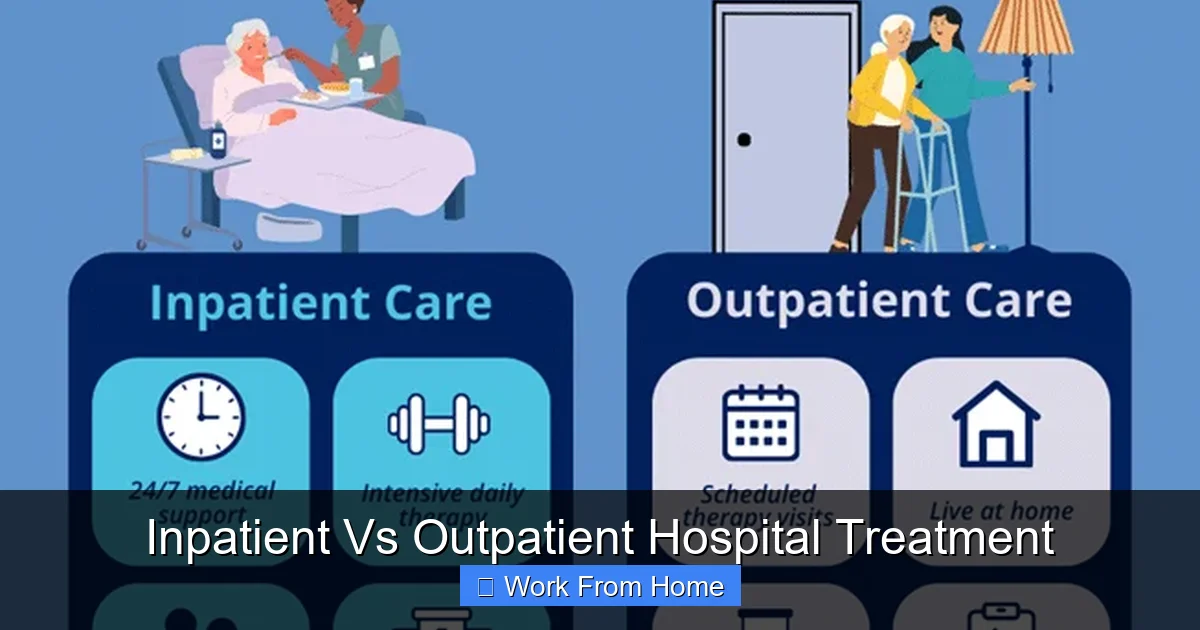
Inpatient treatment, also known as hospital admission, requires you to stay overnight or longer in a healthcare facility. This comprehensive approach is designed for patients who need intensive medical care, continuous monitoring, or those who cannot safely receive treatment at home. The hospital environment provides 24/7 access to medical professionals, emergency equipment, and specialized care teams.
What Is Outpatient Treatment?
Outpatient treatment allows you to receive medical care during the day while returning home each evening. This flexible approach is ideal for patients who need medical intervention but don’t require overnight hospitalization. Outpatient services range from routine check-ups to complex procedures, offering convenience and maintaining your normal daily activities.
When to Choose Inpatient Treatment
Visual guide about Inpatient Vs Outpatient Hospital Treatment
Image source: 7esl.com
Serious Medical Conditions
Inpatient care is essential for severe illnesses or injuries that require intensive monitoring. Conditions such as heart attacks, stroke, severe infections, or major surgeries typically necessitate hospital admission. The constant supervision ensures immediate response to any complications that may arise.
Complex Medical Procedures
Many surgical procedures and treatments require inpatient status due to the complexity of care needed. For example, organ transplants, cancer treatments involving chemotherapy or radiation, and major orthopedic surgeries often require extended hospital stays for optimal recovery.
Medication Management
Some medications require careful monitoring to ensure proper administration and track side effects. Patients with conditions like diabetes, epilepsy, or mental health disorders may need inpatient care for medication titration or stabilization.
Post-Surgical Recovery
After major surgeries, patients often need inpatient care for the initial recovery period. This allows medical teams to monitor healing, manage pain, and address any complications before transitioning to home care.
When Outpatient Treatment Is Appropriate
Visual guide about Inpatient Vs Outpatient Hospital Treatment
Image source: cantexcc.com
Routine Medical Care
Many routine medical needs can be effectively managed through outpatient care. This includes annual physicals, vaccinations, routine blood work, and minor procedures like skin biopsies or stitches removal. These treatments don’t require overnight monitoring and can be completed during the day.
Chronic Disease Management
For patients managing chronic conditions like hypertension, diabetes, or asthma, outpatient care provides regular monitoring without the need for hospitalization. Regular check-ups, medication adjustments, and lifestyle counseling can be effectively delivered in an outpatient setting.
Specialized Treatments
Many modern treatments have evolved to outpatient models. Procedures like colonoscopies, cataract surgery, and certain cancer therapies can be safely performed while allowing patients to return home the same day.
Rehabilitation Services
Outpatient rehabilitation programs offer physical therapy, occupational therapy, and speech therapy for patients recovering from injuries or surgeries. These programs typically meet several times per week but allow patients to maintain their home routines.
Cost Comparison: Understanding the Financial Impact
Hospitalization Expenses
Inpatient treatment typically involves significantly higher costs due to extended facility use, 24/7 nursing care, and specialized equipment. The average daily hospital stay can cost thousands of dollars, with total costs often reaching tens of thousands for complex procedures.
Outpatient Cost Advantages
Outpatient care generally costs less than half of inpatient treatment for similar procedures. This includes lower facility fees, reduced staffing requirements, and shorter recovery periods. Many insurance plans also offer better coverage for outpatient services.
Insurance Considerations
Understanding your insurance coverage is crucial for both treatment types. Most health plans cover both inpatient and outpatient care, but with different copays, deductibles, and coinsurance rates. Always verify coverage before proceeding with any treatment.
Recovery Environment and Support Systems
Hospital Recovery Benefits
The hospital environment provides immediate access to emergency care, specialized equipment, and professional monitoring. Patients benefit from structured routines, controlled environments, and constant medical supervision during critical recovery periods.
Home Recovery Advantages
Returning home allows patients to maintain familiar surroundings, family support, and normal daily activities. This can contribute to better mental health and faster overall recovery. However, it requires a safe home environment and reliable support system.
Family Involvement Differences
Outpatient treatment typically allows more family participation in care and recovery. Family members can be more involved in daily routines, help with medications, and provide emotional support. Inpatient care may have restricted visitation hours and limited family involvement.
Making the Right Decision for Your Situation
Assessing Your Medical Needs
Your primary consideration should be your medical condition and treatment requirements. Consult with your healthcare provider to understand the intensity of care needed and whether inpatient or outpatient options are medically appropriate.
Evaluating Your Support System
Consider your home environment and available support. Can you get to medical appointments safely? Do you have family or friends who can assist with care? A strong support system often makes outpatient treatment more viable.
Considering Lifestyle Factors
Think about how each option will impact your work, family responsibilities, and daily routine. Outpatient treatment offers more flexibility, while inpatient care requires significant lifestyle adjustments during recovery.
Financial Planning
Review your insurance coverage and estimate costs for both options. Consider not just the treatment costs but also related expenses like transportation, time off work, and home modifications.
Transitioning Between Treatment Types
Step-Down Care
Many patients start with inpatient care and transition to outpatient services as they recover. This gradual approach ensures continued medical supervision while allowing more independence and home-based recovery.
Bridge Programs
Some healthcare systems offer bridge programs that combine elements of both inpatient and outpatient care. These might include extended observation periods or intensive outpatient programs for patients who need more support than traditional outpatient care but don’t require full hospitalization.
Ongoing Management
Regardless of your initial treatment choice, ongoing outpatient care is often necessary for long-term health management. Regular check-ups, medication adjustments, and monitoring help maintain recovery progress and prevent complications.
Preparing for Your Treatment Choice
For Inpatient Care
Prepare for hospitalization by packing necessary items, arranging transportation, and informing your employer and family. Understand the hospital’s admission process and what to expect during your stay.
For Outpatient Care
Prepare for outpatient treatment by arranging transportation, scheduling time off work, and ensuring you have someone to drive you home after procedures that require sedation.
Communication with Healthcare Providers
Maintain open communication with your medical team about your treatment preferences and concerns. Ask questions about recovery expectations, potential complications, and when to seek emergency care.
Creating a Recovery Plan
Develop a comprehensive recovery plan that addresses your specific needs, whether inpatient or outpatient. This should include medication schedules, follow-up appointments, physical activity guidelines, and warning signs to watch for.
Future Trends in Healthcare Delivery
Technology Integration
Advances in telemedicine, remote monitoring, and digital health tools are blurring the lines between inpatient and outpatient care. These technologies enable more efficient monitoring and allow some treatments to move toward outpatient models.
Value-Based Care
Healthcare systems are increasingly focusing on value-based care models that emphasize cost-effectiveness and patient outcomes. This trend may influence treatment decisions and make outpatient options more accessible for appropriate cases.
Personalized Medicine
Genetic testing and personalized treatment plans are helping healthcare providers make more informed decisions about inpatient versus outpatient care based on individual patient profiles and risk factors.
Conclusion: Making Informed Healthcare Decisions
Choosing between inpatient and outpatient hospital treatment requires careful consideration of your medical needs, personal circumstances, and long-term health goals. Both options offer valuable benefits, and the right choice depends on your specific situation. By understanding the differences and working closely with your healthcare team, you can make an informed decision that supports your recovery and overall well-being.
Remember that healthcare needs can change, and your treatment plan may evolve over time. Stay flexible and maintain open communication with your medical team throughout your care journey.
Frequently Asked Questions
What’s the main difference between inpatient and outpatient treatment?
Inpatient treatment requires overnight stays in a hospital for intensive care and monitoring, while outpatient treatment allows you to receive care during the day and return home each evening. The key difference is the need for continuous medical supervision versus scheduled treatment sessions.
How do I know if I need inpatient or outpatient care?
Your healthcare provider will recommend the appropriate level of care based on your medical condition’s severity, required monitoring, and treatment complexity. Consider factors like your overall health, treatment intensity, and ability to recover safely at home.
Are outpatient treatments covered by insurance?
Most health insurance plans cover both inpatient and outpatient treatments, though coverage levels and costs may differ. Always verify your insurance benefits and understand copays, deductibles, and coinsurance rates before proceeding with treatment.
Can I switch from inpatient to outpatient treatment?
Yes, many patients transition from inpatient to outpatient care as they recover. This step-down approach allows continued medical supervision while increasing independence. Your healthcare team will determine when and how to make this transition safely.
What should I pack for inpatient treatment?
Essential items include comfortable clothing, personal hygiene products, medications, insurance information, and any necessary documents. Check with your hospital for specific packing guidelines and restrictions on personal items.
How do I prepare for outpatient procedures?
Prepare by arranging transportation, scheduling time off work, informing your employer and family, and following any pre-procedure instructions like fasting requirements. Have someone available to drive you home after sedation procedures.