Medical insurance is more than just a safety net—it’s a smart investment in your health and financial future. It covers doctor visits, hospital stays, prescriptions, and preventive care, helping you avoid surprise medical bills. Understanding your policy’s benefits ensures you get the most value and peace of mind.
Key Takeaways
- Preventive Care Coverage: Most plans cover annual check-ups, vaccinations, and screenings at no extra cost, helping you catch health issues early.
- Emergency and Hospital Benefits: Insurance helps pay for emergency room visits, surgeries, and inpatient care, reducing out-of-pocket expenses significantly.
- Prescription Drug Coverage: Many plans include pharmacy benefits that lower the cost of medications, especially for chronic conditions.
- Mental Health and Behavioral Services: Modern insurance includes therapy, counseling, and addiction treatment, supporting overall well-being.
- Pre-Existing Condition Protection: Under the Affordable Care Act, insurers can’t deny coverage or charge more based on prior health issues.
- Network and Provider Access: Staying within your insurance network saves money—check if your doctor is in-network before scheduling.
- Out-of-Pocket Maximums: Once you hit your annual limit, your plan pays 100% of covered services, protecting you from high medical bills.
📑 Table of Contents
Medical Insurance Benefits You Should Know
Let’s be real—no one plans to get sick or injured. But life happens, and when it does, medical bills can feel overwhelming. That’s where medical insurance comes in. It’s not just a piece of paper you get when you enroll in a job; it’s a powerful tool that protects your health and wallet. Whether you’re dealing with a sudden fever, a routine check-up, or managing a chronic condition, knowing what your insurance covers can make all the difference.
Medical insurance is more than just paying for doctor visits. It’s a safety net that catches you when health issues arise. From preventive care to emergency surgeries, insurance helps you access the care you need without draining your savings. In this article, we’ll walk you through the key benefits of medical insurance, explain how they work, and give you practical tips to make the most of your coverage. Think of this as your friendly guide to navigating the world of health benefits—no jargon, just clear, useful info.
What Is Medical Insurance?
At its core, medical insurance is a contract between you and an insurance company. In exchange for monthly premiums, the insurer agrees to cover a portion of your medical expenses. This includes doctor visits, hospital stays, lab tests, prescriptions, and more. The idea is to share the financial risk of healthcare so no single person has to pay the full cost alone.

Visual guide about Medical Insurance Benefits You Should Know
Image source: ecellulitis.com
How Does It Work?
When you visit a healthcare provider, they submit a claim to your insurance company. The insurer reviews the claim and pays a portion based on your plan’s rules. You pay the rest—this is called your out-of-pocket cost, which may include copays, coinsurance, or deductibles. Some plans cover 100% of certain services, like annual physicals, while others have higher out-of-pocket costs for specialists or hospital care.
For example, imagine you go to the doctor with a sore throat. Your plan has a $20 copay for office visits. You pay $20, and your insurance covers the rest. If you need a strep test, it might be fully covered under preventive care. But if you need a CT scan, you might have to meet your deductible first.
Types of Medical Insurance Plans
There are several types of medical insurance plans, each with different cost-sharing rules. The most common include:
- Health Maintenance Organization (HMO): Requires you to choose a primary care doctor and get referrals to see specialists. Usually lower premiums but less flexibility.
- Preferred Provider Organization (PPO): Offers more freedom to see any doctor without referrals. Higher premiums but more flexibility in choosing providers.
- Exclusive Provider Organization (EPO): Similar to PPOs but only covers care within the network unless it’s an emergency.
- Point of Service (POS): A mix of HMO and PPO—requires a primary care doctor but allows out-of-network care at higher costs.
Your choice depends on your healthcare needs, budget, and whether you want flexibility or lower monthly payments.
Top Medical Insurance Benefits You Should Know
Now that you understand the basics, let’s dive into the specific benefits that make medical insurance so valuable. These are the features that can save you thousands of dollars and keep you healthy.

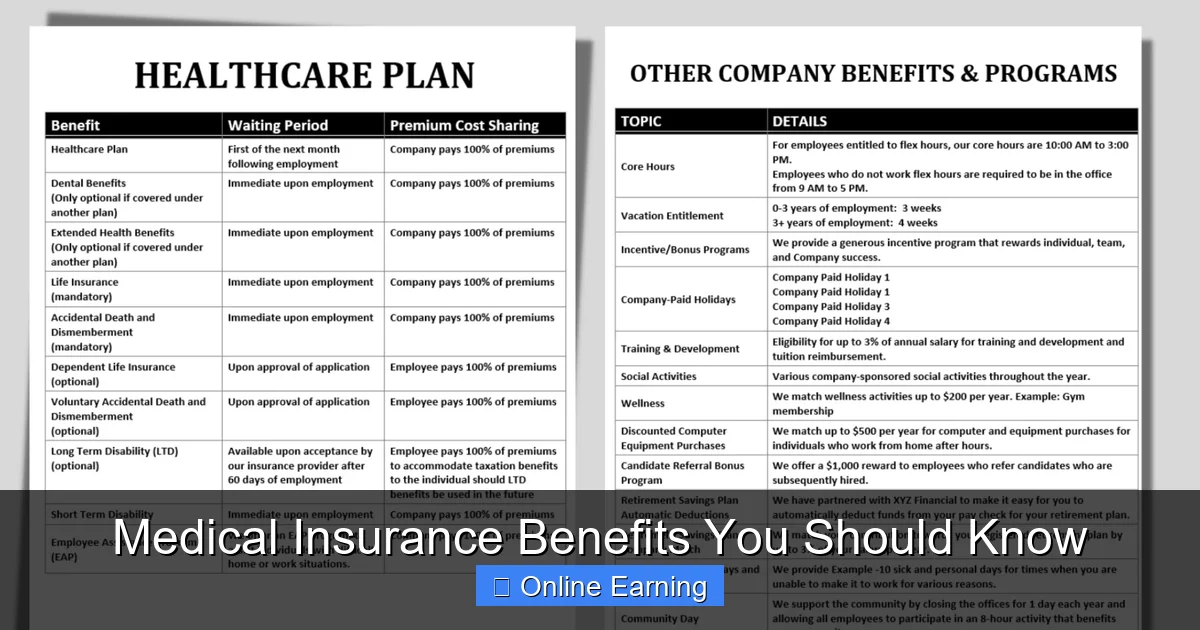
Visual guide about Medical Insurance Benefits You Should Know
Image source: foundersguide.com
1. Preventive Care Coverage
One of the best things about modern medical insurance is that it covers preventive care at no cost to you. This includes annual check-ups, flu shots, mammograms, blood pressure screenings, and more. The goal? Catch health problems early or prevent them altogether.
Under the Affordable Care Act (ACA), all marketplace and employer-sponsored plans must cover preventive services without charging a copay, coinsurance, or deductible—even if you haven’t met your deductible yet. That means you can get a colonoscopy, diabetes screening, or cholesterol test without worrying about the bill.
Tip: Always ask your doctor if a test or service is considered preventive. Some services, like certain imaging tests, may not be fully covered unless medically necessary.
2. Emergency and Hospital Benefits
Accidents and sudden illnesses don’t wait for a convenient time. When you need emergency care—like a broken bone, heart attack, or severe allergic reaction—hospital bills can be astronomical. Medical insurance helps cover these high-cost services.
Most plans include emergency room coverage, ambulance services, and inpatient hospital stays. You might pay a copay for the ER visit, but once you’re admitted, your insurance typically covers a large portion of the cost. Some plans also cover follow-up care after discharge, like physical therapy or rehab.
Example: You slip on ice and break your arm. You go to the ER, get X-rays, surgery, and a hospital stay. Without insurance, this could cost $20,000 or more. With insurance, you might pay $500 out of pocket, and the rest is covered.
3. Prescription Drug Coverage
Medications are a big part of managing health—whether it’s antibiotics for an infection or daily pills for high blood pressure or diabetes. Many insurance plans include prescription drug coverage, often through a pharmacy benefit manager (PBM).
Your plan will have a formulary—a list of covered medications—organized into tiers. Tier 1 drugs (like generics) are the cheapest, while Tier 4 or 5 (brand-name or specialty drugs) cost more. You’ll pay different amounts depending on the tier.
Tip: Ask your doctor about generic alternatives. They’re often just as effective and can save you hundreds or thousands of dollars a year.
4. Mental Health and Behavioral Services
Mental health is just as important as physical health, and insurance increasingly covers both. Most plans now include mental health benefits, such as therapy, counseling, and treatment for substance use disorders.
This includes services like:
- Individual and group therapy
- Psychiatric evaluations and medication management
- Crisis intervention and emergency mental health care
- Substance abuse treatment (inpatient and outpatient)
The ACA requires parity, meaning mental health benefits must be on par with medical and surgical benefits. So if your plan covers 80% of a physical procedure, it should cover 80% of therapy visits too.
5. Maternity and Family Planning Services
If you’re planning to have a baby or are already pregnant, your insurance can help cover prenatal care, delivery, and postnatal care. Most ACA-compliant plans must cover maternity services as an essential health benefit.
This includes:
- Preconception and prenatal visits
- Labor and delivery
- Newborn care
- Breastfeeding support and equipment
- Family planning services (like birth control and sterilization)
Note: Some plans may have waiting periods before maternity benefits kick in, so check your policy details.
6. Chronic Disease Management
Conditions like diabetes, heart disease, asthma, and arthritis require ongoing care. Insurance helps cover the tests, medications, doctor visits, and devices you need to manage these conditions.
For example:
- Diabetes: Insulin, glucose monitors, and regular A1C tests
- Heart disease: Blood pressure meds, cholesterol tests, and cardiac rehab
- Asthma: Inhalers, peak flow meters, and allergy testing
Some plans even offer disease management programs that provide coaching, educational materials, and support to help you stay healthy.
How to Maximize Your Medical Insurance Benefits
Knowing the benefits is one thing—using them wisely is another. Here’s how to get the most out of your medical insurance.
Visual guide about Medical Insurance Benefits You Should Know
Image source: s3.amazonaws.com
1. Understand Your Plan’s Details
Every plan is different. Take time to read your Summary of Benefits and Coverage (SBC) and Explanation of Benefits (EOB) statements. These documents explain what’s covered, what your costs are, and how to file claims.
Pay attention to:
- Your deductible (the amount you pay before insurance starts)
- Your out-of-pocket maximum (the most you’ll pay in a year)
- Copays and coinsurance rates
- Network providers (in-network vs. out-of-network)
2. Use In-Network Providers
Staying within your insurance network saves you money. Out-of-network care is often much more expensive—even for the same service. Before scheduling an appointment, check if your doctor or hospital is in-network.
Tip: Most insurance websites have a provider directory. You can search by name, specialty, or location.
3. Schedule Preventive Care Early
Take advantage of free preventive services. Schedule your annual physical, flu shot, and cancer screenings early in the year. This can help you catch issues early and avoid more expensive treatments later.
4. Ask About Generic and Mail-Order Options
For maintenance medications, mail-order pharmacies often offer lower prices than retail pharmacies. And generics are usually cheaper than brand-name drugs. Ask your doctor or pharmacist about these options.
5. Keep Records and Track Costs
Save receipts, EOBs, and medical bills. This helps you understand what you’ve paid and can assist with tax deductions (like medical expenses over 7.5% of your income). It’s also useful if you need to dispute a charge.
6. Use Your Health Savings Account (HSA) or Flexible Spending Account (FSA)
If you have an HSA or FSA, use it to pay for eligible medical expenses. Contributions are tax-free, and HSAs can be invested for long-term growth. Common uses include copays, prescriptions, and dental care.
Common Mistakes People Make with Medical Insurance
Even with the best intentions, people often make mistakes that cost them money or leave them unprotected. Here are some common pitfalls to avoid.
1. Waiting Until You’re Sick to Enroll
Health insurance is meant to protect you before you get sick. If you wait until you’re already unwell, you might face waiting periods, exclusions, or even denial of coverage. Enroll during open enrollment or a special enrollment period after a life event (like getting married or losing job-based coverage).
2. Ignoring Network Restrictions
Going out-of-network for non-emergency care can cost hundreds or thousands of dollars. Always check if a provider is in-network before scheduling.
3. Not Using Preventive Care
Skipping annual check-ups or screenings might seem like a way to save money, but it can lead to undiagnosed conditions that become much more expensive to treat later.
4. Not Reviewing Your Plan Annually
Your healthcare needs change. A plan that worked last year might not work this year. Review your coverage every fall during open enrollment to make sure it still fits your needs.
5. Not Asking About Coverage
Doctors and hospitals may not always tell you what’s covered. If you’re unsure, call your insurance company or check your plan’s website. It’s your right to know.
How to Choose the Right Medical Insurance Plan
With so many options, choosing the right plan can feel overwhelming. Here’s a step-by-step guide to help you decide.
1. Assess Your Health Needs
Consider how often you visit the doctor, any chronic conditions, and your family’s health history. If you have ongoing health issues, a plan with lower out-of-pocket costs might be worth the higher premium.
2. Compare Costs
Look at:
- Monthly premiums
- Deductibles
- Copays and coinsurance
- Out-of-pocket maximum
A cheaper premium might mean higher out-of-pocket costs. Calculate your total expected expenses to find the best value.
3. Check Provider Networks
Make sure your doctor, hospital, and specialists are in-network. If you travel often, consider a plan with a broad national network.
4. Review Prescription Coverage
Check if your medications are on the formulary and at what tier. If you take expensive drugs, a plan with better pharmacy benefits might save you money.
5. Consider Additional Benefits
Some plans offer extras like telehealth, fitness programs, or mental health apps. These can add value, especially if you’re looking for convenience or wellness support.
Conclusion: Your Health, Your Choice
Medical insurance isn’t just a financial tool—it’s a lifeline. It gives you access to care when you need it, protects you from financial ruin, and supports your long-term health. By understanding the benefits and using them wisely, you can stay healthy, save money, and feel confident about your healthcare decisions.
Remember, the best plan is the one that fits your life. Take time to review your options, ask questions, and make informed choices. And don’t forget to use your benefits—preventive care, mental health services, and prescription coverage are all there for a reason.
Your health is your most valuable asset. Invest in it wisely with the right medical insurance plan.
Frequently Asked Questions
What is the difference between a deductible and out-of-pocket maximum?
A deductible is the amount you pay for covered services before your insurance starts to pay. The out-of-pocket maximum is the most you’ll pay in a year, including deductibles, copays, and coinsurance. Once you hit this limit, your plan covers 100% of covered services.
Can I change my medical insurance plan outside of open enrollment?
Yes, but only during a special enrollment period, which is triggered by life events like getting married, having a baby, losing job-based coverage, or moving to a new state. You generally have 60 days to make changes.
Does medical insurance cover mental health services?
Yes, most ACA-compliant plans must cover mental health and substance use disorder services at the same level as medical and surgical benefits. This includes therapy, counseling, and medication management.
What should I do if my insurance denies a claim?
First, review your Explanation of Benefits (EOB) to understand why. You can file an appeal with your insurance company. If denied again, you can contact your state’s insurance department for help.
Is dental and vision care included in medical insurance?
Basic dental and vision are not required under the ACA, so they’re often sold as separate plans or added as optional benefits. Some employer plans include them, so check your policy.
How do I find in-network doctors?
Visit your insurance company’s website and use their provider directory. You can search by name, specialty, location, or hospital. Always double-check before scheduling an appointment.