Medical insurance is a non-negotiable part of the visa application process for many countries. Without it, your visa may be denied, delayed, or rejected outright. It ensures you can access healthcare if needed and protects both you and the government from unexpected medical expenses.
Key Takeaways
- Visa Requirements Vary by Country: Some countries, like the U.S. and Schengen Zone nations, require proof of medical insurance as part of their visa application process.
- Protects Against High Medical Costs: Healthcare abroad can be extremely expensive. Insurance covers emergency treatments, hospital stays, and sometimes even repatriation.
- Compliance with Immigration Laws: Applying without insurance may be seen as a financial risk, leading to visa rejection or deportation if you overstay or require medical care.
- Types of Coverage Accepted: Most visas accept international student insurance, travel medical insurance, or comprehensive health plans issued by recognized providers.
- Insurance Must Meet Minimum Standards: Coverage limits, duration, and scope must meet the host country’s requirements—check these before applying.
- Can Save You Money and Stress: Having insurance avoids out-of-pocket costs and ensures you get timely medical attention without legal complications.
📑 Table of Contents
- Why Medical Insurance Is Required for Visa Approval
- What Is Medical Insurance and Why Does It Matter?
- How Medical Insurance Affects Your Visa Application
- Country-Specific Requirements You Should Know
- Practical Tips for Getting the Right Insurance
- What Happens If You Don’t Have Insurance?
- How Insurance Protects Both You and the Host Country
- Real-Life Examples of Insurance Impact
- Conclusion: Don’t Risk It—Get Covered
Why Medical Insurance Is Required for Visa Approval
Imagine you’ve spent months preparing for your dream study abroad program, landing a job in another country, or planning a long-term work assignment. You’ve packed your bags, booked your flight, and even researched local cuisine. But one small detail—medical insurance—could derail your entire journey. That’s right: in many countries around the world, having valid medical insurance isn’t just a nice-to-have—it’s a mandatory requirement for visa approval.
You might wonder: why would a country care if I have health coverage? After all, I’m just one person. The truth is, governments want to protect both their citizens and their healthcare systems. Allowing someone to enter without insurance could mean they end up needing emergency care, then refusing to pay—or worse, becoming a burden on public resources. That’s why medical insurance is woven into the visa process. It’s not about distrust; it’s about responsibility, planning, and mutual protection.
In this article, we’ll break down exactly why medical insurance is so important, how it works in real visa scenarios, and what you need to know to avoid common pitfalls. Whether you’re applying for a student visa, work permit, or tourist visa, understanding this requirement can save you time, money, and heartache. Let’s dive in.
What Is Medical Insurance and Why Does It Matter?
At its core, medical insurance is a financial safety net that covers the cost of healthcare services. When you travel or move abroad, you’re stepping into a system that may be very different from your home country’s. Doctors, hospitals, and insurance networks might not recognize your coverage. That’s why most countries require you to bring your own insurance—or purchase one that meets their standards.
Visual guide about Why Medical Insurance Is Required for Visa Approval
Image source: universalmedicalinc.com
The Global Standard for Visa Compliance
Many nations follow international guidelines set by organizations like the World Health Organization (WHO) and the International Civil Aviation Organization (ICAO). These guidelines recommend that travelers have health coverage to prevent the spread of disease and reduce the risk of medical tourism abuse. Countries like Australia, Canada, the UK, the U.S., and members of the Schengen Area all have strict insurance requirements.
For example, if you’re applying for a U.S. student visa (F-1), you must show proof of health insurance that covers at least $100,000 per year and includes emergency medical evacuation and repatriation. Without it, your Form I-20 (the certificate of eligibility) may not be issued, and your visa application will be denied.
Types of Insurance Accepted
Not all insurance policies are created equal. When applying for a visa, you’ll need a policy that meets the following criteria:
- International Coverage: Must be valid in the country you’re visiting or living in.
- Minimum Coverage Amount: Varies by country—ranging from $30,000 to over $1 million for certain visas.
- Duration Matching Visa Validity: Coverage must last the entire length of your stay.
- Emergency Services Included: Hospitalization, surgeries, and urgent care should be covered.
- Evacuation and Repatriation: Critical for long-term or remote assignments.
Common types of insurance accepted include:
- International Student Health Insurance: Tailored for students abroad, often bundled with school fees.
- Travel Medical Insurance: Short-term coverage for tourists or temporary workers.
- Comprehensive Health Plans: Long-term plans for expatriates or permanent residents.
How Medical Insurance Affects Your Visa Application
Let’s say you’re applying for a visa to work in Germany. The German government requires foreign workers to have health insurance that covers at least €30,000 in medical expenses. If you submit your application without proof of coverage, your visa will likely be rejected. This isn’t just a formality—it’s a legal requirement under the EU’s General Data Protection Regulation (GDPR) and national immigration laws.
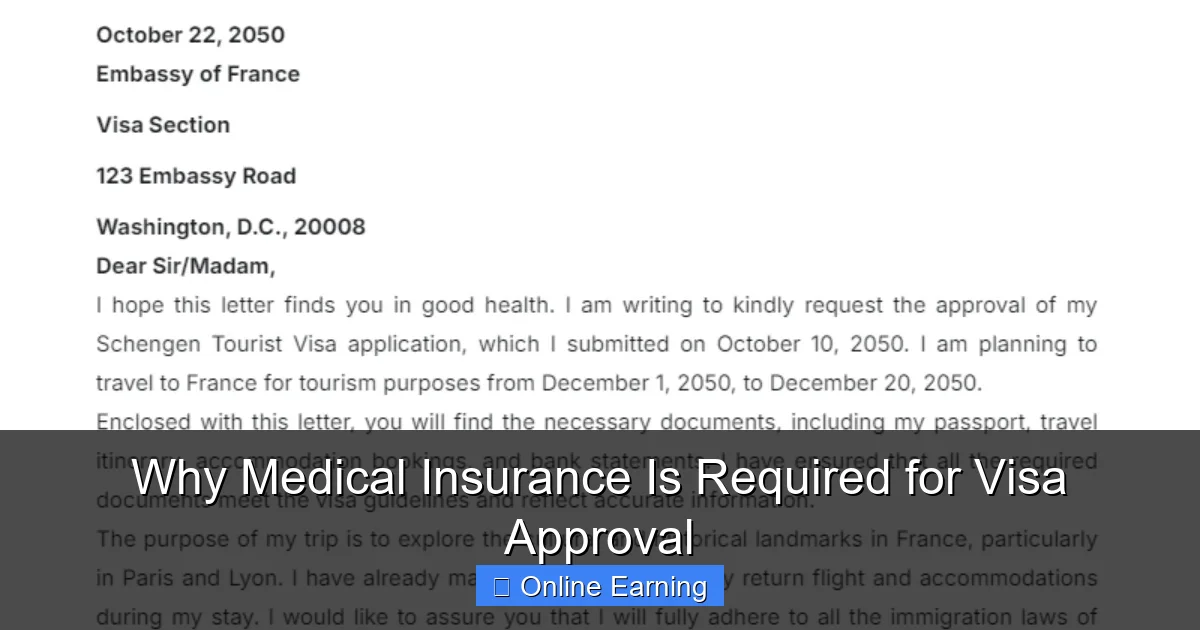
Visual guide about Why Medical Insurance Is Required for Visa Approval
Image source: images.template.net
Visa Rejection Due to Lack of Insurance
In 2022, over 12% of visa applications to the Schengen Zone were rejected due to incomplete documentation, with health insurance being a top reason. Applicants often assume that their home-country insurance will suffice, but most domestic plans don’t cover international care. For instance, a U.S. citizen with Medicare might think they’re covered in Spain—but Medicare doesn’t work abroad. Without supplemental travel insurance or international coverage, they’re left vulnerable.
The Role of Insurance in Immigration Risk Assessment
Immigration officers assess visa applicants based on several factors: financial stability, intent to return home, and potential public health risk. Having medical insurance reduces the risk profile. It shows you’re responsible, prepared, and unlikely to become a financial drain on the host country.
For example, Canada’s Immigration and Refugee Protection Act (IRPA) states that applicants must be “in good health” and not pose a public health risk. While this is subjective, having insurance strengthens your case. It proves you’ve taken steps to protect yourself and others.
Country-Specific Requirements You Should Know
Medical insurance requirements vary widely. Here’s a quick overview of what to expect in some popular destinations:
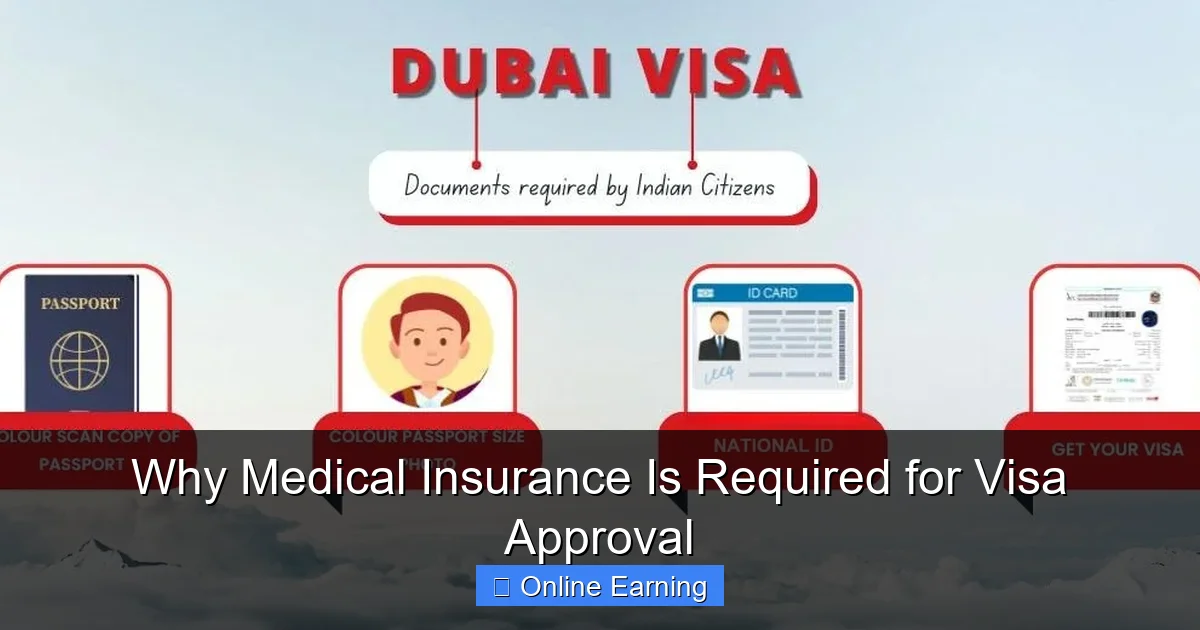
Visual guide about Why Medical Insurance Is Required for Visa Approval
Image source: onlinedubaivisa.com
United States (F-1, J-1, and M-1 Visas)
U.S. visa applicants must show proof of health insurance for student and exchange visitor visas. The minimum coverage is $100,000 per year, and it must include emergency medical evacuation and repatriation. Most universities require students to purchase their own insurance or enroll in a school-sponsored plan.
Schengen Zone (Europe)
All Schengen countries require travelers to have at least €30,000 in medical coverage. The insurance must be valid across all 27 member countries and cover the entire duration of your stay. Travel insurance policies like those from Allianz or World Nomads are commonly accepted.
Canada (Study and Work Permits)
Canada requires proof of health insurance for most temporary residents. For students, many provinces offer public health coverage after a waiting period, but it’s safer to have private insurance from day one. Work permit holders should check if their employer provides coverage or if they need to purchase it.
Australia (Student and Work Visas)
Australia mandates Overseas Student Health Cover (OSHC) for international students. This covers basic medical and hospital treatment, but not dental or optical. For work visas, private health insurance is recommended but not always required—unless you’re staying long-term.
United Kingdom (Student and Work Visas)
U.K. visa applicants must show they can access healthcare. While the NHS provides free treatment for visa holders, it’s often better to have private insurance to avoid waiting lists and access faster care. The minimum coverage is typically £100,000.
Japan (Student and Work Visas)
Japan requires health insurance for long-term stays. International students must enroll in the national health insurance system, which costs around ¥20,000 per month. Private insurance can supplement this but must meet government standards.
Practical Tips for Getting the Right Insurance
Choosing the right medical insurance can feel overwhelming. With so many options, how do you pick? Here are some practical tips to guide you:
Check the Minimum Coverage Required
Always start by verifying the minimum coverage amount for your visa type. Don’t assume “more is better”—just make sure it meets or exceeds the requirement. For example, if your visa requires $50,000, a $25,000 plan won’t cut it.
Verify International Validity
Make sure the policy is valid in the country you’re visiting. Some insurers only cover domestic care, or they exclude certain regions. Read the fine print—especially clauses about emergency care abroad.
Confirm Coverage for Emergencies
Look for plans that include:
- Emergency hospitalization
- Surgical procedures
- Prescription drugs
- Evacuation and repatriation
- Mental health services
Choose a Reputable Provider
Stick with well-known insurers like:
- Allianz Global Assistance
- World Nomads
- IMMIHEALTH (for students)
- Cigna Global
- AXA Travel Insurance
These companies offer transparent policies and 24/7 customer support, which is crucial in emergencies.
Apply Early
Don’t wait until the last minute. Some insurance plans take 24–48 hours to activate. Apply at least 2–3 weeks before your visa interview or travel date.
Keep Digital and Physical Copies
Submit both digital and printed copies of your insurance policy when applying for your visa. Keep a copy in your phone and wallet in case you need to show it at immigration or a hospital.
What Happens If You Don’t Have Insurance?
Skipping insurance might seem like a way to save money—but the consequences can be severe. Here’s what could happen:
Visa Denial
The most immediate risk is visa rejection. Immigration officers won’t issue a visa without proof of coverage. Even if you’re approved, you might be denied entry at the border.
Deportation
If you’re already in a country and require emergency care, but can’t pay, authorities may deport you. Many countries have laws allowing removal of individuals who become public charges.
Financial Ruin
A single emergency room visit in the U.S. can cost $2,000–$5,000. A broken bone or appendicitis could leave you with a $50,000 bill. Without insurance, that debt could take years to repay—and damage your credit.
Legal and Ethical Issues
Refusing treatment due to cost can lead to legal trouble, especially if your condition worsens. In some countries, knowingly seeking care without insurance can be considered fraud.
How Insurance Protects Both You and the Host Country
Medical insurance isn’t just about protecting yourself—it’s about protecting the community. When you have coverage, you’re less likely to delay treatment, spread illness, or rely on public resources.
Preventing Overburdened Healthcare Systems
Imagine hundreds of uninsured travelers arriving in a small town. If they all get sick at once and need expensive care, the local hospital could be overwhelmed. Insurance spreads the financial risk across policyholders, keeping systems sustainable.
Encouraging Responsible Travel
Insurance promotes responsible behavior. You’re more likely to seek care promptly, follow treatment plans, and avoid risky activities when you know you’re covered.
Building Trust with Immigration Authorities
Showing proof of insurance builds trust. It signals that you’re serious about following rules and taking responsibility for your well-being. This can improve your chances of visa approval and long-term residency.
Real-Life Examples of Insurance Impact
Let’s look at two real-world scenarios to see how insurance made the difference.
Case Study 1: Maria’s Student Visa to the U.S.
Maria, a Brazilian student, applied for a U.S. student visa. She had a full-time job offer and excellent academic records, but her visa was denied because she couldn’t provide proof of health insurance. She didn’t realize that U.S. universities require international students to have coverage. After purchasing a $100,000 policy through her school, she reapplied and was approved.
Case Study 2: John’s Work Visa in Germany
John, a software engineer from India, secured a job in Berlin. His employer said health insurance wasn’t required—but it was. When he arrived, he was denied entry because he had only basic travel insurance, not the €30,000 minimum required by German law. He had to fly home, reapply with proper coverage, and wait three months before returning.
Both cases could have been avoided with better research. Insurance isn’t just paperwork—it’s a lifeline.
Conclusion: Don’t Risk It—Get Covered
Medical insurance is more than a box to check on your visa application. It’s a smart, responsible decision that protects your health, finances, and future. Whether you’re studying, working, or traveling, having the right coverage ensures you can focus on your goals—not worry about what if.
Take the time to research, compare policies, and choose a plan that meets your needs and visa requirements. Yes, it costs money—but compared to the cost of an emergency room visit, deportation, or visa denial, it’s a bargain. And peace of mind? Priceless.
Remember: when it comes to visas, preparation is key. And when it comes to health, prevention is better than cure. Get your insurance, get your visa, and get ready to make the most of your international experience.
Frequently Asked Questions
Do all countries require medical insurance for visas?
No, not all countries require medical insurance, but many do—especially for long-term stays, student visas, or work permits. Countries like the U.S., Canada, the UK, and Schengen nations have strict requirements. Always check the specific rules for your destination.
Can I use my home-country insurance for a visa?
In most cases, no. Home-country insurance plans (like Medicare or private domestic plans) don’t cover care abroad. You’ll need an international policy that’s valid in the country you’re visiting and meets minimum coverage standards.
How much does international medical insurance cost?
Costs vary based on coverage, duration, and age. For short trips, travel insurance might cost $50–$150. For long-term stays (e.g., a year), comprehensive plans can range from $500 to $2,000+. Students often get discounts through school-sponsored plans.
What if I already have a visa but lose my insurance?
This depends on the country. In some cases, you may be allowed to renew your insurance. In others, you could face penalties, deportation, or denial of residency. Always maintain valid coverage for the entire duration of your stay.
Is travel insurance enough for a work visa?
Travel insurance is usually only for short trips. For work visas, you often need comprehensive health coverage that includes long-term care, emergency evacuation, and possibly dental and vision. Check with your employer or immigration office.
Can I buy insurance after getting my visa?
It’s risky. Some countries allow it, but others require proof of insurance before entry. Even if allowed, you might face delays or denial at the border. Always apply for insurance before your visa interview or travel date.