Technology is reshaping healthcare faster than ever before. From virtual doctor visits to AI-powered diagnostics, innovation is making care more accessible, efficient, and personalized. For passive income seekers, digital health offers exciting opportunities in app development, data analysis, and online education.
Key Takeaways
- Telemedicine has exploded in popularity: Remote consultations now account for over 40% of routine check-ups in many countries, saving time and reducing costs.
- AI improves diagnostic accuracy: Machine learning algorithms can detect diseases like cancer and diabetic retinopathy with accuracy rates matching or exceeding human specialists.
- Wearable health tech monitors vital signs: Devices like smartwatches track heart rate, sleep, and activity, enabling early intervention and continuous health monitoring.
- Electronic health records (EHRs) streamline data: Digital records reduce errors, improve coordination, and make patient history instantly accessible to authorized providers.
- Passive income opportunities exist in digital health: From creating health apps to offering online courses, tech-driven healthcare opens doors for remote, scalable income streams.
- Cybersecurity is critical: With more data being digital, protecting patient privacy through encryption and secure platforms is non-negotiable.
- Remote patient monitoring reduces hospital visits: Chronic disease management is more effective when patients are monitored at home, cutting readmission rates.
📑 Table of Contents
- The Role of Technology in Modern Healthcare
- How Technology Is Changing the Healthcare Landscape
- Artificial Intelligence: The New Medical Assistant
- Wearable Devices: Your Health on Your Wrist
- Blockchain and Cybersecurity: Protecting Patient Data
- The Future of Healthcare Technology
- Passive Income Opportunities in Digital Health
- Challenges and Ethical Considerations
- How to Get Started in Digital Health
- Conclusion
The Role of Technology in Modern Healthcare
In the last decade, healthcare has undergone a quiet revolution. What once required a trip to the doctor’s office, a stack of paper records, and a wait for test results is now possible from your living room, smartphone, or smartwatch. Technology isn’t just supporting healthcare—it’s transforming it. From artificial intelligence diagnosing diseases faster than humans to wearable devices catching health issues before they become emergencies, innovation is making care more precise, personal, and powerful.
But it’s not just about better care. For many, especially those interested in passive income, the rise of digital health opens up new ways to earn—without being on the front lines of patient care. Whether you’re a developer, educator, or data analyst, the tech-driven healthcare boom offers opportunities to create value remotely and on your own schedule. In this article, we’ll explore how technology is changing healthcare, the benefits it brings, and how you can tap into this growing field—even from home.
How Technology Is Changing the Healthcare Landscape
Healthcare used to be a slow, paper-heavy industry. Appointments were scheduled weeks in advance. Lab results took days or weeks. Medical records were stored in filing cabinets. Today, that’s all changing—thanks to technology. The integration of digital tools into healthcare delivery has made services faster, smarter, and more accessible.

Visual guide about The Role of Technology in Modern Healthcare
Image source: medisigndisplays.com
From Paper to Pixels: The Digital Transformation
One of the biggest shifts has been the move from paper-based systems to electronic health records (EHRs). EHRs allow doctors to access a patient’s complete medical history instantly—lab results, prescriptions, allergies, and past surgeries—all in one digital file. This not only saves time but reduces the risk of errors. For example, if a patient sees a specialist, the specialist can pull up their records in real time, avoiding duplicate tests or conflicting treatments.
But EHRs are just the beginning. Today, hospitals and clinics use predictive analytics to anticipate patient needs. For instance, algorithms can flag patients at high risk of readmission, allowing care teams to intervene early. This proactive approach saves lives and reduces costs—something that benefits both patients and healthcare systems.
Telemedicine: Care at Your Fingertips
When the pandemic hit, telemedicine became the norm. Suddenly, millions of people had their first virtual doctor visit. But it wasn’t just a crisis response—it was a preview of the future. Today, telemedicine is a permanent part of healthcare delivery. From mental health counseling to dermatology consultations, patients can connect with providers from home.
For passive income seekers, telemedicine platforms offer opportunities. You could develop a user-friendly app that connects patients with licensed therapists, or create an online course teaching people how to use telehealth tools effectively. The demand for digital health services is only growing, and so is the market for related products and services.
Artificial Intelligence: The New Medical Assistant
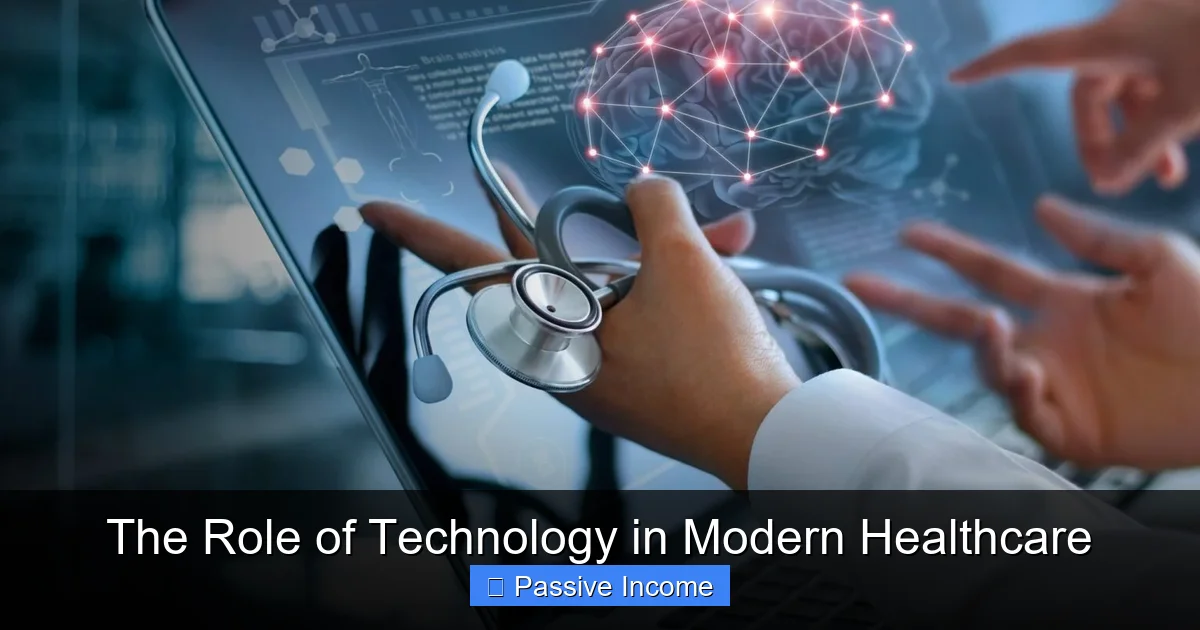
Artificial intelligence (AI) is no longer science fiction. In healthcare, AI is already diagnosing diseases, predicting outbreaks, and even assisting in surgeries. One of the most exciting applications is in medical imaging. AI algorithms can analyze X-rays, MRIs, and CT scans faster and often more accurately than radiologists.
Visual guide about The Role of Technology in Modern Healthcare
Image source: hodo.in
For example, Google’s DeepMind has developed AI that can detect signs of diabetic retinopathy—a leading cause of blindness—from eye scans with 90% accuracy. That’s faster than waiting for a human specialist to review the images. And it’s not just in research labs. Hospitals in the U.S. and Europe are using AI tools to prioritize emergency cases, reducing wait times and saving lives.
AI in Drug Discovery
Drug development used to take 10–15 years and cost billions. AI is speeding this up. By analyzing vast datasets of chemical compounds and genetic information, AI can identify potential drug candidates in months instead of years. Companies like Insilico Medicine are already using AI to develop new treatments for fibrosis and cancer.
For passive income, this means opportunities in AI training, data annotation, or even creating AI-powered health tools. If you understand machine learning, you could build a model that helps doctors predict patient outcomes or recommend personalized treatments.
Wearable Devices: Your Health on Your Wrist
Smartwatches and fitness trackers aren’t just for counting steps anymore. Today’s wearables can monitor heart rate, blood oxygen levels, sleep patterns, and even detect irregular heart rhythms like atrial fibrillation. Devices like the Apple Watch and Fitbit have become vital tools for managing chronic conditions and catching health issues early.

Visual guide about The Role of Technology in Modern Healthcare
Image source: harcourthealth.com
For example, a study found that the Apple Watch detected atrial fibrillation in 34% of participants before they showed symptoms. That kind of early detection can prevent strokes and save lives. Wearables are also empowering patients to take control of their health—tracking daily habits and sharing data with doctors for better-informed decisions.
Remote Patient Monitoring
Remote patient monitoring (RPM) is a game-changer for managing chronic diseases like diabetes, heart failure, and COPD. Patients use devices at home—like blood glucose monitors or blood pressure cuffs—to send data to their care team. Nurses or doctors can then adjust treatments in real time, reducing hospital visits and improving outcomes.
This model is especially beneficial for aging populations and rural communities with limited access to specialists. And for passive income, RPM opens doors. You could develop a platform that securely collects and analyzes patient data, or offer consulting services to help clinics set up RPM programs.
Blockchain and Cybersecurity: Protecting Patient Data
With so much health data being digital, security is more important than ever. Cyberattacks on hospitals have increased, putting patient information at risk. That’s why blockchain—a secure, decentralized technology—is gaining attention in healthcare.
Blockchain can create tamper-proof records of patient data. Each time a doctor accesses or updates a record, it’s logged on the blockchain. This makes it nearly impossible to alter or delete information without leaving a trace. It also gives patients more control over who accesses their data and when.
For passive income, cybersecurity expertise is in high demand. As more health data moves online, companies need professionals to protect it. You could offer services like penetration testing, compliance auditing, or even develop secure apps for telemedicine platforms.
The Future of Healthcare Technology
The pace of innovation in healthcare technology shows no signs of slowing. Emerging trends like 3D bioprinting, nanomedicine, and personalized genomics are on the horizon. Imagine printing a custom organ for a transplant or using gene therapy to cure inherited diseases. These aren’t just possibilities—they’re becoming realities.
Genomics and Personalized Medicine
Your DNA is unique, and so should be your treatment. Personalized medicine uses genetic information to tailor treatments to individual patients. For example, cancer therapies can be designed based on a patient’s genetic profile, increasing effectiveness and reducing side effects.
This field relies heavily on data analysis. If you have skills in bioinformatics or data science, you could help researchers analyze genetic data or develop algorithms for predicting disease risk. These are high-demand, well-paying roles—and many can be done remotely.
Robotics in Surgery and Caregiving
Robotic surgery systems like the da Vinci Surgical System allow surgeons to perform minimally invasive procedures with greater precision. The robot translates a surgeon’s hand movements into smaller, more accurate movements inside the patient’s body. This leads to less pain, shorter recovery times, and fewer complications.
Beyond surgery, robots are assisting in elder care and rehabilitation. Social robots like PARO (a therapeutic seal) help reduce anxiety in dementia patients. And robotic exoskeletons are helping people with mobility issues walk again.
Passive Income Opportunities in Digital Health
For those seeking passive income, the healthcare technology sector is full of opportunities. Unlike traditional jobs, many digital health roles allow you to create products or services that generate income with minimal ongoing effort.
Develop Health Apps
Mobile health (mHealth) apps are booming. From meditation guides to medication reminders, there’s a growing demand for tools that help people manage their health. If you have app development skills, you could create a sleep tracker, mental health journal, or chronic disease management app.
Once launched, apps can generate revenue through subscriptions, in-app purchases, or partnerships with healthcare providers. Some apps even get funded by insurance companies or government programs.
Create Online Courses
Digital health is complex, but it doesn’t have to be. You can create online courses teaching people about telemedicine, wearable devices, or how to interpret health data. Platforms like Udemy, Teachable, and Skillshare make it easy to host and sell courses.
For example, a course on “How to Use Your Smartwatch for Better Health” could attract thousands of students. As the course gains traction, it generates passive income—even while you sleep.
Offer Data Annotation Services
AI models need training data. That means labeling medical images, transcribing doctor’s notes, or categorizing symptoms. If you have attention to detail and some medical knowledge, you could offer data annotation services to healthcare AI companies.
This work can be done remotely and often on a project basis. Over time, you can build a portfolio and attract repeat clients, creating a steady income stream.
Invest in Health Tech Stocks or Funds
If you prefer a more hands-off approach, consider investing in health tech companies. Firms like Teladoc, Dexcom, and Moderna are leading the charge in digital health. You could also invest in mutual funds or ETFs focused on healthcare innovation.
While not entirely passive, these investments require little day-to-day effort. Over time, they can grow significantly—especially as healthcare technology continues to expand.
Challenges and Ethical Considerations
Technology brings great benefits, but it’s not without challenges. Data privacy is a major concern. Who owns your health data? How is it used? Patients are increasingly worried about their information being sold or misused.
Bias in AI is another issue. If training data is skewed—say, only includes data from one demographic—the AI may perform poorly for others. This could lead to unequal care. That’s why it’s crucial to use diverse datasets and audit AI systems regularly.
There’s also the digital divide. Not everyone has access to smartphones, internet, or tech literacy. This can leave vulnerable populations behind. Policymakers and tech companies must work together to ensure digital health tools are inclusive and accessible.
How to Get Started in Digital Health
Thinking about getting into healthcare technology? Here’s how to begin:
- Learn the basics: Take online courses in health informatics, data science, or app development.
- Stay updated: Follow industry news through sites like HealthITNews or MedCity News.
- Build a portfolio: Create a sample app, analyze a public health dataset, or write a blog about digital health trends.
- Network: Join online communities like the Digital Health Society or attend virtual conferences.
- Consider certifications: Credentials like Certified Health Data Analyst (CHDA) can boost your credibility.
Even if you’re not a developer, your skills matter. Writers, marketers, and educators all play a role in shaping how technology is used in healthcare.
Conclusion
Technology is no longer just a tool in healthcare—it’s the foundation of modern medicine. From AI diagnosing diseases to wearables monitoring your health 24/7, innovation is making care smarter, faster, and more personal. And for those seeking passive income, this revolution offers unprecedented opportunities to earn from home, on your own terms.
Whether you’re building apps, teaching online, or analyzing health data, the digital health space is growing—and it’s only getting bigger. The future of healthcare is here, and it’s powered by technology. By staying curious, building relevant skills, and seizing the opportunities that come your way, you can be part of this exciting transformation—and earn income while doing it.
Frequently Asked Questions
How is technology improving patient outcomes?
Technology improves patient outcomes by enabling early diagnosis, personalized treatment, and continuous monitoring. AI can detect diseases like cancer at earlier stages, wearables track vital signs in real time, and telemedicine ensures timely access to care—especially for rural or underserved populations.
Can I earn passive income from healthcare technology?
Yes. Opportunities include developing health apps, creating online courses, offering data annotation services, or investing in health tech stocks. Many of these roles require minimal ongoing effort once set up, making them ideal for passive income.
What are the main types of healthcare technology?
Key types include telemedicine platforms, electronic health records (EHRs), artificial intelligence for diagnostics, wearable devices, robotic surgery systems, and blockchain for secure data storage. Each plays a vital role in modern healthcare delivery.
Is healthcare technology secure?
While technology enhances care, cybersecurity is critical. Encryption, secure networks, and strict access controls are essential to protect sensitive patient data from breaches and unauthorized access.
How can I get started in digital health?
Start by learning relevant skills—such as data analysis, app development, or health informatics. Take online courses, build a portfolio, and network with professionals in the field. Certifications like CHDA can also boost your credentials.
Will technology replace doctors?
No. Technology supports doctors by handling data analysis, automating routine tasks, and improving accuracy. Doctors will still make the final decisions, but with better tools and insights. The goal is to enhance, not replace, human expertise.