Self-employed individuals often face unique challenges when it comes to medical insurance. Unlike traditional employees, freelancers and independent contractors don’t have access to employer-sponsored plans, leaving them to navigate the private insurance market. Understanding your options—from individual plans to health sharing programs—can help you secure affordable, comprehensive coverage. With the right strategy, you can protect your health, manage costs, and gain peace of mind while building your business.
Key Takeaways
- Self-employed individuals must purchase their own medical insurance. Unlike employees, freelancers don’t receive health benefits through a job, so they need to seek coverage independently.
- Options include ACA marketplace plans, private insurers, and health sharing ministries. Each has different rules, costs, and eligibility requirements.
- Tax deductions can help offset insurance costs. Self-employed health insurance premiums are deductible as a business expense, reducing your taxable income.
- Open enrollment and special enrollment periods matter. You typically have a 60-day window after becoming self-employed to enroll in a plan outside the annual open enrollment period.
- Consider your health needs and budget when choosing coverage. High-deductible plans may be cheaper but cost more out-of-pocket if you need care.
- Health savings accounts (HSAs) offer triple tax benefits. Pair a high-deductible health plan with an HSA to save for medical expenses with pre-tax dollars.
- Don’t wait to get sick to buy insurance. Pre-existing conditions are covered under ACA-compliant plans, but coverage starts only after enrollment.
📑 Table of Contents
- Medical Insurance for Self-Employed Individuals: A Complete Guide
- Why Medical Insurance Matters for Freelancers
- Understanding Your Insurance Options
- How to Choose the Right Plan
- Tax Benefits for Self-Employed Individuals
- Tips for Managing Costs
- Common Mistakes to Avoid
- Real-Life Example: A Freelancer’s Journey
- Conclusion: Your Health, Your Business, Your Future
Medical Insurance for Self-Employed Individuals: A Complete Guide
Being your own boss is exciting. You set your hours, choose your clients, and enjoy the freedom that comes with freelancing or running a small business. But with that freedom comes responsibility—especially when it comes to your health. Unlike traditional employees, self-employed individuals don’t get health insurance through their job. That means you’re on your own when it comes to finding, paying for, and managing medical coverage.
Many new freelancers assume they can go without insurance or wait until they’re “sick of working” to get covered. But that’s risky. A single hospital stay or unexpected illness can cost tens of thousands of dollars out of pocket. Without insurance, those bills could wipe out years of savings—or even put you in debt. The good news? There are affordable, flexible options available. With a little planning, you can secure medical insurance that fits your budget and protects your health.
In this guide, we’ll walk you through everything you need to know about medical insurance for self-employed individuals. From understanding your options to choosing the right plan and saving money, we’ve got you covered. Whether you’re just starting out or running a growing freelance business, this article will help you make smart decisions about your health coverage.
Why Medical Insurance Matters for Freelancers
Let’s start with the big picture: why does health insurance matter if you’re self-employed?

Visual guide about Medical Insurance for Self-employed Individuals
Image source: editorialmash.com
Protecting Your Finances
Healthcare in the U.S. is expensive. A single emergency room visit can cost over $2,000. A week in the hospital? That can easily reach $30,000 or more. Without insurance, you’re responsible for the full cost. For someone who works solo, that’s a financial blow that could take years to recover from.
Medical insurance spreads that risk across many people. You pay a monthly premium, and in return, the insurer helps cover your medical costs. It’s like a safety net—giving you peace of mind and protecting your business from unexpected expenses.
Meeting Legal Requirements
While the Affordable Care Act (ACA) doesn’t require most self-employed individuals to have insurance (unlike full-time employees in certain states), not having coverage can still come with penalties—or at least financial risk.
For example, in states with individual mandates (like California and New York), you may face tax penalties if you go without insurance. Even if you’re penalty-free, the cost of medical care can be devastating. So, while insurance isn’t always legally required, it’s practically essential.
Access to Preventive Care
One of the biggest benefits of health insurance is access to preventive care—like annual check-ups, vaccinations, and screenings. These services help catch problems early, when they’re easier and cheaper to treat.
Under ACA-compliant plans, preventive services are covered at no extra cost to you. That means you can get a colonoscopy, mammogram, or cholesterol screening without paying a deductible or copay. For someone who’s busy running a business, that’s a huge advantage—you’re investing in your health without added stress or cost.
Understanding Your Insurance Options
Now that you know why insurance matters, let’s explore your options as a self-employed individual.

Visual guide about Medical Insurance for Self-employed Individuals
Image source: grantsformedical.com
Health Insurance Marketplaces (ACA Plans)
The easiest way to shop for medical insurance is through the Health Insurance Marketplace, also known as the ACA exchange. Open enrollment runs from November 1 to January 31 each year, but if you become self-employed outside that window, you may qualify for a special enrollment period.
Marketplace plans are categorized by metal levels: Bronze, Silver, Gold, and Platinum. These refer to how much the plan pays on average:
- Bronze: Lowest monthly premium, highest out-of-pocket costs when you use care
- Silver: Moderate premium and costs, with subsidies available for lower-income individuals
- Gold: Higher premium, lower out-of-pocket costs
- Platinum: Highest premium, lowest out-of-pocket costs
Many self-employed individuals qualify for Advanced Premium Tax Credits (APTC), which lower monthly premiums based on income. If your income is below 400% of the federal poverty level, you may also qualify for cost-sharing reductions (CSRs) that lower deductibles and copays.
Example: A freelance graphic designer earning $35,000 a year might qualify for a Silver plan with a monthly premium of $200 instead of $500, thanks to subsidies.
Private Insurance Plans
You’re not limited to the Marketplace. You can also buy plans directly from private insurers like Blue Cross Blue Shield, UnitedHealthcare, or Cigna. These plans may offer more flexibility, better networks, or additional benefits not available on the exchange.
Private plans often require a medical underwriting process, which means the insurer can review your health history before approving coverage. This can be a problem if you have a pre-existing condition—though under the ACA, insurers can’t deny coverage or charge more based on health status for Marketplace plans.
One advantage of private plans is that they may offer short-term coverage for up to 12 months (with renewals), which can be useful if you’re waiting to enroll in a longer-term plan.
Health Sharing Ministries
Health sharing ministries are organizations where members share medical costs. They’re not insurance, but they can be a lower-cost alternative for healthy individuals.
Examples include Medi-Share and Liberty HealthShare. These programs often have lower monthly “shares,” but they may not cover pre-existing conditions or certain services (like maternity care or mental health). They also don’t comply with the ACA, so you can’t use subsidies or cost-sharing reductions.
Tip: Only consider health sharing if you’re young, healthy, and understand the limitations. Read the member agreement carefully before joining.
Medicare and Medicaid
If you’re over 65, you’re eligible for Medicare. If you have a disability or low income, you may qualify for Medicaid or the Children’s Health Insurance Program (CHIP).
Medicare has different parts:
- Part A: Hospital insurance (usually premium-free if you’ve paid Medicare taxes)
- Part B: Medical insurance (doctors, outpatient care) – requires a monthly premium
- Part C (Medicare Advantage): Combines A and B, often with extra benefits
- Part D: Prescription drug coverage
Medicaid is state-run and varies by location. Eligibility is based on income and family size. If you’re self-employed and your income fluctuates, you may qualify seasonally or annually.
How to Choose the Right Plan
With so many options, how do you pick the best medical insurance for your freelance business?
Visual guide about Medical Insurance for Self-employed Individuals
Image source: sharebuynow.com
Assess Your Health Needs
Start by thinking about your health history and current needs. Do you have a chronic condition like diabetes or asthma? Do you take regular medications? Do you have a family history of serious illness?
If you’re generally healthy and don’t visit the doctor often, a high-deductible plan with a health savings account (HSA) might make sense. These plans have lower premiums and allow you to save pre-tax money for medical expenses.
If you have ongoing health needs, a lower-deductible plan with higher premiums may save you money in the long run.
Compare Costs
When comparing plans, look beyond the monthly premium. Consider:
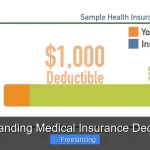
- Deductible: How much you pay out-of-pocket before insurance kicks in
- Copays: Fixed amounts for doctor visits, prescriptions, etc.
- Coinsurance: Percentage of costs you pay after meeting the deductible
- Out-of-pocket maximum: The most you’ll pay in a year (including deductible and copays)
Example: Plan A has a $200/month premium, $5,000 deductible, and $8,000 out-of-pocket max. Plan B has a $350/month premium, $2,500 deductible, and $6,000 out-of-pocket max. If you expect to use care frequently, Plan B may be cheaper overall.
Check the Network
Make sure your doctors, specialists, and hospitals are in-network. Out-of-network care can cost 2-3 times more and may not be covered at all.
Use the insurer’s provider directory or call customer service to confirm coverage. If you’re seeing a specialist regularly, double-check that they accept your plan.
Consider Telehealth
Many plans now include telehealth services, which let you talk to a doctor online or by phone. This is especially useful for freelancers with busy schedules or those who live in rural areas.
Telehealth can save time and money—especially for minor issues like colds, rashes, or mental health concerns.
Tax Benefits for Self-Employed Individuals
One of the best-kept secrets about medical insurance for freelancers is the tax advantage.
Deducting Health Insurance Premiums
As a self-employed individual, you can deduct 100% of your health insurance premiums as a for AGI (above-the-line) deduction on your tax return. This means you reduce your taxable income before calculating taxes.
This deduction applies to:
- Individual or family plans
- ACA marketplace plans
- Private insurance
- Health sharing ministry shares (if you itemize)
- Long-term care insurance
You don’t need to itemize to claim this. You can take it even if you don’t have other deductions.
Health Savings Accounts (HSAs)
If you have a high-deductible health plan (HDHP), you can open an HSA. Contributions are tax-deductible, the money grows tax-free, and withdrawals for qualified medical expenses are tax-free.
This is often called triple tax advantage. For example, if you contribute $4,000 to an HSA:
- You save on income taxes now
- The money grows tax-free
- You don’t pay taxes when you use it for medical costs
You can also use HSA funds for non-medical expenses after age 65, but you’ll pay income tax on those withdrawals.
Self-Employed Health Insurance Deduction vs. HSA
You can’t double-dip: if you use the self-employed health insurance deduction, you can’t deduct HSA contributions. But you can still contribute to an HSA if you have an HDHP—even if you’re self-employed.
Many freelancers choose to forgo the premium deduction and instead contribute more to their HSA for future medical needs. It’s a personal choice based on your cash flow and long-term goals.
Tips for Managing Costs
Medical insurance doesn’t have to break the bank. Here are practical ways to keep costs down.
Shop Around Annually
Insurance prices change every year. Use the Marketplace or private insurers to compare plans during open enrollment or your special enrollment period.
Even if you like your current plan, there may be a cheaper option with similar coverage.
Use Preventive Care
Take advantage of free preventive services. Get your annual check-up, flu shot, and recommended screenings. Early detection saves money—and lives.
Negotiate Medical Bills
Hospitals and doctors often charge more than they expect to receive. If you get a surprise bill, call the billing department and ask for a discount or payment plan.
You can also use websites like GetHuman or Empower to compare prices and negotiate costs.
Use In-Network Providers
Staying in-network saves you hundreds or thousands of dollars. Always confirm a provider is in-network before scheduling care.
Track Your Expenses
If you have an HSA or flexible spending account (FSA), keep receipts for medical expenses. Use apps like HSA Bank or Mint to manage your account.
Common Mistakes to Avoid
Even experienced freelancers make mistakes when it comes to health insurance. Here’s what to watch out for.
Waiting Until You’re Sick
You can’t get coverage retroactively. If you wait until you’re injured or diagnosed with a condition, you may not be able to enroll until the next open enrollment period—unless you have a qualifying life event.
Not Updating Your Status
If you become self-employed, make sure your income and household size are accurate on your application. This affects subsidy eligibility and plan costs.
Ignoring Special Enrollment Periods
Becoming self-employed is a qualifying life event. You have 60 days to enroll in a Marketplace plan outside open enrollment.
Choosing the Cheapest Plan Without Considering Costs
A low premium doesn’t mean low total cost. A high-deductible plan might seem affordable, but if you need care, you could end up paying thousands out of pocket.
Not Reviewing Your Plan Annually
Your health needs and income may change. Review your plan each year to make sure it still fits.
Real-Life Example: A Freelancer’s Journey
Let’s meet Sarah, a freelance web developer.
Sarah started her business five years ago. In Year 1, she went without insurance because she was healthy and wanted to keep costs down. But in Year 2, she had a minor surgery and faced a $12,000 bill. That’s when she realized she needed coverage.
She enrolled in a Silver plan through the Marketplace and qualified for subsidies. Her monthly premium dropped from $450 to $220. She also opened an HSA and started contributing $200/month.
In Year 3, she needed a root canal. Because of her plan, she paid only $150 out of pocket—saving over $2,000. She also used her HSA to pay for glasses and a gym membership (allowed under IRS rules).
By Year 5, Sarah had saved $8,000 in medical costs and had $10,000 in her HSA. She now says, “Insurance wasn’t just a cost—it was an investment in my business and my future.”
Conclusion: Your Health, Your Business, Your Future
Medical insurance isn’t just a line item—it’s a cornerstone of financial stability for self-employed individuals. It protects your health, your savings, and your ability to keep running your business.
With the right plan, you can enjoy peace of mind, access to care, and tax advantages. Whether you choose an ACA marketplace plan, a private insurer, or a health sharing ministry, the key is to act early, shop carefully, and plan for the long term.
Don’t wait for an emergency to make a decision. Take control of your health today—your future self will thank you.
Frequently Asked Questions
Can self-employed individuals get subsidies on health insurance?
Yes, if you buy a plan through the Health Insurance Marketplace and your income is below 400% of the federal poverty level. You may qualify for Advanced Premium Tax Credits (APTC) to lower your monthly payments.
What happens if I don’t have health insurance as a freelancer?
You won’t face a federal penalty (since the ACA individual mandate was repealed in 2019), but you’re at risk of paying full medical bills out of pocket. This could be financially devastating in case of illness or injury.
Can I deduct health insurance premiums on my taxes?
Yes, as a self-employed individual, you can deduct 100% of your health insurance premiums as an above-the-line deduction on your tax return. This reduces your taxable income.
What’s the difference between an HSA and an FSA?
An HSA (Health Savings Account) offers triple tax advantages and can be used with a high-deductible plan. An FSA (Flexible Spending Account) is pre-funded with pre-tax dollars but has a “use-it-or-lose-it” rule. HSAs are more flexible and grow tax-free.
Do I need to wait until open enrollment to get insurance?
No. Becoming self-employed is a qualifying life event, giving you a 60-day special enrollment period to sign up for a Marketplace plan outside the annual open enrollment window.
Are pre-existing conditions covered under self-employed health insurance?
Yes, under the Affordable Care Act, all Marketplace and most private plans cannot deny coverage or charge more based on pre-existing conditions.