Telemedicine is reshaping healthcare by making medical services more accessible, affordable, and convenient. Through virtual consultations, remote monitoring, and digital health tools, patients and providers are adapting to a new era of care. This shift not only improves outcomes but also opens doors for innovative business opportunities in the growing digital health space.
Key Takeaways
- Increased Access to Care: Telemedicine breaks down geographic and mobility barriers, allowing patients in rural or underserved areas to access specialists and timely care.
- Cost Savings for Patients and Providers: Reduced travel time, fewer missed workdays, and lower overhead costs make virtual visits a win-win for everyone involved.
- Improved Chronic Disease Management: Continuous remote monitoring helps patients with conditions like diabetes or hypertension stay on track without constant hospital visits.
- Enhanced Patient Engagement: Digital platforms empower patients to take control of their health through easy access to records, appointment scheduling, and communication with providers.
- Rapid Adoption Driven by Technology: Smartphones, wearables, and secure video platforms have made telemedicine more reliable and user-friendly than ever.
- Regulatory and Privacy Challenges: While telemedicine grows, so do concerns about data security, licensing laws, and reimbursement policies that must evolve to keep pace.
- New Opportunities for Entrepreneurs: The telehealth boom creates passive income streams through digital health products, subscription services, and remote patient monitoring platforms.
📑 Table of Contents
- How Telemedicine Is Changing Healthcare
- The Rise of Telemedicine: From Concept to Reality
- Benefits of Telemedicine: More Than Just Convenience
- Challenges and Limitations of Telemedicine
- The Future of Telemedicine: Trends and Innovations
- How to Benefit from the Telemedicine Boom
- Tips for Patients: Making the Most of Telemedicine
- Tips for Providers: Implementing Telemedicine Successfully
- Conclusion: The Future Is Virtual
How Telemedicine Is Changing Healthcare
Imagine skipping the 45-minute drive to your doctor’s office just to sit in the waiting room for 30 minutes before seeing a nurse for five minutes. Now, picture having a board-certified cardiologist review your latest blood pressure readings and adjust your medication—all from the comfort of your living room. That’s the power of telemedicine.
Over the past decade, telemedicine has evolved from a niche service to a healthcare staple. What started as a way to connect patients with doctors during the COVID-19 pandemic has now become a permanent fixture in modern medicine. From virtual check-ups to remote monitoring of chronic conditions, telemedicine is not just changing how care is delivered—it’s reshaping the entire healthcare ecosystem. And for those looking to tap into this booming industry, it’s also creating new opportunities for passive income and digital entrepreneurship.
In this article, we’ll explore how telemedicine is transforming healthcare, the benefits it offers, the challenges it faces, and how you can potentially benefit from this digital revolution—whether as a patient, provider, or business owner.
The Rise of Telemedicine: From Concept to Reality
Telemedicine, also known as telehealth, refers to the use of digital communication tools—like video calls, mobile apps, and remote monitoring devices—to provide healthcare services at a distance. While the idea has been around for decades, it wasn’t until the 21st century that technology caught up with the vision.

Visual guide about How Telemedicine Is Changing Healthcare
Image source: digitalsalutem.com
Historical Milestones
The roots of telemedicine trace back to the 1950s, when two hospitals in Nebraska used telephone lines to consult with radiologists about X-rays. Fast forward to the 1990s, and the first video consultations were conducted via satellite between a university and a remote clinic in Alaska. These early efforts laid the groundwork for what we see today.
But it was the global pandemic in 2020 that truly accelerated telemedicine adoption. With lockdowns, social distancing, and overwhelmed hospitals, both patients and providers turned to virtual care as a lifeline. Governments relaxed regulations, insurers began covering virtual visits, and patients discovered the convenience of seeing a doctor from home.
Current State of Telemedicine
Today, telemedicine is no longer a temporary fix—it’s a permanent shift. According to industry reports, the global telemedicine market is expected to reach over $459 billion by 2030, growing at a compound annual rate of more than 25%. This explosive growth is driven by several key factors: widespread smartphone use, improved internet connectivity, and increasing patient demand for convenience.
But it’s not just about convenience. Telemedicine is improving health outcomes, reducing costs, and expanding access to care—especially for underserved populations. For example, a diabetic patient in rural Montana can now upload their glucose data to a secure app, and their endocrinologist in New York can adjust their insulin regimen without them having to travel hundreds of miles.
Benefits of Telemedicine: More Than Just Convenience
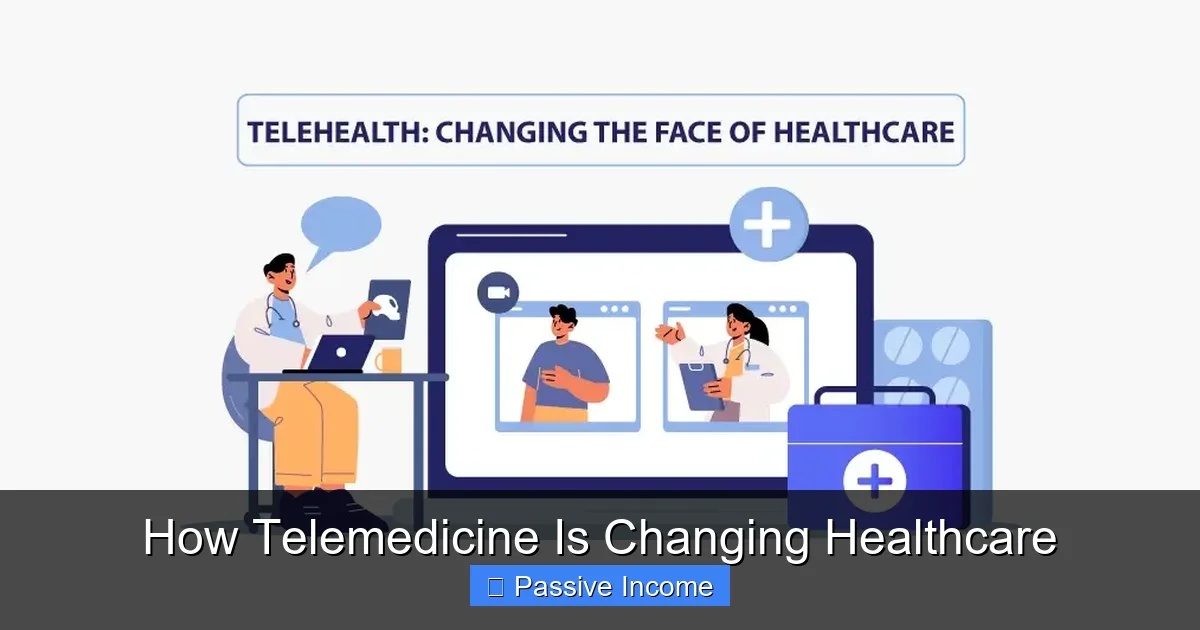
While the ease of scheduling a video call with a doctor is a major draw, telemedicine offers far deeper benefits. Let’s break down the most impactful advantages.
Visual guide about How Telemedicine Is Changing Healthcare
Image source: bigscal.com
1. Expanded Access to Specialists
One of the biggest barriers to quality healthcare is geography. In rural areas, patients often have to travel hours to see a specialist. Telemedicine eliminates this problem. A patient in Wyoming can consult with a neurologist in California, or a mother in Alaska can get a second opinion from a pediatrician in Florida—all without leaving home.
This is especially crucial for conditions requiring ongoing specialist care, such as mental health disorders, neurological conditions, or rare diseases. Telemedicine ensures that no patient is left behind due to distance or lack of local resources.
2. Faster Access to Care
Long wait times for appointments are a common frustration. In some urban areas, patients wait weeks—or even months—to see a primary care physician. Telemedicine shortens this wait. Many platforms offer same-day or next-day virtual visits, allowing patients to address concerns quickly.
For example, a parent worried about their child’s persistent cough can log into a telehealth app, speak with a pediatrician within an hour, and receive a prescription—all from their smartphone. This speed is critical in preventing minor issues from becoming serious conditions.
3. Lower Costs for Everyone
Telemedicine reduces costs on multiple levels. Patients save on transportation, parking, and time off work. Providers save on overhead—no need for large clinic spaces or in-person staff during every visit. Insurance companies benefit from reduced emergency room visits and hospital readmissions.
According to a study published in the Journal of General Internal Medicine, telemedicine visits cost patients an average of 30% less than in-person visits. For low-income families, this can mean the difference between getting care and going without.
4. Better Management of Chronic Conditions
Chronic diseases like diabetes, heart disease, and asthma account for nearly 90% of U.S. healthcare spending. Managing these conditions requires regular monitoring and frequent check-ins. Telemedicine makes this easier.
Patients can use connected devices—like blood pressure cuffs, glucose monitors, or smart scales—to send real-time data to their care team. Providers can spot trends, adjust treatments early, and prevent complications. For example, a patient with congestive heart failure can upload daily weight and symptom logs. If their weight increases suddenly, the system alerts their doctor—who can then intervene before a hospital admission is needed.
Challenges and Limitations of Telemedicine
Despite its many benefits, telemedicine isn’t a perfect solution. It has limitations that must be addressed to ensure equitable and effective care.

Visual guide about How Telemedicine Is Changing Healthcare
Image source: digitalsalutem.com
Digital Divide and Access Inequality
Not everyone has equal access to the technology needed for telemedicine. Older adults, low-income families, and rural residents may lack reliable internet, smartphones, or digital literacy. This creates a new form of healthcare inequality—where only those with resources can benefit from virtual care.
For example, a 70-year-old patient living on a fixed income might not own a tablet or know how to install a video app. Without support from family or community programs, they may be excluded from telemedicine services.
Limitations in Physical Examinations
Telemedicine is excellent for consultations, mental health counseling, and follow-up visits. But it can’t replace hands-on exams, imaging, or procedures. Patients with chest pain, broken bones, or skin rashes often still need in-person visits.
To bridge this gap, many telemedicine platforms now offer hybrid models. A patient might start with a virtual visit, and if the doctor detects a red flag—like a concerning rash—they’re referred to a nearby urgent care center for in-person evaluation.
Privacy and Security Concerns
When health data is transmitted online, it must be protected from hackers and unauthorized access. While most telemedicine platforms use encryption and comply with HIPAA regulations, breaches still occur. A single data leak can expose sensitive medical information to the public.
Patients should always verify that their telehealth provider uses secure, HIPAA-compliant software. They should also avoid using public Wi-Fi for video visits and ensure their devices have updated antivirus protection.
Licensing and Regulation Complexity
Healthcare providers must be licensed in the state where their patient resides. This means a doctor in California can’t legally treat a patient in New York without holding a license in New York—even if both are using the same telemedicine platform.
While some states have joined licensing compacts to ease this burden, the system remains fragmented. This complicates care coordination and can delay treatment for patients traveling or relocating.
The Future of Telemedicine: Trends and Innovations
Telemedicine is still evolving. New technologies and business models are emerging that will further transform healthcare delivery.
Artificial Intelligence and Predictive Analytics
AI is being integrated into telemedicine platforms to analyze patient data and predict health risks. For example, an AI algorithm can review a patient’s heart rate variability from a wearable device and flag early signs of cardiac arrhythmia.
These tools help providers intervene before a crisis occurs. They also reduce the burden on clinicians by automating routine tasks like triaging symptoms or summarizing patient histories.
Remote Patient Monitoring (RPM)
RPM is one of the fastest-growing segments of telemedicine. Devices like smart inhalers, continuous glucose monitors, and blood pressure cuffs send data directly to healthcare providers. This allows for proactive care rather than reactive treatment.
For instance, a patient with COPD uses a smart inhaler that tracks usage and triggers alerts if overuse is detected. The data is shared with their pulmonologist, who can adjust the treatment plan to prevent an exacerbation.
Integration with Wearable Technology
Smartwatches, fitness trackers, and health sensors are becoming essential tools in telemedicine. Devices like the Apple Watch can detect irregular heart rhythms and alert users to seek care.
When combined with telehealth platforms, this data becomes part of the patient’s medical record. Providers can monitor trends over time and make informed decisions based on real-world data.
Telepsychiatry and Mental Health Support
Mental health has long been underserved, especially in rural areas. Telepsychiatry is changing that. Patients can now access therapists, counselors, and psychiatrists via video call, often with lower stigma and fewer barriers.
During the pandemic, telepsychiatry usage surged by over 100%. Now, many patients prefer virtual sessions for their privacy and convenience. Some platforms even offer AI-powered chatbots for initial screening and crisis support.
How to Benefit from the Telemedicine Boom
Whether you’re a patient, provider, or entrepreneur, the telemedicine revolution offers exciting opportunities—especially for those looking to generate passive income.
1. Start a Telehealth Consulting Business
With so many clinics and hospitals adopting telemedicine, there’s a growing need for experts who can help them implement and optimize virtual care programs. You can offer services like:
- Training healthcare staff on telehealth software
- Setting up HIPAA-compliant video platforms
- Designing patient onboarding workflows
This is a high-demand niche with recurring revenue potential. You can work with multiple clients and scale your business over time.
2. Develop and Sell Digital Health Products
There’s a market for apps, devices, and software that support telemedicine. For example:
- Custom telehealth platforms for small clinics
- Patient engagement apps with appointment reminders and symptom trackers
- Remote monitoring devices with cloud integration
If you have technical skills, you can build and sell these products. Alternatively, you can create digital courses teaching others how to enter the telehealth space.
3. Offer Subscription-Based Wellness Programs
Many people are willing to pay monthly fees for access to virtual health services. You can create a subscription model that includes:
- Weekly virtual check-ins with a nurse
- Access to a library of health education videos
- Discounts on lab tests or prescription refills
This creates predictable, passive income while helping people stay healthy.
4. Invest in Telemedicine Stocks or Startups
If you’re comfortable with investing, consider putting money into companies leading the telehealth revolution. Some publicly traded telemedicine platforms include Teladoc Health, Amwell, and MDLive.
Alternatively, you can look for early-stage startups in the digital health space and invest as an angel investor.
Tips for Patients: Making the Most of Telemedicine
If you’re new to telemedicine, here are some practical tips to get started:
- Choose a reputable platform: Look for HIPAA-compliant services with good reviews. Popular options include Teladoc, Amwell, and Doctor on Demand.
- Test your tech beforehand: Make sure your internet works, your camera and mic are functional, and you know how to join the video call.
- Prepare for your visit: Write down your symptoms, medications, and questions. Have your insurance card and ID ready.
- Find a quiet, private space: Choose a room with good lighting and minimal background noise.
- Ask about follow-up care: If you need lab work or a physical exam, ask your provider for referrals or in-person options.
Tips for Providers: Implementing Telemedicine Successfully
For healthcare professionals considering telemedicine, here’s how to get started:
- Start small: Begin with virtual follow-ups for stable patients before offering full consultations.
- Train your team: Ensure nurses, front desk staff, and clinicians are comfortable with the technology.
- Use templates: Create digital forms for patient intake and history to save time during visits.
- Promote your services: Let patients know you offer virtual visits through your website, email, and social media.
- Monitor outcomes: Track patient satisfaction, no-show rates, and clinical outcomes to improve your program.
Conclusion: The Future Is Virtual
Telemedicine is more than a trend—it’s a fundamental shift in how we think about healthcare. By removing barriers of time, distance, and cost, it’s making quality care accessible to more people than ever before. From chronic disease management to mental health support, virtual care is improving outcomes and saving lives.
For entrepreneurs and passive income seekers, the telehealth boom presents a rare opportunity. Whether through consulting, product development, or digital courses, there are multiple ways to tap into this $400+ billion industry. The key is to stay informed, adapt quickly, and focus on solutions that add real value.
As technology continues to evolve, so too will telemedicine. With AI, wearables, and remote monitoring on the rise, the future of healthcare will be more connected, personalized, and patient-centered than ever. And those who embrace it—whether as a user, provider, or business owner—will be at the forefront of this transformation.
Frequently Asked Questions
What is telemedicine?
Telemedicine, also known as telehealth, is the use of digital communication tools—like video calls and mobile apps—to provide healthcare services remotely. It allows patients to consult with doctors, receive diagnoses, and manage their health without needing to visit a clinic in person.
Is telemedicine secure?
Yes, reputable telemedicine platforms use encryption and comply with privacy laws like HIPAA to protect patient data. However, patients should always ensure they’re using secure, licensed services and avoid public Wi-Fi when accessing virtual visits.
Can I use telemedicine for mental health?
Absolutely. Telepsychiatry and virtual therapy sessions are widely available and effective for treating anxiety, depression, PTSD, and other mental health conditions. Many platforms offer licensed therapists and psychiatrists for video or phone consultations.
Will telemedicine replace in-person doctor visits?
Not entirely. Telemedicine is excellent for follow-ups, chronic disease management, and routine consultations. However, physical exams, surgeries, and emergency care still require in-person visits. Most providers now use a hybrid model that combines both.
How do I find a telemedicine provider?
You can use insurance-covered platforms like Teladoc or Amwell, or visit your primary care provider’s website to see if they offer virtual visits. Always check that the service is licensed in your state and accepts your insurance plan.
Can telemedicine help with chronic conditions?
Yes. Remote patient monitoring tools allow patients with diabetes, hypertension, or heart disease to share real-time data with their care team. This helps providers adjust treatments early and prevent complications, reducing hospital visits and improving quality of life.