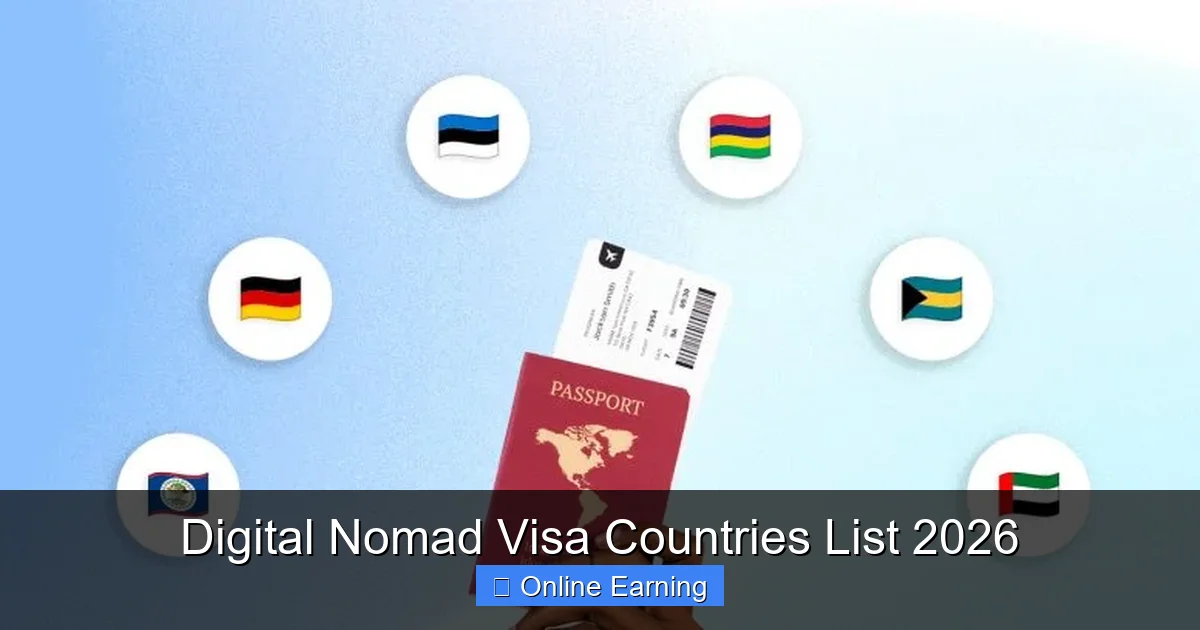
Planning to work remotely from anywhere in 2026? A digital nomad visa could be your golden ticket to freedom. These special permits let you live and work legally in countries that welcome remote professionals, offering tax benefits, fast renewals, and digital infrastructure. From Portugal to Thailand, here’s your complete guide to the top destinations for digital nomads in 2026.
Key Takeaways
- Top Destinations: Portugal, Spain, Estonia, and Mexico lead the 2026 digital nomad visa rankings with strong internet, low taxes, and welcoming cultures.
- Requirements Vary: Most visas require proof of income, health insurance, and a clean criminal record—but each country has unique thresholds and application timelines.
- Tax Advantages: Many countries offer tax exemptions or reduced rates for foreign remote workers, making it financially smart to relocate.
- Visa Duration: Nomad visas typically last 1–2 years and are renewable, giving you long-term stability without permanent residency.
- Hidden Gems: Lesser-known options like Georgia, Croatia, and Uruguay offer high quality of life at lower costs than traditional nomad hubs.
- Application Tips: Start early, gather all documents, and consider hiring a local immigration lawyer to avoid delays or rejections.
- 2026 Trends: More countries are launching nomad visas due to remote work growth, so the list is expanding every year.
📑 Table of Contents
- What Is a Digital Nomad Visa?
- Why 2026 Is the Best Year for Digital Nomads
- Top 10 Digital Nomad Visa Countries in 2026
- How to Apply for a Digital Nomad Visa in 2026
- Tax Implications for Digital Nomads
- Cost of Living Comparison for Nomads in 2026
- Best Cities for Digital Nomads in 2026
- Challenges of Living as a Digital Nomad
- Future of Digital Nomad Visas
What Is a Digital Nomad Visa?
Imagine waking up in a sun-drenched café in Lisbon, sipping espresso while your freelance clients in New York send messages through Slack. No office commute, no rigid 9-to-5, just freedom to work from anywhere. That’s the dream of a digital nomad—and a digital nomad visa makes it real.
A digital nomad visa is a special work permit designed for remote workers who want to live abroad while keeping their online jobs. Unlike regular tourist visas, these permits let you stay long-term, often for 1–2 years, and sometimes offer tax breaks. Countries are rolling them out because they want skilled remote workers to boost their economies, improve infrastructure, and bring in foreign spending.
Think of it as a win-win: you get location independence, and the host country gets economic growth. In 2026, more than 50 countries now offer some form of digital nomad visa, and the list keeps growing. Whether you’re a designer, developer, writer, or consultant, there’s likely a place that fits your lifestyle and budget.
Why 2026 Is the Best Year for Digital Nomads
Visual guide about Digital Nomad Visa Countries List 2026
Image source: outdoorhacker.com
The global shift to remote work has accelerated since 2020, and governments are catching up. In 2026, digital nomad visas are more accessible, affordable, and flexible than ever. Here’s why this year stands out:
- More Countries, More Options: In 2023, only about 20 countries had nomad visas. By 2026, that number has more than doubled, giving you choices based on cost, culture, and climate.
- Improved Infrastructure: Countries like Portugal and Estonia have invested heavily in co-working spaces, high-speed internet, and digital services tailored for remote workers.
- Streamlined Applications: Online portals, faster processing, and clearer guidelines make applying easier than ever. No more waiting months in embassy lines.
- Tax Incentives: Many countries now offer tax exemptions for foreign income, meaning you might pay zero income tax while living abroad.
- Community Growth: Larger nomad communities mean better events, networking, and support systems. You’re not just a tourist—you’re part of a global tribe.
Top 10 Digital Nomad Visa Countries in 2026
Visual guide about Digital Nomad Visa Countries List 2026
Image source: accessfinancial.com
1. Portugal – The Nomad Capital of Europe
Portugal’s D7 Visa and new Digital Nomad Visa (introduced in 2023) are a dream for remote workers. With mild weather, affordable living, and a booming tech scene, it’s no surprise Portugal tops the list.
- Requirements: Proof of €7,604/year (~$8,200) for a single applicant or €3,802/year per dependent.
- Duration: 1 year, renewable for another year.
- Tax Perks: Non-Habitual Resident (NHR) tax regime offers up to 10 years of tax exemptions on foreign income.
- Why It’s Great: Lisbon and Porto have co-working hubs, great food, and a relaxed vibe. English is widely spoken.
Pro Tip: Apply online through the SEF portal. Bring bank statements, health insurance, and a clean criminal record. Processing takes 60–90 days.
2. Spain – Warm, Welcoming, and Work-Friendly
Spain’s Digital Nomad Visa, launched in 2023, is perfect for those who love Mediterranean culture, siestas, and tapas.
- Requirements: €2,530/month (~$2,700) for a single person. Couples need €4,554/month.
- Duration: 1 year, renewable.
- Tax Perks: No immediate tax benefits, but you can claim deductions for co-working space memberships and home office expenses.
- Why It’s Great: Cities like Barcelona, Valencia, and Malaga offer vibrant nightlife, beaches, and excellent public transport.
Pro Tip: Spanish consulates in the U.S. and EU handle applications. Apply 3–4 months early. You’ll need a Spanish address and health insurance.
3. Estonia – The Digital Pioneer
Estonia is a tech-savvy nation that’s embraced digital nomadism since 2020. With 99% of public services online, it’s built for remote workers.
- Requirements: €3,500/month (~$3,750) for a single person.
- Duration: 1 year, renewable.
- Tax Perks: Flat 20% income tax, but foreign income may be tax-free under certain conditions.
- Why It’s Great: Tallinn is safe, clean, and has a strong startup culture. It’s also in the EU, so you can travel freely.
Pro Tip: Apply online via e-Residency. You don’t need to live in Estonia full-time—just visit occasionally. Great for EU-based nomads.
4. Mexico – Affordable Paradise
Mexico’s Temporary Resident Visa (for remote workers) is ideal for those who want to live in Latin America without breaking the bank.
- Requirements: 2–3 times the official minimum wage (~$1,300–$1,950/month), depending on location.
- Duration: 1–4 years, renewable.
- Tax Perks: No tax on foreign income if you’re not tax-resident. You can claim deductions for rent and utilities.
- Why It’s Great: From Cancún to Oaxaca, Mexico offers beaches, culture, and a low cost of living. English is common in tourist areas.
Pro Tip: Apply at a Mexican consulate. Bring proof of income, health insurance, and a rental agreement. You can work from anywhere in the country.
5. Croatia – The Rising Star
Croatia’s Digital Nomad Visa, introduced in 2023, lets you explore the Adriatic coast while working online.
- Requirements: €2,400/month (~$2,570) for a single person.
- Duration: 1 year, renewable.
- Tax Perks: 10% flat tax on income earned in Croatia, but foreign income may be tax-free.
- Why It’s Great: Split, Dubrovnik, and Hvar are stunning. The country is EU-membering soon, so travel benefits will grow.
Pro Tip: Apply through the Croatian Ministry of the Interior. You’ll need health insurance and a clean record. Processing takes 30–60 days.
6. Georgia – The Hidden Gem
Georgia offers one of the most generous nomad visas in the world. No income requirement, low taxes, and a laid-back vibe.
- Requirements: None! Just proof of health insurance and a clean criminal record.
- Duration: 1 year, renewable.
- Tax Perks: 0% tax on foreign income. You only pay tax if you earn money inside Georgia.
- Why It’s Great: Tbilisi has a growing nomad scene, great coffee, and affordable living. The country is safe and English-friendly.
Pro Tip: Apply online. You can stay up to 180 days per year. Perfect for budget-conscious nomads.
7. Uruguay – South American Sophistication
Uruguay’s Renta 4000 visa targets high-income remote workers who want to live in a stable, English-speaking country in South America.
- Requirements: $1,500/month (~$1,600) for a single person.
- Duration: 1 year, renewable.
- Tax Perks: No tax on foreign income if you’re not tax-resident.
- Why It’s Great: Montevideo is safe, clean, and has a European flair. Great for digital nomads who want to explore South America.
Pro Tip: Apply through the Uruguayan consulate. You’ll need health insurance and proof of income. It’s a bit bureaucratic, but worth it.
8. Thailand – The Original Nomad Hub
Thailand’s long-stay visa options (like the Elite Visa) are popular, but the new Digital Nomad Visa (launched 2024) is even better.
- Requirements: 60,000 THB/month (~$1,700) for a single person.
- Duration: 1 year, renewable.
- Tax Perks: No immediate tax benefits, but you can deduct expenses.
- Why It’s Great: Bangkok, Chiang Mai, and Phuket offer everything from beaches to temples. Low cost of living and great food.
Pro Tip: Apply at a Thai consulate. You’ll need health insurance and a rental agreement. Be prepared for some paperwork.
9. Dominican Republic – Tropical Freedom
The Dominican Republic launched its digital nomad visa in 2023. It’s perfect for those who want to live near the Caribbean.
- Requirements: $2,000/month (~$2,150) for a single person.
- Duration: 2 years, renewable.
- Tax Perks: No tax on foreign income if you’re not tax-resident.
- Why It’s Great: Santo Domingo, Punta Cana, and Puerto Plata offer beaches, culture, and safety. English is common in tourist areas.
Pro Tip: Apply online via the Dominican consulate. You’ll need health insurance and proof of income. It’s a bit new, so check for updates.
10. Malta – EU Meets Mediterranean
Malta’s Global Residence Program includes digital nomad options. It’s ideal for EU residents who want a sunny base.
- Requirements: €27,000/year (~$29,000) for a single person.
- Duration: 3 years, renewable.
- Tax Perks: Flat 15% tax on foreign income, or €15,000 annual tax cap under the Nomad Digital Residence program.
- Why It’s Great: Malta is in the EU, safe, and has great infrastructure. Perfect for digital nomads who want European benefits.
Pro Tip: Apply through a licensed agent. You’ll need health insurance and proof of income. It’s pricey but offers EU access.
How to Apply for a Digital Nomad Visa in 2026
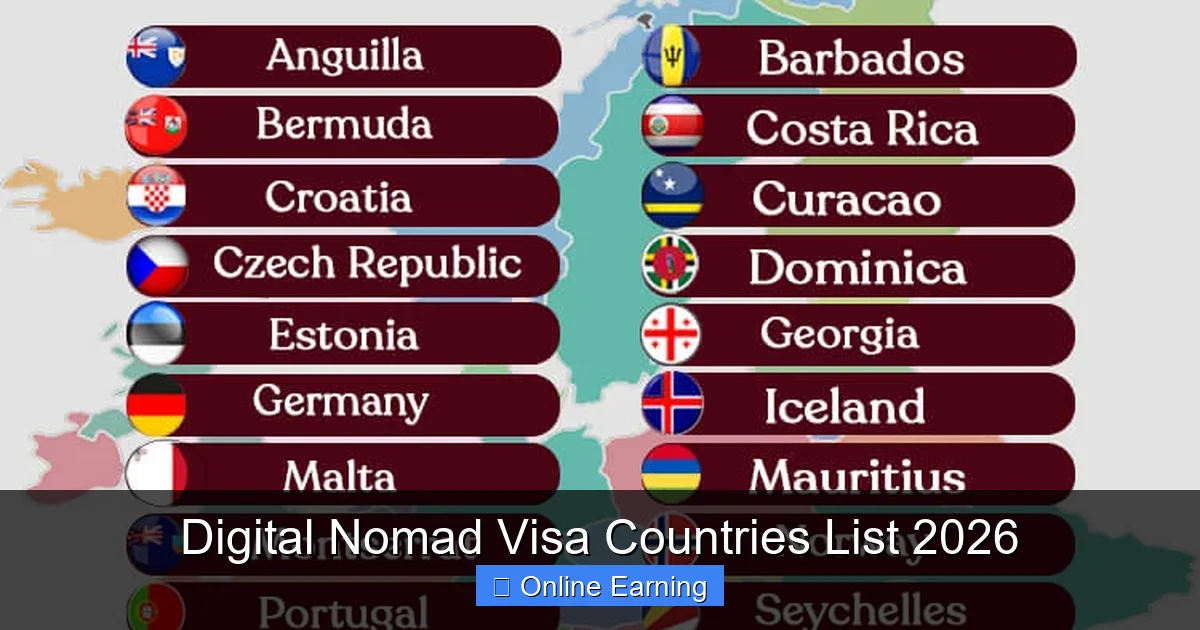
Visual guide about Digital Nomad Visa Countries List 2026
Image source: d28wu8o6itv89t.cloudfront.net
Applying for a digital nomad visa is easier than ever, but it’s not a one-size-fits-all process. Here’s a step-by-step guide:
- 1. Choose Your Country: Pick a destination that matches your budget, lifestyle, and work needs. Use the list above to compare.
- 2. Check Requirements: Income thresholds, health insurance, and criminal record checks vary. Some countries require a local address.
- 3. Gather Documents: Typical items include:
- Passport (valid 6+ months)
- Proof of income (bank statements, client contracts)
- Health insurance (covering the entire stay)
- Clean criminal record
- Rental agreement or proof of address
- 4. Apply: Most countries let you apply online or through a consulate. Processing times range from 30 to 90 days.
- 5. Wait and Prepare: Once approved, book your flight and set up your remote work setup. Some countries require a short visit to activate the visa.
- 6. Renew or Extend: Most visas are renewable. Keep your income and insurance valid to avoid issues.
Pro Tip: Start your application 3–4 months early. Don’t wait until the last minute—especially if you need to get a visa stamped in your passport.
Tax Implications for Digital Nomads
One of the biggest perks of a digital nomad visa is tax savings. But rules vary by country and your home country’s tax laws. Here’s what to know:
- Tax Residency Rules: If you spend more than 183 days in a country, you may become tax-resident there. This means you’ll pay local taxes on worldwide income.
- Double Taxation Treaties: Many countries have agreements to prevent double taxation. Check if your home country has one with your destination.
- Foreign Income Exemptions: Countries like Georgia, Uruguay, and Portugal offer 0% tax on foreign income if you’re not tax-resident.
- Deductions: You can often deduct co-working space fees, internet, and home office expenses from your income.
- Keep Records: Save all invoices, bank statements, and contracts. You may need them for tax filings.
Example: A freelance designer in Portugal earning $80,000 from U.S. clients can use the NHR tax regime to pay 0% tax on that income for up to 10 years—saving tens of thousands.
Cost of Living Comparison for Nomads in 2026
One of the biggest advantages of a digital nomad visa is affordability. Here’s how top destinations compare:
- Portugal: $2,500–$3,500/month (Lisbon/Porto)
- Georgia: $1,200–$1,800/month (Tbilisi)
- Mexico: $1,500–$2,200/month (Mexico City/Cancún)
- Spain: $2,800–$3,800/month (Barcelona/Madrid)
- Uruguay: $2,000–$3,000/month (Montevideo)
- Thailand: $1,300–$2,000/month (Bangkok/Chiang Mai)
Tip: Use cost-of-living calculators like Numbeo or Expatistan to compare cities. Factor in co-working space prices, internet, and travel costs.
Best Cities for Digital Nomads in 2026
Lisbon, Portugal
Lisbon is a magnet for nomads. With co-working spaces like Second Home, mild weather, and a growing tech scene, it’s perfect for remote workers. The city offers a rich cultural life, great food, and easy access to Europe.
Barcelona, Spain
Barcelona blends urban energy with Mediterranean charm. It’s a hub for creatives and entrepreneurs, with plenty of co-working spaces and a strong English-speaking community.
Tbilisi, Georgia
Tbilisi is a rising star with low costs, great coffee culture, and a welcoming vibe. It’s ideal for budget nomads who want to explore Eastern Europe and Asia.
Mexico City, Mexico
Mexico City is vibrant, diverse, and full of history. With affordable living and a growing nomad scene, it’s a top choice for digital professionals.
Split, Croatia
Split offers stunning views of the Adriatic, a relaxed lifestyle, and a growing co-working community. It’s a great base for exploring the Balkans.
Montevideo, Uruguay
Montevideo is safe, clean, and European-style. It’s perfect for nomads who want to live in South America without the hustle of big cities.
Challenges of Living as a Digital Nomad
While the nomad lifestyle is exciting, it’s not without challenges. Here’s what to expect:
- Time Zone Differences: Working across time zones can be tough. Use tools like World Time Buddy to plan meetings.
- Visa Renewal: You must maintain income and health insurance. Don’t let your visa expire—it can affect future travel.
- Isolation: Remote work can be lonely. Join co-working spaces, attend meetups, and stay connected with friends and family.
- Internet Reliability: Not all destinations have fast, stable internet. Test your connection before moving.
- Bureaucracy: Some countries have slow processing or unclear rules. Be patient and double-check requirements.
Tip: Build a routine. Wake up early, work focused hours, and schedule time for exploration. Balance work and life for long-term happiness.
Future of Digital Nomad Visas
The future of digital nomad visas is bright. More countries are launching them, and existing ones are improving their programs. In 2026 and beyond, expect:
- More Countries: Expect additions from places like Albania, Kenya, and Costa Rica.
- Faster Processing: Online portals and AI tools will speed up applications.
- Better Benefits: More tax incentives, visa extensions, and community support.
- Global Recognition: Nomad visas may become a standard for remote workers worldwide.
Final Thought: The digital nomad lifestyle isn’t just a trend—it’s the future of work. With the right visa, you can live anywhere, work anywhere, and thrive anywhere.
Frequently Asked Questions
What is the best digital nomad visa for 2026?
Portugal’s Digital Nomad Visa is often considered the best due to its tax benefits, high quality of life, and strong community. Georgia is a close second for its low cost and generous terms.
Do I need a job to get a digital nomad visa?
No, you don’t need a full-time job. Most visas accept proof of income from freelancing, remote work, or passive income like investments or rental earnings.
Can I bring my family on a digital nomad visa?
Yes, many countries allow dependents (spouse, children) to join. You’ll need to show higher income and provide proof of accommodation and health insurance for them.
How much money do I need to qualify?
Requirements vary. In Portugal, you need €7,604/year. In Georgia, there’s no income requirement. In general, aim for $2,000–$4,000/month depending on the country.
Can I work for clients in my home country?
Yes, most digital nomad visas allow you to work for foreign clients. Just avoid working locally in your host country to stay compliant.
What happens if my visa expires?
If your visa expires and you overstay, you may face fines, deportation, or be banned from re-entering. Always renew on time and keep your status active.