The USA Green Card process simplified is your roadmap to permanent residency in the United States. Whether you’re joining a family member, pursuing employment, or seeking asylum, understanding the steps—from filing forms to attending interviews—can save you time and stress. With the right strategy, your path to a green card becomes clear, manageable, and achievable.
Key Takeaways
- Green Card Basis: The U.S. Green Card offers permanent residency, allowing you to live and work in the U.S. indefinitely—but it’s not automatic and requires a structured application process.
- Common Pathways: Major routes include family sponsorship, employment-based visas, refugee or asylum status, and the Diversity Visa Lottery—each with its own rules and timelines.
- Application Process: The process typically begins with filing Form I-485 (for adjustment of status) or Form I-130 (for family petitions), followed by biometrics, interviews, and background checks.
- Processing Times Vary: Wait times can range from months to years depending on category, country of origin, and USCIS workload—planning ahead is essential.
- Maintaining Status: Once approved, Green Card holders must follow rules like not committing serious crimes, reporting address changes, and avoiding long absences abroad.
- Renewal & Citizenship: After 3–5 years, Green Card holders may apply for U.S. citizenship through naturalization—a powerful step toward full rights and responsibilities.
- Seek Legal Help: Complex cases or delays benefit from an immigration attorney, especially if you’re applying from outside the U.S. or have prior immigration violations.
📑 Table of Contents
- Introduction: Your Journey to the American Dream Starts with a Green Card
- What Is a U.S. Green Card and Why Does It Matter?
- Common Ways to Get a U.S. Green Card
- The Step-by-Step USA Green Card Process Simplified
- Processing Times: How Long Does It Take?
- Maintaining and Renewing Your Green Card
- From Green Card to Citizenship: Your Next Step
- Tips for a Smooth Green Card Application
- Conclusion: Your Green Card Journey Starts Now
Introduction: Your Journey to the American Dream Starts with a Green Card
Dreaming of calling the United States home? You’re not alone. Millions of people from around the world dream of building a life in America—starting with the ultimate goal: a U.S. Green Card. But what exactly is a Green Card, and how do you get one? The USA Green Card process simplified isn’t about magic—it’s about understanding the system, knowing your options, and taking the right steps.
A Green Card grants you permanent legal residency in the U.S., allowing you to live, work, and eventually apply for citizenship. Think of it as your golden ticket to stability, opportunity, and long-term security. But the process can feel overwhelming—filled with forms, deadlines, and government agencies. That’s where this guide comes in. We’ll break it all down, step by step, so you know exactly what to expect, what to do, and how to avoid common pitfalls.
Whether you’re sponsored by a U.S. citizen relative, offered a job in the States, or entered the country through a humanitarian program, this article will walk you through the essentials. We’ll cover eligibility, required paperwork, processing timelines, and even how to maintain your status once you arrive. Plus, we’ll share practical tips from real applicants who’ve navigated the system successfully.
By the end of this guide, you’ll have a clear, confident roadmap for your Green Card journey. Let’s get started.
What Is a U.S. Green Card and Why Does It Matter?
Visual guide about Usa Green Card Process Simplified
Image source: immi-usa.com
At its core, a Green Card is a document that proves you’re a lawful permanent resident (LPR) of the United States. It’s issued by U.S. Citizenship and Immigration Services (USCIS), and it allows you to live and work anywhere in the U.S. legally. Unlike a visa, which is temporary, a Green Card grants you permanent status—though it can be revoked if you break immigration laws.
But why does this matter so much? Because a Green Card opens doors. You can work without needing a sponsor, travel freely in and out of the U.S. (with proper planning), access social services, and eventually apply for U.S. citizenship. It’s not just a piece of paper—it’s a life-changing opportunity.
There are over 12 million Green Card holders in the U.S. today, and each one started with a decision to pursue a better future. Whether you’re a skilled worker, a family member of a U.S. citizen, or someone seeking refuge, understanding the USA Green Card process simplified is the first step toward making that dream real.
Common Ways to Get a U.S. Green Card
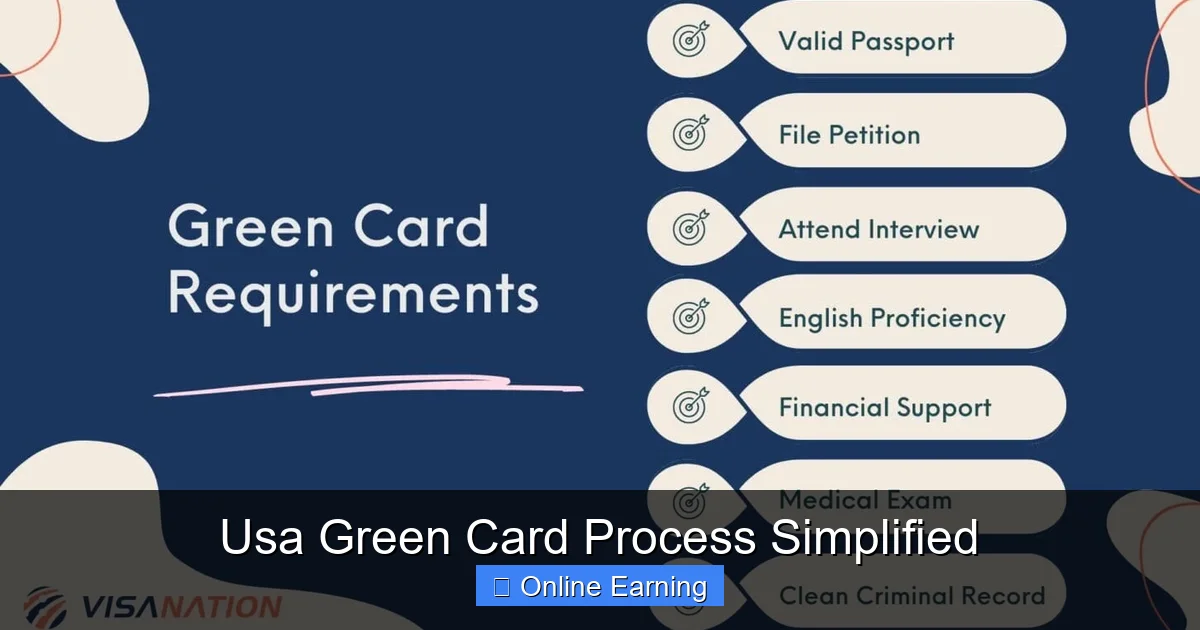
Visual guide about Usa Green Card Process Simplified
Image source: immi-usa.com
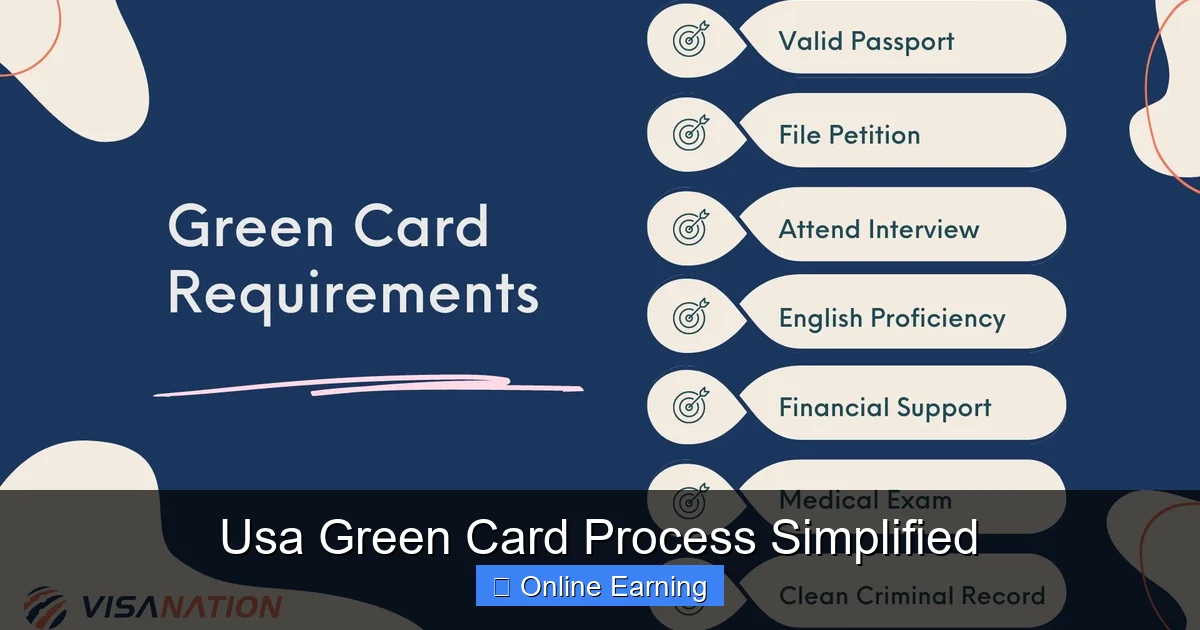
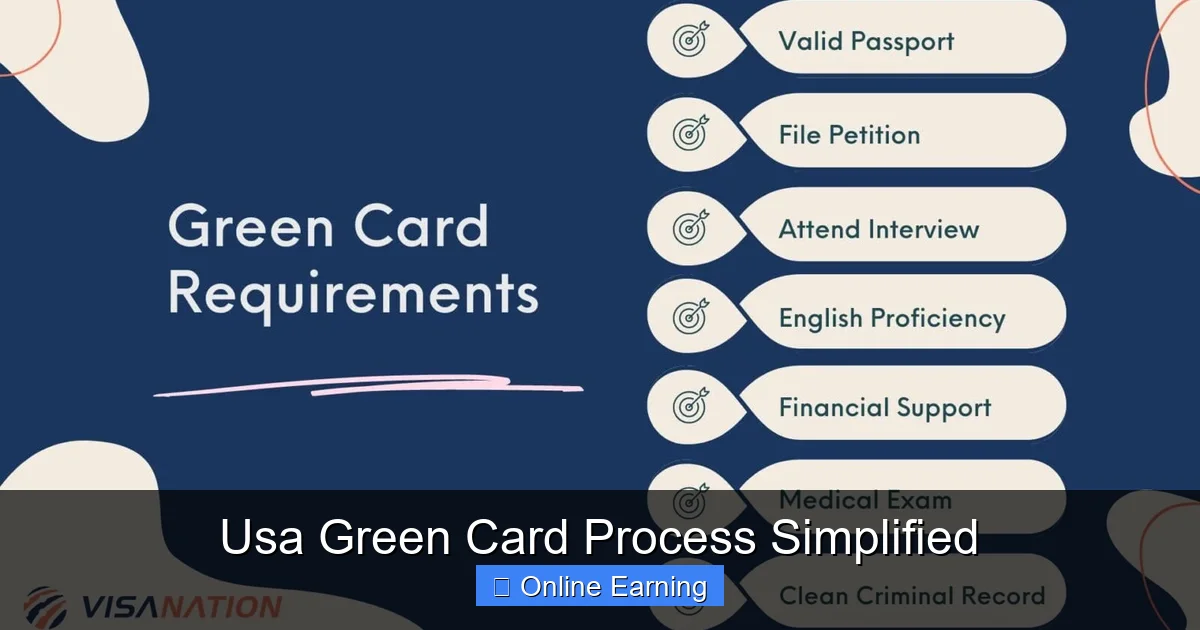
The U.S. offers several pathways to a Green Card, each designed for different situations. While the USA Green Card process simplified varies slightly depending on your route, the core steps remain consistent. Here are the most common ways to qualify:
1. Family-Based Immigration
If you have close relatives who are U.S. citizens or Green Card holders, you may be eligible for a family-sponsored Green Card. U.S. citizens can sponsor their spouses, parents, and unmarried children under 21. Green Card holders can sponsor spouses and unmarried children, but not parents or siblings.
For example, Maria lives in Mexico and is married to a U.S. citizen named David. David can file Form I-130 (Petition for Alien Relative) for Maria. If approved, Maria can either adjust her status inside the U.S. (if she’s already here legally) or apply for an immigrant visa abroad through a U.S. consulate.
2. Employment-Based Immigration
If you have a job offer from a U.S. employer, you may qualify for an employment-based Green Card. There are five preference categories, with priority given to:
– EB-1: Extraordinary ability, outstanding professors/researchers, or multinational executives
– EB-2: Advanced degrees or exceptional ability
– EB-3: Skilled workers, professionals, or other workers
– EB-4: Special immigrants (e.g., religious workers)
– EB-5: Investors who invest $800,000–$1.05 million in a qualifying project
Let’s say Raj is a software engineer with a master’s degree and a job offer from a Silicon Valley startup. His employer can file Form I-140 (Immigrant Petition for Alien Worker). If approved, Raj can then apply for a Green Card.
3. Refugee or Asylum Status
If you’ve been persecuted or fear persecution in your home country due to race, religion, nationality, political opinion, or social group, you may apply for asylum or refugee status. Refugees apply from outside the U.S.; asylees apply from within the U.S.
For instance, Fatima fled Syria and entered the U.S. as a refugee. After one year in the U.S., she can apply for asylum and, if approved, eventually for a Green Card.
4. The Diversity Visa Lottery (Green Card Lottery)
The Diversity Visa (DV) Lottery is a program that gives up to 55,000 Green Cards annually to people from countries with low rates of immigration to the U.S. You apply online during a short registration window, and if selected, you go through consular processing to receive your Green Card.
Note: This is not a guaranteed path—it’s a lottery. But for many, it’s their only shot at a Green Card.
The Step-by-Step USA Green Card Process Simplified
Visual guide about Usa Green Card Process Simplified
Image source: green-card-lottery-usa.org
Now that you understand the pathways, let’s walk through the actual process. While the USA Green Card process simplified can vary, most applicants follow a similar sequence:
Step 1: Determine Eligibility
Before filing anything, confirm you qualify. Ask yourself:
– Am I sponsored by a U.S. citizen or Green Card holder?
– Do I have a job offer from a U.S. employer?
– Have I been granted asylum or refugee status?
– Am I eligible for the Diversity Visa Lottery?
Use the USCIS eligibility tool or consult an immigration attorney to avoid wasting time on ineligible applications.
Step 2: File the Required Forms
Most Green Card applications begin with one of two forms:
– Form I-130: Used by U.S. citizens or Green Card holders to petition for a family member.
– Form I-140: Used by employers to petition for an employee.
For example, if you’re applying through a spouse who is a U.S. citizen, they must file Form I-130 on your behalf. If you’re applying through employment, your employer files Form I-140.
You’ll also need to file Form I-485 (Application to Adjust Status) if you’re already in the U.S. and eligible to adjust status. If you’re outside the U.S., you’ll go through consular processing instead.
Step 3: Pay the Required Fees
Fees vary by form and category. As of 2024, expect to pay:
– $535 for Form I-485 (Adjustment of Status)
– $535 for Form I-130 (Family Petition)
– $700 for Form I-140 (Employment Petition)
Fees are non-refundable, even if your application is denied. USCIS accepts credit cards, checks, and money orders. You can apply for a fee waiver if you meet income requirements.
Step 4: Attend Biometrics Appointment
After filing, you’ll receive a notice to visit a USCIS Application Support Center (ASC) for fingerprints, photo, and signature (biometrics). This helps with background checks.
Bring your appointment notice and a valid ID. The process takes about 15–30 minutes.
Step 5: Complete the Interview
Most applicants must attend an interview at a USCIS field office. You’ll answer questions about your background, relationship (if family-based), and intent to reside in the U.S.
Prepare by reviewing your application, bringing original documents, and practicing common interview questions. For example, if applying through marriage, you might be asked about your spouse’s daily routine or your plans for the future.
Step 6: Receive Decision
After the interview, USCIS will approve or deny your application. If approved, you’ll receive your Green Card in the mail within a few weeks.
If denied, you may appeal or reapply—but be sure to understand the reason for denial.
Step 7: Maintain Your Green Card
Once you have your Green Card, follow these rules:
– Never commit a crime—especially serious ones.
– Report address changes within 10 days using Form AR-11.
– Avoid prolonged absences from the U.S. (over 6 months can raise questions about your intent to stay).
– Renew your Green Card every 10 years using Form I-90.
Processing Times: How Long Does It Take?
One of the biggest challenges in the USA Green Card process simplified is waiting. Processing times vary widely:
– Family-based petitions: 10–24 months
– Employment-based petitions: 6–18 months
– Adjustment of status (I-485): 12–36 months
– Consular processing: 12–24 months
Factors affecting timing include:
– Your country of origin (some countries have long backlogs)
– USCIS workload and staffing
– Completeness of your application
Check current processing times on the USCIS website. Use the “Check Case Status” tool to track your application.
Maintaining and Renewing Your Green Card
Your Green Card is valid for 10 years (or 2 years for conditional residents). To keep it valid:
Renewal
File Form I-90 online or by mail at least 6 months before expiration. Include your old Green Card, fee, and supporting documents.
Reinstatement
If you lose your Green Card, apply for a replacement using Form I-90. You can also request a temporary replacement card if needed.
Removal of Conditions
If your Green Card was issued with conditions (usually due to marriage-based petitions), you must file Form I-751 within 90 days before it expires to remove the conditions.
Traveling with Your Green Card
You can travel internationally with your Green Card, but reentry may require a reentry permit (Form I-131) if you plan to be away for over 1 year.
From Green Card to Citizenship: Your Next Step
After 3 years (if married to a U.S. citizen) or 5 years (as a permanent resident), you may apply for U.S. citizenship through naturalization.
Benefits of citizenship include:
– Voting in federal elections
– Sponsoring parents for Green Cards
– Running for public office
– No risk of deportation (in most cases)
To apply, file Form N-400, pass a civics and English test, and take the Oath of Allegiance.
Tips for a Smooth Green Card Application
– Start early: Gather documents months before filing.
– Be honest: Misrepresentation can lead to deportation.
– Keep copies: Always keep digital and physical copies of every form and receipt.
– Respond promptly: Missing a request for evidence (RFE) can delay your case.
– Stay informed: Immigration rules change—check USCIS updates regularly.
Conclusion: Your Green Card Journey Starts Now
The USA Green Card process simplified may seem complex, but it’s manageable with the right knowledge and preparation. Whether you’re applying through family, work, or chance, understanding your path, filing correctly, and staying patient will set you up for success.
Remember: A Green Card is more than a document—it’s a step toward a brighter future. It’s the key to stability, opportunity, and the American dream. Take it one step at a time, stay informed, and don’t hesitate to seek help when needed.
You’ve got this. Your journey to permanent residency in the U.S. starts today.
Frequently Asked Questions
Can I work in the U.S. while my Green Card application is pending?
Yes, if you’re applying for adjustment of status and have work authorization (Form I-765), you can legally work in the U.S. while your case is pending. You must file Form I-765 with your I-485 application to request this benefit.
How long does it take to get a Green Card through the Diversity Visa Lottery?
If selected in the DV Lottery, processing typically takes 12–24 months. You’ll go through consular processing at a U.S. embassy or consulate in your home country after your application is approved.
Can I apply for a Green Card if I overstayed my visa?
Possibly, but it depends on your situation. Overstaying doesn’t automatically disqualify you, but it may affect eligibility. Consulting an immigration attorney is strongly recommended to explore your options.
Do I need a lawyer to apply for a Green Card?
Not required, but highly advised for complex cases. Lawyers help avoid errors, represent you in court, and increase approval chances. For simple family or employment cases, self-filing is possible with careful preparation.
Can I bring my parents to the U.S. on a Green Card?
U.S. citizens can sponsor their parents for Green Cards, but there’s a long wait—often 10+ years—because of annual quotas. Green Card holders cannot sponsor their parents.
What happens if my Green Card application is denied?
You’ll receive a notice explaining the reason. Depending on the issue, you may appeal or reapply. In some cases, you may be eligible for a waiver or reconsideration. Seek legal advice to understand your next steps.