Expats seeking affordable or free health insurance now have real options worldwide. Countries like Spain, Portugal, and the UAE provide generous public healthcare benefits to foreign residents. With rising global mobility, understanding these programs can save you thousands while ensuring top-notch care. Whether you’re retiring abroad or building a digital nomad life, these destinations make healthcare access simple and reliable.
Living abroad is an exciting adventure—new cultures, languages, and lifestyles await. But one thing that often causes stress? Health insurance. As an expat, you’re not just moving your life; you’re also navigating unfamiliar healthcare systems. The good news? Several countries go above and beyond to welcome expats with open arms—including access to quality healthcare at little or no cost.
In this guide, we’ll walk you through the top countries offering free or highly subsidized health insurance for expats. Whether you’re a retiree, digital nomad, or career-driven professional, you’ll find options that match your lifestyle and budget. We’ll cover eligibility, how to enroll, what to expect, and why private insurance still matters—even in places where public care is free.
Let’s dive into the nations where your health is protected, your peace of mind grows, and your wallet stays happy.
Key Takeaways
- Understanding Top Countries Offering Free Health Insurance to Expats: Provides essential knowledge
📑 Table of Contents
- Spain: The Land of Sun, Saffron, and Free Healthcare
- Portugal: Affordable, Accessible, and Expat-Friendly
- United Arab Emirates: Modern Medicine in the Desert
- Thailand: Affordable Care in the Land of Smiles
- Costa Rica: Green, Healthy, and Expat-Ready
- Other Notable Countries with Free or Low-Cost Healthcare
- Why Private Insurance Still Matters
- How to Enroll in Public Healthcare as an Expat
- Final Thoughts: Your Health, Your Choice
Spain: The Land of Sun, Saffron, and Free Healthcare
Spain is one of the most popular destinations for expats, and for good reason. From its Mediterranean climate to its rich history and vibrant culture, Spain offers an unbeatable lifestyle. But what truly sets it apart for expats is its world-class public healthcare system.
How Expats Access Free Healthcare in Spain
Spain operates a universal healthcare system known as the Sistema Nacional de Salud (SNS). This means that all legal residents, including expats, are entitled to public healthcare services. You don’t need to pay premiums upfront—instead, you receive medical care and then pay a small co-payment at the time of service.
To qualify, you must register with the Spanish Social Security system. This requires a NIE (Número de Identidad de Extranjero), a residence certificate, and proof of legal residency. Once registered, you’ll receive a European Health Insurance Card (EHIC) equivalent—the Tarjeta Sanitaria Europea (TSE)—which allows you to access healthcare across the EU.
What’s Covered?
Public healthcare in Spain covers:
– General practitioner (GP) visits
– Specialist consultations
– Hospital treatments and surgeries
– Emergency care
– Prescription medications (with a small co-pay)
– Maternity and pediatric care
For example, if you break your arm while hiking in the Pyrenees, you’ll receive immediate emergency care at a public hospital. Afterward, you’ll pay a small fee (usually under €10 per visit), and the rest is covered by the state.
Tips for Expats
– Enroll within 3 months of arrival to avoid gaps in coverage.
– Keep your TSE card updated and carry it at all times.
– Use public hospitals for non-urgent care to avoid long wait times at private clinics.
Spain’s healthcare system is efficient, compassionate, and widely praised by international organizations. With a doctor on every street corner and bilingual medical staff in major cities, expats often report feeling more comfortable than in their home countries.
Portugal: Affordable, Accessible, and Expat-Friendly
Visual guide about Top Countries Offering Free Health Insurance to Expats
Image source: actwitty.com
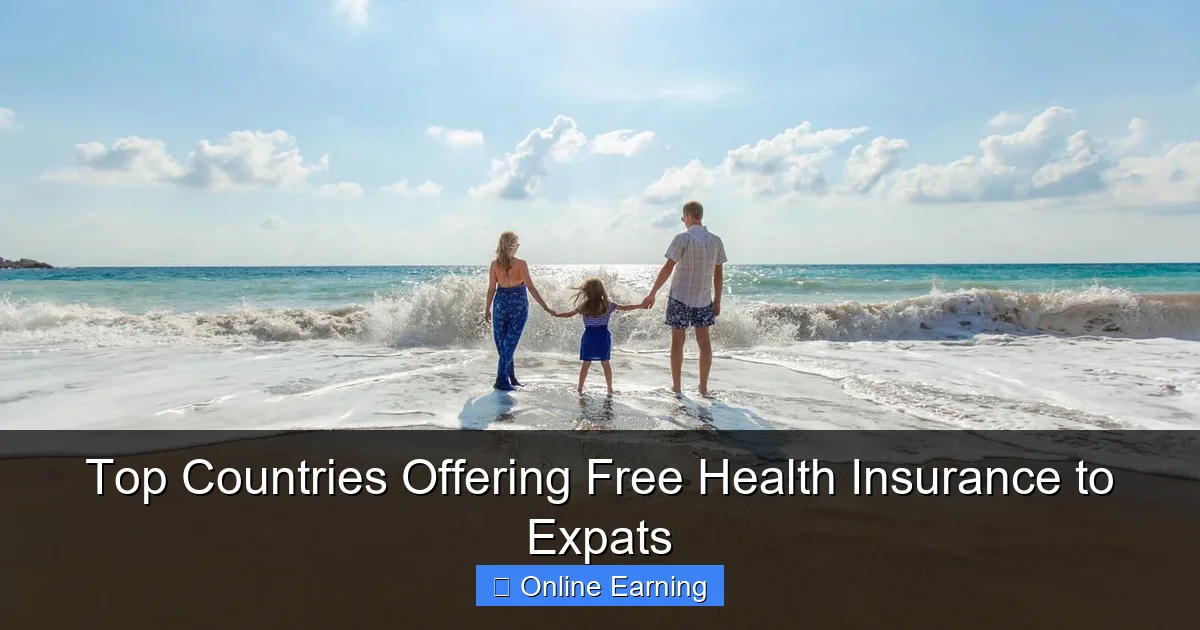
Portugal has become a haven for retirees and digital nomads alike. With its mild climate, stunning coastlines, and affordable cost of living, it’s no surprise that over 300,000 expats call Portugal home. But what’s even more appealing? The country’s public healthcare system, which is free for all legal residents.
The SNS: Portugal’s National Health Service
The Sistema Nacional de Saúde (SNS) provides universal coverage to all residents, regardless of nationality. Expats who have lived in Portugal for over 90 days and are registered with the local health authority (Unidade de Saúde Familiar, or USF) are eligible for free or low-cost care.
To enroll, you’ll need:
– A residence permit
– Proof of income (if self-employed or retired)
– Registration with the local health center
Once registered, you’ll receive a health card that grants access to public clinics and hospitals. Emergency care is always free, and routine treatments like vaccinations, prenatal care, and chronic disease management are covered at minimal cost.
Example: A Day in the Life of a Portuguese Expat
Imagine you’re in Lisbon and come down with a fever. You visit a public clinic near your home, show your health card, and are seen by a doctor within the hour. The consultation is free. You receive a prescription, pay a small co-pay (around €2), and pick up your medication at a nearby pharmacy. No insurance forms, no upfront bills—just fast, reliable care.
Why Expats Love Portugal’s Healthcare
– Short wait times compared to other EU countries
– High doctor-to-patient ratio
– English-speaking medical staff in urban areas
– Integration with the EU’s cross-border healthcare system
While Portugal’s public system is excellent, many expats opt for private insurance for faster access to specialists and elective procedures. But for routine care and emergencies, the SNS is more than sufficient.
United Arab Emirates: Modern Medicine in the Desert

Visual guide about Top Countries Offering Free Health Insurance to Expats
Image source: i.pinimg.com
The UAE has transformed from a desert outpost into a global hub for business, luxury, and innovation. With cities like Dubai and Abu Dhabi boasting world-class hospitals, the UAE offers expats access to cutting-edge medical care—and in some cases, free healthcare.
Free Healthcare in the UAE for Expats
In Abu Dhabi and Dubai, the government provides free healthcare to all long-term residents, including expats. This includes:
– Emergency medical treatment
– Outpatient consultations
– Hospital stays and surgeries
– Maternity care
– Vaccinations
To qualify, you must be a legal resident with a valid visa and work permit. The UAE’s health system is modeled after the UK’s NHS, with a strong emphasis on preventive care and public health initiatives.
How It Works
When you visit a public hospital or clinic, you present your Emirates ID and health card. You won’t receive a bill—the government covers the cost. For example, if you have a heart attack in Dubai, you’ll be rushed to Rashid Hospital, receive life-saving treatment, and walk out without a single dirham paid.
Private Healthcare: The Fast Lane
While public care is free, many expats choose private insurance for convenience. Clinics like Cleveland Clinic Abu Dhabi and American Hospital Dubai offer VIP services, shorter wait times, and English-speaking doctors. These plans are often required by employers or recommended for expats with chronic conditions.
Eligibility Tips
– Ensure your visa is up to date.
– Register with a public health center upon arrival.
– Keep your health card visible at all times.
The UAE’s healthcare system is a standout for expats seeking safety, speed, and quality. With no out-of-pocket costs for public care, it’s one of the most accessible systems in the region.
Thailand: Affordable Care in the Land of Smiles
Visual guide about Top Countries Offering Free Health Insurance to Expats
Image source: d2fgwbymbvlegs.cloudfront.net
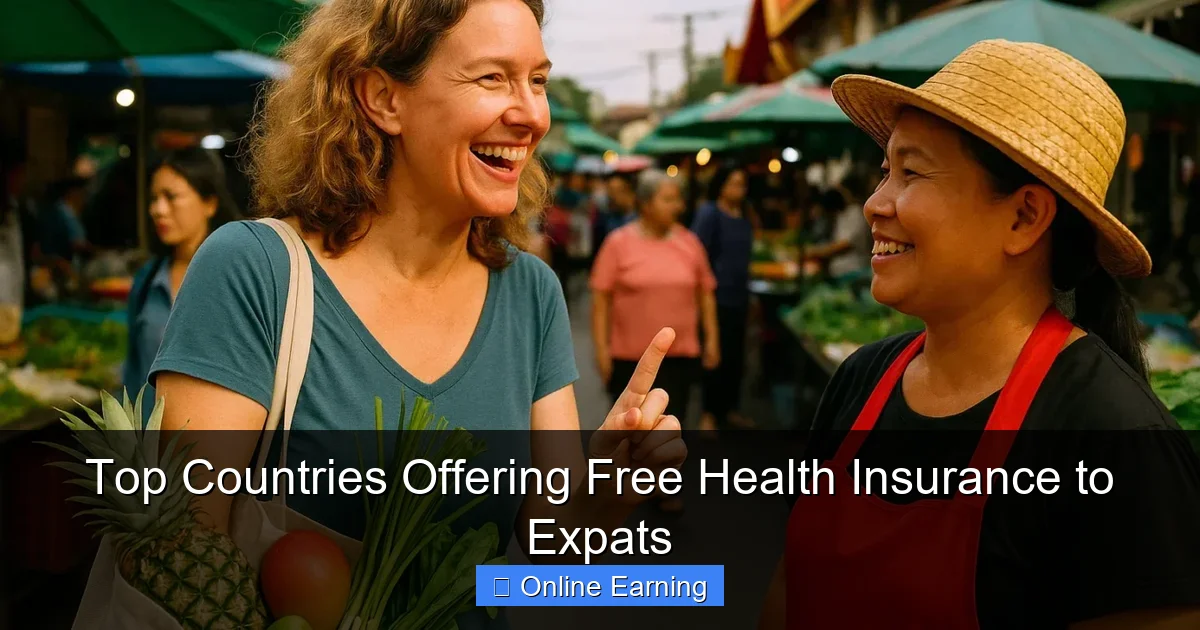
Thailand is a top destination for expats from around the world. From Chiang Mai’s peaceful temples to Bangkok’s bustling streets, the country offers a unique blend of tradition and modernity. But what many don’t know is that Thailand also provides excellent, low-cost public healthcare to expats.
Thailand’s Universal Healthcare for Expats
Thailand’s public healthcare system is funded by the government and offers free or low-cost care to all legal residents. To enroll, expats must register with a local public hospital or clinic. Once registered, you’ll receive a health insurance card that covers:
– GP consultations
– Hospital treatments
– Emergency care
– Maternity services
– Chronic disease management
The co-payment is minimal—usually under 30 baht (~$1) per visit. This makes Thailand one of the most affordable healthcare systems in Southeast Asia.
Example: A Health Check in Chiang Mai
You’re living in Chiang Mai and decide to get a routine health check. You visit a public hospital, present your registration card, and are seen by a doctor. The consultation costs 20 baht. You’re prescribed blood tests, which are done on-site. Total cost: less than $1.50. The entire process takes less than an hour.
Why Expats Choose Thailand’s Healthcare
– Extremely low out-of-pocket costs
– High-quality care, especially in major cities
– English-speaking medical staff in tourist areas
– Integration with traditional medicine (e.g., Thai massage, herbal remedies)
While public care is affordable, many expats supplement with private insurance for access to international-standard facilities. But for everyday health needs, Thailand’s system is more than adequate.
Costa Rica: Green, Healthy, and Expat-Ready
Costa Rica is known for its stunning biodiversity, eco-tourism, and progressive policies. But it’s also home to one of the most inclusive healthcare systems in Latin America—one that welcomes expats with open arms.
Costa Rica’s Caja Costarricense de Seguro Social (CCSS)
The CCSS is the public healthcare provider in Costa Rica and offers universal coverage to all legal residents, including expats. To enroll, you must register with the CCSS within 30 days of arrival. You’ll need:
– A residency permit
– Proof of income or employment
– A medical exam (for long-term residents)
Once registered, you’ll receive a health card that grants access to public hospitals and clinics. Emergency care is free, and routine treatments are low-cost.
What’s Included?
– General and specialist consultations
– Hospital stays and surgeries
– Maternity and pediatric care
– Mental health services
– Preventive care (vaccinations, screenings)
For example, if you’re hiking in Monteverde and twist your ankle, you can visit a public clinic. The treatment is free, and you’ll receive a cast and physical therapy referrals at no extra cost.
Private Insurance: The Optional Upgrade
While public care is excellent, many expats choose private insurance for faster access to specialists and elective procedures. Companies like CIMA and CCH offer comprehensive plans tailored to expats.
Tips for Expats
– Register with CCSS as soon as possible.
– Carry your health card and passport when visiting clinics.
– Learn basic Spanish—it helps with communication.
Costa Rica’s healthcare system is a model of inclusivity and efficiency. With a focus on preventive care and community health, it’s a great choice for expats seeking long-term stability.
Other Notable Countries with Free or Low-Cost Healthcare
While Spain, Portugal, the UAE, Thailand, and Costa Rica lead the way, several other countries offer generous healthcare benefits to expats.
Mexico
Mexico’s public healthcare system, IMSS and ISSSTE, covers expats who are legal residents. With low out-of-pocket costs and high-quality care in cities like Mexico City and Cancún, it’s a popular choice for North American retirees.
Panama
Panama offers a public healthcare system that includes expats. With a growing expat community in Panama City, it’s easy to access affordable care through the Ministry of Health.
Malaysia
Malaysia provides subsidized healthcare to long-term residents. Public hospitals offer excellent care at a fraction of the cost of private clinics, especially in Kuala Lumpur and Penang.
Estonia
As an EU member, Estonia offers free healthcare to all legal residents, including expats. With a focus on digital health records and efficiency, it’s a rising star in European healthcare.
Each of these countries has unique eligibility rules, so always verify requirements before moving.
Why Private Insurance Still Matters
Even in countries with free public healthcare, private insurance is a smart choice for many expats. Here’s why:
Faster Access to Specialists
Public systems can have long wait times for non-emergency procedures. Private insurance gets you seen quickly.
Broader Coverage
Public systems may not cover dental, vision, or alternative medicine. Private plans often include these benefits.
Convenience and Comfort
Private clinics offer shorter wait times, private rooms, and English-speaking staff—ideal for expats.
Global Coverage
Many private plans cover you anywhere in the world, which is crucial for digital nomads.
Example: The Digital Nomad’s Plan
Maria lives between Portugal and Thailand. She has public coverage in both countries but pays for a private international plan to cover dental, mental health, and emergency evacuation.
While public healthcare is free, private insurance adds peace of mind and flexibility.
How to Enroll in Public Healthcare as an Expat
The enrollment process varies by country, but here’s a general guide:
1. Gather Documents
– Passport and visa
– Proof of residency (utility bill, rental agreement)
– Tax ID or NIE number
2. Register with Local Authorities
Visit the nearest health office or social security office. Bring all documents.
3. Receive Your Health Card
This card grants access to public clinics and hospitals.
4. Keep It Updated
Renew your card annually and report any changes in address or status.
Always check local requirements—some countries require proof of income or employment.
Final Thoughts: Your Health, Your Choice
Moving abroad is a big decision. But with the right healthcare plan, it can be stress-free and rewarding. Countries like Spain, Portugal, the UAE, Thailand, and Costa Rica prove that free or low-cost healthcare for expats is not only possible—it’s common.
Whether you’re seeking a relaxed retirement, a digital nomad adventure, or a new career abroad, these nations offer the care you need without breaking the bank. Just remember: even in countries with free public healthcare, private insurance can provide extra protection and convenience.
Take the time to research, enroll early, and choose the system that fits your lifestyle. Because when it comes to health, peace of mind is priceless.
Frequently Asked Questions
Do all countries offer free health insurance to expats?
No, only a few countries like Spain, Portugal, and the UAE provide free or low-cost public healthcare to expats. Most require residency, income proof, or registration before eligibility.
Can I use my home country’s health insurance abroad?
Some countries offer reciprocal agreements through the EHIC or GHIC, but coverage is limited. It’s best to supplement with local or private insurance for full protection.
Is public healthcare in these countries as good as private?
Public systems are generally excellent, especially in Spain, Portugal, and the UAE. However, private care often offers faster access and more comfort, which is why many expats use both.
How long do I need to live in a country to qualify for free healthcare?
Typically, you need to be a legal resident for 90 days to 1 year, depending on the country. For example, Portugal requires 90 days, while the UAE covers all long-term residents immediately.
What if I fall sick before enrolling in a local system?
Always have travel insurance that covers medical emergencies. It’s essential for the first few months until you’re registered with the local healthcare system.
Are pre-existing conditions covered?
In most public systems, pre-existing conditions are covered after enrollment. Private insurance may have waiting periods or exclusions, so read the fine print.