Traveling without health insurance abroad can lead to financial ruin from unexpected medical emergencies. Getting the right coverage before departure protects your wallet and peace of mind. This guide walks you through every step—from understanding your needs to picking the best policy—so you can explore the world worry-free.
Traveling abroad is exciting—new cultures, breathtaking sights, and unforgettable experiences await. But what happens if you suddenly fall ill or get injured while exploring a foreign country? Without proper health insurance, a single trip to the hospital can cost thousands of dollars. That’s why getting health insurance before traveling abroad isn’t just smart—it’s essential.
Many travelers assume their home country’s health plan will cover them overseas. But in most cases, domestic insurance doesn’t provide international coverage. Others rely on credit card travel protections, only to discover those benefits are limited or nonexistent for serious medical issues. The reality is: if you’re traveling internationally, you need dedicated travel health insurance. This guide will walk you through everything you need to know—from choosing the right plan to understanding coverage details—so you can travel with confidence.
Key Takeaways
- Timing is critical: Always secure health insurance at least 2–4 weeks before your international trip to ensure full coverage and avoid gaps in protection.
- Choose a global plan: Opt for travel health insurance that covers medical care in your destination country, not just emergency evacuation.
- Understand exclusions: Read your policy carefully—many plans exclude pre-existing conditions, high-risk activities, or routine care.
- Check visa and host country requirements: Some countries (like France or Australia) legally require proof of travel health insurance for entry.
- Consider additional riders: Add trip cancellation, baggage loss, or emergency evacuation coverage for complete protection.
- Keep digital and physical copies: Store your insurance ID card, policy number, and emergency contact info easily accessible during your trip.
- Know how to file a claim: Understand the process for reimbursement or direct billing to avoid out-of-pocket surprises.
📑 Table of Contents
- Why Health Insurance Is Crucial Before Traveling Abroad
- Types of Travel Health Insurance You Should Consider
- How to Choose the Best Health Insurance for Your International Trip
- Where to Buy Travel Health Insurance
- What to Do After You Buy Your Policy
- How to Handle Medical Emergencies Abroad
- Common Mistakes to Avoid
- Conclusion
Why Health Insurance Is Crucial Before Traveling Abroad
Medical emergencies don’t care about your vacation plans. A sudden illness, food poisoning, or even a minor accident can turn your dream trip into a financial nightmare. In countries with high healthcare costs—like the U.S., Canada, or parts of Europe—a single ER visit can easily exceed $2,000. In some nations, even basic care can be prohibitively expensive for uninsured travelers.
Beyond financial risk, there are practical concerns. Without insurance, you might delay treatment to save money, worsening your condition. Or worse, you could be turned away from a hospital due to lack of payment. Some countries, such as those in the Schengen Area, legally require proof of travel health insurance for visa approval. Missing this requirement could mean denied entry at the border.
Travel health insurance acts as a safety net. It covers medical expenses, emergency evacuation, and sometimes even trip interruptions. It gives you access to quality care without the fear of bankruptcy. Whether you’re backpacking through Southeast Asia or attending a business conference in Dubai, having the right insurance ensures you can focus on your journey—not your medical bills.
Types of Travel Health Insurance You Should Consider
Visual guide about How to Get Health Insurance Before Traveling Abroad
Image source: thehotelguide.com
Not all travel health insurance plans are created equal. Understanding the different types available will help you pick the one that fits your trip best.
Short-Term Travel Medical Insurance
This is the most common type for international travelers. Short-term plans typically cover 30 days to one year and are ideal for leisure, business, or short-term study abroad. They pay for doctor visits, hospital stays, prescription drugs, and sometimes emergency dental. These plans are usually easy to purchase online and can be bought up to a year in advance.
For example, if you’re visiting Spain for two months, a short-term plan would cover you during that entire period. Most policies start coverage immediately upon departure from your home country, so you don’t need to wait for activation.
Long-Term or Annual Multi-Trip Insurance
If you travel frequently or plan to live abroad for more than a year, consider a long-term or annual multi-trip policy. These plans cover multiple trips within a year and often include benefits like extended coverage for chronic conditions. They’re more cost-effective if you travel often.
For instance, a digital nomad living in Portugal might use an annual plan that covers all their trips across Europe, Asia, and South America throughout the year. Some policies even offer “open-ended” coverage, meaning you can extend your stay without reapplying.
International Student or Expatriate Insurance
If you’re studying or working abroad, specialized insurance may be required by your institution or employer. These plans often include mental health services, maternity care, and coverage for pre-existing conditions—something standard travel insurance usually excludes.
For example, a student in Germany might need to enroll in a local public health system (Krankenkasse), but even then, they may need supplemental travel insurance for emergencies outside Germany.
Emergency Evacuation and Repatriation Coverage
This is a critical add-on, especially for travelers going to remote or developing regions. Emergency evacuation covers the cost of transporting you to the nearest adequate medical facility—or even back to your home country—if local care isn’t sufficient. Repatriation covers the cost of returning your body to your home country if you pass away abroad.
Imagine hiking in Nepal and breaking your leg. A local hospital might not have the equipment to treat you. Evacuation insurance could airlift you to a hospital in Thailand or India, saving your life and avoiding exorbitant costs.
Comprehensive Travel Insurance with Medical Benefits
Some policies bundle medical coverage with other benefits like trip cancellation, lost luggage, and travel delays. While convenient, make sure the medical portion meets your needs. A plan with $100,000 in medical coverage might be fine for a short trip to Europe, but a $500,000 plan may be necessary for high-risk destinations like South Africa or parts of Central America.
Always check the policy limits and ensure they align with the cost of care in your destination.
How to Choose the Best Health Insurance for Your International Trip
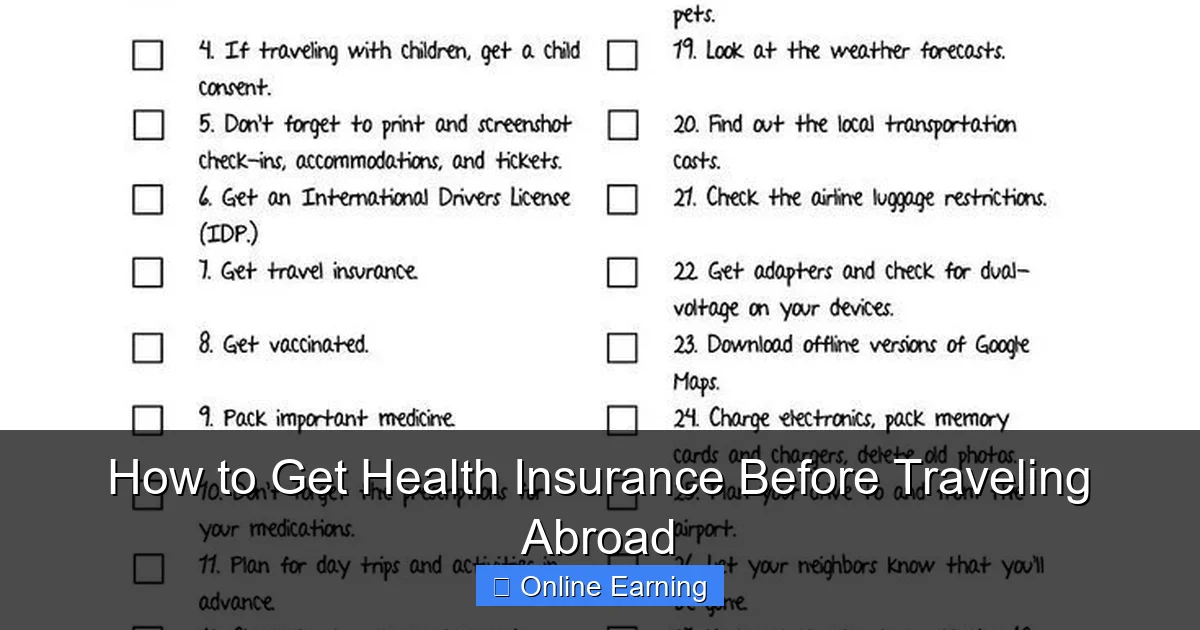
Visual guide about How to Get Health Insurance Before Traveling Abroad
Image source: i.pinimg.com
Picking the right plan starts with understanding your personal needs and destination.
Assess Your Destination and Activities
Different countries have different healthcare standards and costs. In Western Europe, private hospitals are expensive but high-quality. In Southeast Asia, care is affordable but may lack advanced equipment. In remote areas, access to care can be limited.
Also, consider your activities. Are you scuba diving, hiking, or skiing? Many standard travel insurance plans exclude high-risk sports. If you’re planning adventure travel, look for a policy that includes such activities—or purchase an add-on.
For example, a traveler heading to Costa Rica for surfing might need a plan that covers water sports. Without it, a surfing accident could result in denied claims.
Evaluate Your Health History
If you have a pre-existing medical condition—like diabetes, hypertension, or asthma—standard travel insurance may exclude coverage for related issues. But many insurers offer “pre-existing condition waivers” if you apply within a certain window (often 10–21 days of purchasing the policy).
For instance, if you have asthma and plan to travel to Japan, you can often buy a waiver that covers asthma-related emergencies. Just make sure to disclose your condition accurately during the application process.
Compare Coverage Limits and Deductibles
Coverage limits are the maximum amount the insurer will pay for medical expenses. For most destinations, $100,000–$250,000 is sufficient. But in the U.S., medical costs can skyrocket, so a higher limit (up to $1 million) may be wise.
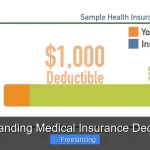
Deductibles are the amount you pay out of pocket before insurance kicks in. A $250 deductible is common, but some plans offer $0 deductibles for a higher premium. Choose based on your budget and risk tolerance.
Check Network and Direct Billing Options
Some insurers have partnerships with hospitals and clinics abroad, allowing for direct billing—meaning you don’t pay upfront. This is especially helpful in emergencies. Always ask if your insurer has a network in your destination country.
For example, if you’re traveling to France, a plan with direct billing at major hospitals in Paris or Lyon will save you time and stress during a medical emergency.
Read the Fine Print
Don’t skip the exclusions. Common exclusions include:
– Pre-existing conditions (unless waived)
– Mental health treatment (unless included)
– Pregnancy and childbirth (unless specified)
– High-risk activities (e.g., skydiving, bungee jumping)
– Self-inflicted injuries or intoxication
A policy might cover a broken arm from a fall, but not a broken arm from a skydiving accident if that activity is excluded.
Where to Buy Travel Health Insurance

Visual guide about How to Get Health Insurance Before Traveling Abroad
Image source: i0.wp.com
Now that you know what to look for, where can you buy it?
Online Travel Insurance Providers
Most reputable insurers operate online, making it easy to compare plans. Popular options include:
– World Nomads: Great for adventure travelers and long-term trips
– SafetyWing: Ideal for digital nomads and frequent travelers
– Allianz Travel Insurance: Offers comprehensive plans with good customer service
– IMG (International Medical Group): Known for customizable policies
– Seven Corners: Widely accepted abroad and offers 24/7 support
These platforms let you enter your trip dates, destination, age, and medical history to get instant quotes. You can often apply for pre-existing condition waivers online too.
Through Your Credit Card or Bank
Some credit cards and banks offer travel insurance as a perk. But be cautious—these plans are usually limited. They may only cover trip cancellation or emergency medical evacuation, not full medical care. Also, they often require you to pay for the trip with the card, and coverage may not apply if you use a different card for part of the booking.
For example, a premium credit card might offer $25,000 in medical coverage, which may not be enough for serious treatment in the U.S. Always read the fine print and compare with standalone policies.
Through Your Employer or University
If you’re traveling for work or school, check if your employer or university offers group travel insurance. These plans are often more affordable and include better coverage. They may also cover dependents or family members.
For instance, many universities require students studying abroad to enroll in their international health insurance plan, which includes mental health services and evacuation.
Local Insurance Brokers
In some countries, local brokers specialize in international travel insurance. They can offer personalized advice, especially for complex trips. However, availability varies, and they may not offer the same global reach as international insurers.
What to Do After You Buy Your Policy
Once you’ve purchased your travel health insurance, there are a few important steps to take.
Download and Print Your Documents
After purchase, you’ll receive a confirmation email with your policy documents. Download them immediately and print a copy. Include:
– Insurance ID card
– Policy number
– Emergency contact information
– List of covered services and exclusions
Keep these in your passport wallet or travel wallet—not in your checked luggage.
Share Your Policy with Family or Travel Companions
If someone else is traveling with you, make sure they have a copy of the policy too. They may need to access medical services in your absence.
Register with Your Government’s Travel Advisory Service
Many countries offer registration services (like STEP in the U.S. or Smartraveller in Australia). Registering lets your government contact you in case of emergencies abroad. They can also provide health alerts and updates.
Save Emergency Contacts
Store your insurer’s emergency number in your phone and write it down. Also save the number for your country’s embassy or consulate in your destination.
How to Handle Medical Emergencies Abroad
Even with insurance, knowing what to do in an emergency can save time and money.
Contact Your Insurer Immediately
Call your insurance provider’s 24/7 emergency line as soon as possible. They’ll guide you on next steps, help you find a network hospital, and sometimes arrange direct billing.
For example, if you’re in Morocco and have a heart attack, your insurer might direct you to a specific hospital in Casablanca that accepts their billing.
Keep All Receipts and Medical Records
If you pay out of pocket, keep every receipt—even for over-the-counter medicine. You’ll need these to file a reimbursement claim later.
Know Your Rights as a Patient
In most countries, you have the right to informed consent and treatment. If a hospital refuses to treat you due to lack of payment, ask for a written explanation. Your insurer may intervene.
File a Claim After Returning Home
Most insurers allow you to file claims within 90 days of returning. Submit your receipts, medical reports, and the claim form. Processing usually takes 2–4 weeks.
Common Mistakes to Avoid
Even experienced travelers make these errors.
Waiting Until the Last Minute
Buying insurance right before departure limits your options. Some plans require application within 10–21 days of trip start. Last-minute buyers may miss pre-existing condition waivers or face higher premiums.
Assuming Domestic Insurance Covers You Abroad
Unless your domestic plan explicitly includes international coverage, it won’t pay for care abroad. Many U.S. Medicare plans, for example, don’t cover care outside the country.
Overlooking Activity-Specific Coverage
If you’re mountain climbing in Peru or skiing in Switzerland, standard plans may exclude these activities. Always check.
Not Reading the Exclusions
It’s easy to skim the policy details. But exclusions can void your coverage. For example, many plans exclude dental unless it’s due to an accident.
Failing to Carry Proof of Insurance
At customs or border checks, you may be asked to show proof of insurance. Without it, you could be denied entry.
Underestimating Costs in Your Destination
A $50,000 medical limit might be fine in Thailand, but not in Germany. Research average hospital costs before choosing coverage.
Conclusion
Getting health insurance before traveling abroad isn’t just a formality—it’s a vital part of responsible travel. It protects your health, your finances, and your peace of mind. With so many options available, the key is to plan ahead, compare carefully, and choose a policy that fits your trip’s duration, destination, and activities.
Remember: the cheapest plan isn’t always the best. A few hundred dollars in premiums could save you tens of thousands in medical bills. Take the time to research, read the fine print, and secure coverage well before your departure. When you do, you’ll be free to explore the world—knowing you’re protected, no matter what happens.
Travel smart. Travel safe. Travel insured.
Frequently Asked Questions
Can I get health insurance the day before I leave for my trip?
Yes, but your options may be limited. Most insurers allow you to purchase coverage up to the day you depart, but some require application within 10–21 days of trip start. Avoid last-minute purchases if you have pre-existing conditions, as waivers may not be available.
Does my credit card cover international medical emergencies?
Some credit cards offer limited travel insurance, but coverage is often restricted. They may only cover trip cancellation or emergency evacuation, not full medical care. Always verify coverage limits and check if you must use the card for the entire trip to qualify.
What if I get sick before I leave—can I still get coverage?
Yes, many insurers allow you to apply for pre-existing condition waivers if you purchase within a specific window—usually 10–21 days of departure. Be honest about your health history, or your claim could be denied later.
Is travel insurance required for visa applications?
Yes, in some countries. For example, France, Germany, and Australia require proof of travel health insurance for short-term visa applicants. Check your destination’s visa requirements before applying.
What happens if I don’t have insurance and get hospitalized abroad?
You’ll likely pay the full cost out of pocket, which can be tens of thousands of dollars. Hospitals may also refuse treatment until payment is arranged, potentially worsening your condition. Travel insurance ensures timely care and financial protection.
Can I extend my travel insurance if I stay longer than planned?
Yes, many insurers allow extensions online. You can usually extend coverage up to the policy’s maximum duration (often one year). Be sure to notify your provider before your original end date to avoid a coverage gap.