Health insurance for work visa holders is more than a formality—it’s a vital safeguard for your health, legal compliance, and peace of mind. Whether you’re moving to the U.S., Canada, or the UAE, understanding your options ensures you’re covered when it counts. This guide breaks down everything you need to know, from eligibility to enrollment, so you can focus on your new job and life.
Key Takeaways
- Legal Requirement: Many countries mandate health insurance for work visa holders to prevent public healthcare strain and ensure access to care.
- Coverage Varies: Plans differ by country, employer, and visa type—some cover full medical expenses, while others offer basic protection.
- Employer-Sponsored Plans: Most employers offer group health insurance, often at a lower cost, but check if it meets visa requirements.
- Private Insurance Options: If your employer doesn’t provide coverage, private plans are available but must meet minimum standards.
- Pre-Existing Conditions: Some plans cover pre-existing conditions immediately, while others have waiting periods or exclusions.
- Renewal & Portability: Always verify renewal terms and whether your policy can be transferred if you change jobs or countries.
- Emergency Coverage: Ensure your plan includes emergency medical evacuation, repatriation, and urgent care for unexpected situations.
📑 Table of Contents
- Introduction: Why Health Insurance Matters for Work Visa Holders
- What Is Health Insurance for Work Visa Holders?
- Why Is Health Insurance Required for Work Visas?
- Types of Health Insurance Available for Work Visa Holders
- How to Choose the Right Health Insurance Plan
- Common Mistakes to Avoid
- Health Insurance Across Popular Work Visa Countries
- Tips for Managing Your Health Insurance While Working Abroad
- Conclusion: Your Health, Your Rights, Your Future
Introduction: Why Health Insurance Matters for Work Visa Holders
Moving to a new country for work is an exciting chapter—new culture, fresh opportunities, and a chance to grow personally and professionally. But behind the excitement lies a practical reality: your health and legal status are deeply intertwined. In most countries, having valid work authorization comes with health insurance requirements. Whether you’re relocating to the United States, working in the UK under a skilled worker visa, or taking a job in the UAE, health insurance isn’t optional—it’s a condition of your visa.
Without proper coverage, you risk fines, deportation, or being denied entry altogether. More importantly, without health insurance, a sudden illness or injury could lead to overwhelming medical bills or limited access to care. This guide walks you through everything you need to know about health insurance for work visa holders—what it covers, how to choose the right plan, and where to start. Think of this as your go-to resource for staying healthy, compliant, and worry-free in your new home.
What Is Health Insurance for Work Visa Holders?
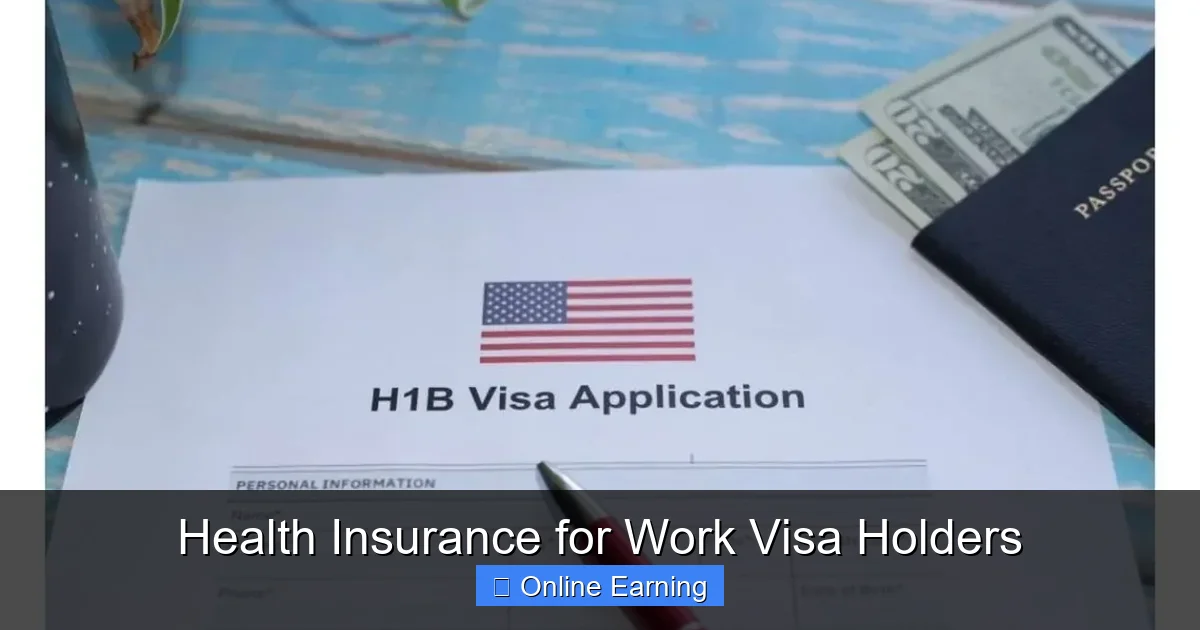
Visual guide about Health Insurance for Work Visa Holders
Image source: allaboutcareers.com
Health insurance for work visa holders is a type of medical coverage designed specifically for individuals legally employed in a foreign country. Unlike tourists or visitors, who may rely on short-term travel insurance, work visa holders are expected to have ongoing, comprehensive health protection. This insurance helps cover doctor visits, hospital stays, prescriptions, and sometimes even mental health services.
In many countries, the government or employer mandates this insurance to ensure that foreign workers don’t become a financial burden on public healthcare systems. For example, in Canada, work permit holders must often show proof of health insurance before receiving a work visa. Similarly, in the U.S., some visa categories require a letter of “no public charge,” which includes having health insurance.
The key difference between health insurance for work visa holders and other types of coverage is its long-term nature and compliance focus. It’s not just about getting treated—it’s about staying legally compliant and financially secure over the duration of your employment.
Why Is Health Insurance Required for Work Visas?
Visual guide about Health Insurance for Work Visa Holders
Image source: parentsupervisa.ca
The requirement for health insurance with a work visa exists for several important reasons. First and foremost, it ensures that foreign workers have access to necessary medical care without relying on emergency services or public funds. Countries want to protect their healthcare systems from being overwhelmed by non-residents who might use up resources without contributing.
Second, health insurance reduces the risk of “public charge” issues. In countries like the U.S., immigration officials assess whether a person is likely to depend on government assistance. Having health insurance demonstrates financial responsibility and reduces the chance of your visa being denied or revoked.
Third, it promotes public safety. If a worker gets seriously ill or injured, untreated conditions can spread disease or lead to long-term disability. Insurance helps prevent these outcomes by enabling early diagnosis and treatment.
Finally, it’s a fair system. Just like local workers, visa holders are expected to contribute to the social safety net. In return, they receive access to quality healthcare during their stay.
Types of Health Insurance Available for Work Visa Holders

Visual guide about Health Insurance for Work Visa Holders
Image source: parentsupervisa.ca
Not all health insurance plans are created equal, and the type you choose depends on your country, employer, and visa category. Here are the most common options:
1. Employer-Sponsored Health Insurance
Most companies offer group health plans to their employees, including foreign workers. These plans are usually more affordable because the cost is shared between employer and employee. Coverage often includes doctor visits, hospitalization, emergency care, and sometimes dental and vision.
For example, a software engineer moving to Germany under a Blue Card may receive health insurance through their employer, which is required by law. Similarly, in the U.S., many H-1B visa holders get coverage through their U.S.-based company.
2. National Health Insurance
Some countries require all workers—regardless of nationality—to enroll in the national health system. In countries like Canada, the UK, and Australia, work visa holders may be eligible for public health coverage after a waiting period.
For instance, in Canada, work permit holders can apply for provincial health insurance (like OHIP in Ontario) after three months of residency. However, some provinces require private insurance during that waiting period.
3. Private Health Insurance Plans
If your employer doesn’t offer coverage or if national insurance isn’t available, you may need to purchase a private plan. These are often more expensive but offer greater flexibility and faster access to care.
Private insurers like Cigna, AXA, or Allianz offer international health plans tailored for expatriates and work visa holders. These plans typically cover medical treatment, emergency evacuation, and sometimes even repatriation.
4. Travel Insurance (Not Recommended Long-Term)
While travel insurance is useful for short trips, it’s not sufficient for long-term work visa holders. Most travel plans exclude pre-existing conditions, have short durations (e.g., 30–90 days), and don’t meet visa requirements. Relying on travel insurance can lead to denial of entry or visa cancellation.
How to Choose the Right Health Insurance Plan
Choosing the right health insurance plan can feel overwhelming, but breaking it down into steps makes it manageable. Here’s how to pick a plan that fits your needs:
Step 1: Check Visa Requirements
Start by reviewing the health insurance requirements for your specific visa type. For example, in the UAE, work visa holders must have health insurance that covers hospitalization and outpatient services. In the U.S., some visa categories require a minimum coverage amount to avoid public charge concerns.
Step 2: Compare Coverage Options
Look for plans that cover:
– Doctor visits and specialist consultations
– Hospitalization and surgery
– Prescription medications
– Emergency medical evacuation
– Repatriation (returning your body home if you die abroad)
– Mental health services
– Pre-existing conditions (if applicable)
Avoid plans with high deductibles or limited networks unless you’re confident you’ll use them.
Step 3: Consider Network and Accessibility
Choose a plan with a wide network of hospitals and clinics in your area. If you’re in a rural area, make sure emergency care is accessible. Also, check if the plan allows you to see specialists without referrals.
Step 4: Evaluate Costs
Compare premiums, deductibles, copays, and out-of-pocket maximums. A lower premium might sound attractive, but if the deductible is high, you could end up paying more when you need care.
Step 5: Read the Fine Print
Pay attention to exclusions, waiting periods, and renewal terms. Some plans exclude dental, vision, or maternity care. Others require you to be continuously employed to keep coverage.
Step 6: Seek Help When Needed
If you’re unsure, consult an insurance broker or your HR department. Many employers offer assistance in selecting and enrolling in health plans.
Common Mistakes to Avoid
Even experienced workers make mistakes when it comes to health insurance. Avoid these pitfalls to stay protected:
Mistake 1: Assuming All Insurance Is the Same
Just because a plan is called “health insurance” doesn’t mean it meets visa requirements. Some are too basic or short-term to be accepted.
Mistake 2: Waiting Until You’re Sick
Many plans have waiting periods for certain treatments. Enroll as soon as you arrive to avoid gaps in coverage.
Mistake 3: Ignoring Pre-Existing Conditions
If you have a chronic condition like diabetes or hypertension, confirm whether your plan covers it. Some plans exclude these conditions or impose waiting periods.
Mistake 4: Not Understanding Renewal Rules
Some plans auto-renew but increase premiums significantly. Always review renewal terms and compare options before committing.
Mistake 5: Relying on Travel Insurance
As mentioned earlier, travel insurance is not a substitute for long-term health coverage. It’s meant for short trips, not full-time work.
Health Insurance Across Popular Work Visa Countries
Different countries have different rules. Here’s a quick overview of how health insurance works in some popular destinations:
United States
In the U.S., health insurance is not federally required for all workers, but some visa types (like L-1 or H-1B) may need to prove they won’t become a public charge. Employer-sponsored plans are common, but you can also buy individual plans through the Health Insurance Marketplace or private insurers. Note: U.S. public hospitals may deny care without proof of insurance.
Canada
Work permit holders must have health insurance until they qualify for provincial coverage. For example, in Ontario, you need private insurance for the first three months. After that, you can apply for OHIP. Some provinces require proof of insurance before issuing a work permit.
United Kingdom
The UK National Health Service (NHS) provides free care to all legal residents, including work visa holders. However, you may need to pay an Immigration Health Surcharge (IHS) when applying for a visa. This gives you access to NHS services, but private insurance is still recommended for faster access and coverage outside the NHS.
Germany
Germany requires all employees—including foreign workers—to have public health insurance. This is mandatory and paid through payroll deductions. Private insurance is an option only for higher-income earners, but it’s complex and often more expensive.
United Arab Emirates
The UAE mandates health insurance for all work visa holders. Employers usually arrange it, covering hospitalization, outpatient care, and sometimes dental and vision. Plans must meet government minimum standards, and failure to enroll can result in fines or visa cancellation.
Australia
Work visa holders in Australia must have health insurance. While Medicare provides basic coverage, many opt for private health insurance to access faster treatment and extras like dental and physiotherapy.
Tips for Managing Your Health Insurance While Working Abroad
Once you’re enrolled, here’s how to make the most of your health insurance:
1. Carry Your Insurance Card
Always have your insurance ID card and policy number with you. Keep digital copies on your phone and physical copies in your wallet.
2. Know How to File a Claim
If you pay out-of-pocket, keep all receipts and submit them for reimbursement. Some plans allow online claims; others require paper forms.
3. Use In-Network Providers
Sticking to network doctors and hospitals reduces your out-of-pocket costs. Check your plan’s directory before scheduling appointments.
4. Understand Emergency Procedures
If you need emergency care, go to the nearest hospital. Most plans cover emergency treatment regardless of network status.
5. Update Your Information
Notify your insurer if you change jobs, move, or change visa status. This ensures your coverage remains valid.
6. Stay Informed About Changes
Health insurance rules can change. Subscribe to your insurer’s newsletter or check government websites for updates.
7. Consider a Health Savings Account (HSA)
In countries like the U.S., an HSA lets you save tax-free money for medical expenses. This is especially useful for high-deductible plans.
Conclusion: Your Health, Your Rights, Your Future
Health insurance for work visa holders isn’t just a bureaucratic formality—it’s a lifeline. It protects your health, your wallet, and your legal status in your new country. Whether you’re building a career in tech, medicine, or engineering abroad, having the right insurance means you can focus on your work and your life, not on medical bills or visa troubles.
Take the time to understand your options, compare plans, and enroll early. Don’t wait until you’re sick or in an emergency to figure it out. With the right coverage, you’re not just meeting a requirement—you’re investing in your peace of mind and long-term success.
Remember: your health is your most valuable asset. Protect it, plan for it, and don’t leave it to chance. Wherever your work takes you, make sure you’re covered.
Frequently Asked Questions
Do I really need health insurance for my work visa?
Yes, in most countries, health insurance is a mandatory requirement for work visa holders. It ensures you have access to medical care and helps you avoid legal or financial penalties.
Can my employer provide health insurance for my work visa?
Yes, many employers offer group health insurance to their employees, including foreign workers. This is often the easiest and most affordable option, but make sure it meets visa requirements.
What happens if I don’t have health insurance?
You may face fines, visa cancellation, denial of entry, or denial of medical care. In some countries, you could even be deported for non-compliance.
Does health insurance cover pre-existing conditions?
It depends on the plan. Some cover pre-existing conditions immediately, while others have waiting periods or exclusions. Always read the policy details or ask your insurer.
Can I use my home country’s health insurance abroad?
Most domestic plans don’t cover you internationally. You’ll need a plan that’s valid in your host country and meets visa requirements.
How do I renew my health insurance?
Renewal terms vary by provider. Check your policy for automatic renewal clauses and compare options before your plan renews to avoid surprises.