The Germany Blue Card is a fast-track work visa designed for skilled professionals with university degrees. It offers a clear path to permanent residency and German citizenship, with a residency requirement as low as 21 months. With streamlined processing and high demand, it’s one of the most attractive work visas in Europe.
Key Takeaways
- Eligibility Based on Qualifications: You must have a recognized university degree and a job offer with a minimum salary threshold (€45,300 in 2024, or €39,624 for shortage occupations).
- Fast-Track Residency: After 21 months of employment, you can apply for permanent residency if you have sufficient German language skills (B1 level).
- No Labor Market Test Required: Unlike other visas, the Blue Card bypasses the need for a labor market test, making it faster to obtain.
- Pathway to Citizenship: After five years of legal residence, you may apply for German citizenship, provided you meet language and integration requirements.
- Family Reunification: Spouses and children can join you in Germany, with access to education and work opportunities.
- High Demand in Tech and Engineering: Fields like IT, engineering, and healthcare are in high demand, increasing your chances of approval.
- Processing Time Varies: Processing typically takes 4–12 weeks, depending on your home country and consulate workload.
📑 Table of Contents
- Germany Blue Card Visa Requirements: Your Complete Guide to Working and Living in Germany
- What Is the Germany Blue Card?
- Who Is Eligible for the Germany Blue Card?
- Required Documents for the Germany Blue Card Application
- How to Apply for the Germany Blue Card
- Living and Working in Germany on a Blue Card
- Pathway to Permanent Residency and Citizenship
- Tips for a Successful Blue Card Application
- Common Mistakes to Avoid
- Conclusion: Is the Germany Blue Card Right for You?
Germany Blue Card Visa Requirements: Your Complete Guide to Working and Living in Germany
Thinking about a career move to Europe? Germany might just be the dream destination you’ve been searching for. Known for its strong economy, innovative industries, and excellent quality of life, Germany consistently ranks as one of the most attractive countries for skilled professionals worldwide. But how do you get there?
Enter the Germany Blue Card — a special visa designed specifically for highly qualified individuals. It’s not just another work permit; it’s a golden ticket to fast-track residency, work legally, and eventually call Germany home. In this article, we’ll walk you through everything you need to know about the Germany Blue Card visa requirements — from eligibility and documents to application tips and life in Germany. Whether you’re a software engineer, a healthcare professional, or a university graduate in a STEM field, this guide is your go-to resource.
What Is the Germany Blue Card?
The Germany Blue Card is a highly skilled work visa introduced in 2012 to attract qualified professionals from outside the EU. It’s modeled after the EU Blue Card system and is available to non-EU citizens who meet specific academic and professional criteria. The goal? To fill skill gaps in Germany’s labor market and boost innovation.
Visual guide about Germany Blue Card Visa Requirements
Image source: techsavvyimmigration.com
What makes the Blue Card special is its accelerated pathway to permanent residency. Most work visas require five years before you can apply for residency, but with the Blue Card, you can apply after just 21 months — provided you have basic German language skills (B1 level). That’s a huge advantage if you’re planning long-term in Germany.
Who Is Eligible for the Germany Blue Card?
Not everyone qualifies for the Blue Card, but if you’re a skilled professional, you might be in luck. Let’s break down the key eligibility criteria.
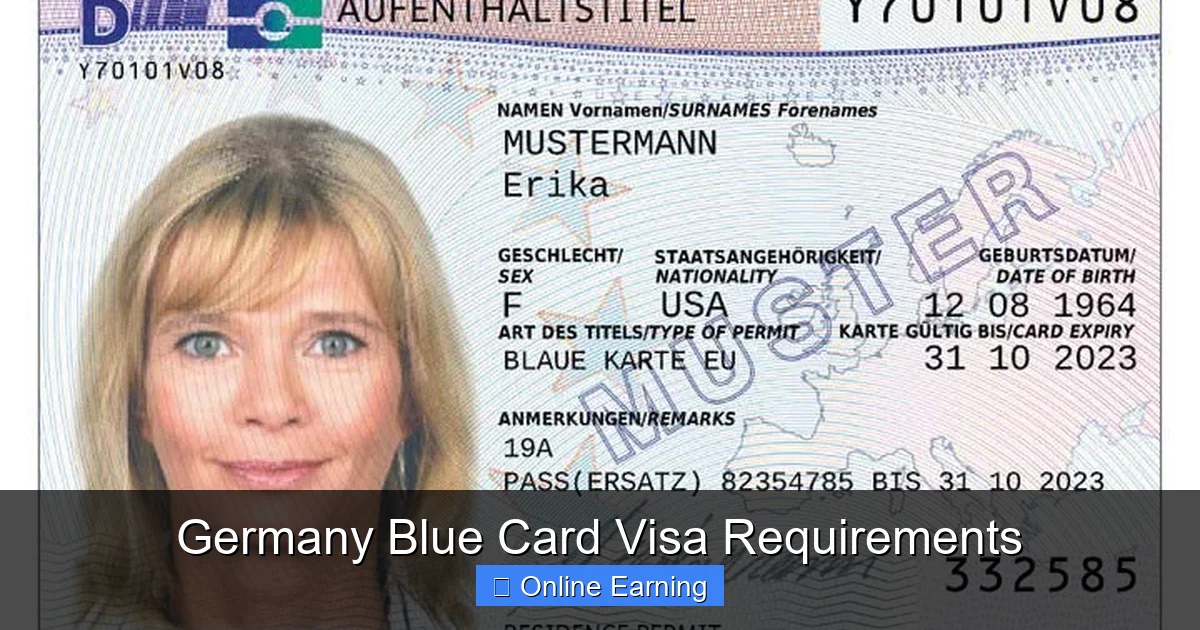
Visual guide about Germany Blue Card Visa Requirements
Image source: confabs.de
1. A Recognized University Degree
You must hold a university degree from a recognized institution. This doesn’t have to be in Germany — your degree from your home country just needs to be equivalent to a German bachelor’s or master’s degree. If you’re unsure, you can get your diploma evaluated by a German credential evaluation service like uni-assist.
Example: If you studied computer science at a reputable university in India and your degree is recognized by the Indian government, you can submit it for evaluation. Once approved, it’s considered valid for the Blue Card application.
2. A Valid Job Offer
You need a formal job offer from a German employer. The job must be professionally qualifying — meaning it aligns with your degree. For example, if you studied civil engineering, you can’t apply for the Blue Card with a marketing job.
The salary plays a big role here. In 2024, the minimum salary threshold is €45,300 per year for most professions. However, if your job is on the shortage occupations list (like IT, nursing, or engineering), the threshold drops to €39,624.
Tip: Check the latest shortage occupations list on the German Federal Employment Agency’s website. If your job is on the list, you’re more likely to get approved and save money.
3. No Criminal Record
You must provide a clean criminal record certificate from your home country and any country where you’ve lived for more than six months in the past five years. This is standard for all German visa applications.
Required Documents for the Germany Blue Card Application
Getting your documents in order is one of the most important steps. Missing paperwork can delay or even reject your application. Here’s a checklist of what you’ll need.
Visual guide about Germany Blue Card Visa Requirements
Image source: alonereaders.com
1. Valid Passport
Your passport must be valid for at least three months beyond your intended stay in Germany. Make sure all pages are intact and not damaged.
2. Job Contract
Your employer must provide a signed employment contract that includes:
- Job title and description
- Start date and duration (at least two years)
- Monthly or annual salary (must meet the Blue Card threshold)
- Working hours and location
3. University Degree and Transcripts
Submit certified copies of your degree and transcripts. If they’re in a language other than German or English, you’ll need official translations. Some applications also require apostilles (certification under the Hague Convention) for authenticity.
4. Proof of Health Insurance
You must have valid health insurance that covers you in Germany. Private insurance is acceptable, but it must meet German standards. Public insurance is also an option, especially if your employer contributes.
5. Proof of Accommodation in Germany
You need to show that you have a place to live in Germany. This could be:
- A rental agreement
- A confirmation from your employer (if they’re providing housing)
- A letter from a friend or relative (less common and harder to prove)
6. German Language Skills (Optional but Recommended)
While you don’t need to know German to get the Blue Card, having basic language skills (A1 or higher) can help with integration and future residency applications. Some employers may even offer language training.
How to Apply for the Germany Blue Card
The application process is straightforward but requires careful attention. Here’s a step-by-step guide.
Step 1: Secure a Job Offer
This is the first and most crucial step. Without a job offer from a German employer, you can’t apply. Start by networking, using platforms like LinkedIn, or applying through German job portals such as StepStone or Indeed Germany.
Pro Tip: Tailor your CV to the German market. Germans value clear, concise resumes with a focus on skills and achievements, not just job descriptions.
Step 2: Get Your Documents Ready
As mentioned earlier, gather all required documents. Use a checklist to avoid missing anything. If your documents aren’t in German or English, get them translated by a certified translator.
Step 3: Submit Your Application
You must apply at a German consulate or embassy in your home country. You cannot apply online or in Germany before you arrive.
Book an appointment in advance — wait times can be long, especially in high-demand countries like India, Nigeria, or the Philippines.
Step 4: Attend the Visa Interview
During the interview, you’ll present your documents and answer questions about your job, qualifications, and plans in Germany. Be honest and confident.
Step 5: Wait for Approval
Processing time is usually 4 to 12 weeks, depending on your country. Once approved, you’ll receive your Blue Card, which is a biometric residence permit.
Step 6: Move to Germany
After arriving in Germany, you must register your address at the local residents’ registration office (Einwohnermeldeamt) within two weeks. You’ll also need to get a tax number and possibly open a German bank account.
Living and Working in Germany on a Blue Card
Once you’re in Germany, life is surprisingly easy. The country is known for its efficiency, safety, and work-life balance. Here’s what to expect.
Work Culture
German workplaces value punctuality, professionalism, and collaboration. Most employees work 8–9 hours a day, with a one-hour lunch break. Weekends are sacred — most businesses are closed on Saturday and Sunday.
Language
While English is widely spoken in cities and tech companies, learning German is highly recommended. It opens doors to more jobs, helps with daily life, and speeds up your path to permanent residency.
Healthcare
Germany has one of the best healthcare systems in the world. Once you’re registered, you’ll get a Krankenkasse (health insurance card) and can visit any doctor or hospital.
Education and Childcare
If you have children, Germany offers free or low-cost public education. Childcare is also affordable, with subsidies available for working parents.
Integration Courses
As a Blue Card holder, you’re eligible for free German language courses and integration programs. These are offered by the government and help you learn the language, understand German culture, and meet people.
Pathway to Permanent Residency and Citizenship
One of the biggest benefits of the Blue Card is the fast-track route to permanent residency.
After 21 Months
If you’ve lived in Germany legally and have B1 German language skills, you can apply for settlement permit (Niederlassungserlaubnis) — essentially permanent residency.
After 5 Years
After five years of legal residence, you can apply for German citizenship, provided you:
- Speak fluent German (C1 level)
- Have no serious criminal record
- Can prove you’ve lived in Germany continuously
Once you’re a citizen, you can vote, run for office, and travel freely within the EU.
Tips for a Successful Blue Card Application
Here are some practical tips to boost your chances of success.
- Start Early: Don’t wait until the last minute. Give yourself 3–6 months to prepare documents and secure a job.
- Choose the Right City: Berlin, Munich, and Frankfurt are great for jobs, but smaller cities like Leipzig or Nuremberg have lower living costs and high demand for skilled workers.
- Network: Join professional groups on LinkedIn or attend job fairs in Germany. Many companies hire directly through these channels.
- Learn German: Even basic skills can make a big difference. Use apps like Duolingo or Babbel to start learning.
- Stay Updated: Visa rules can change. Check the official German government website regularly for updates.
Common Mistakes to Avoid
Even experienced professionals make mistakes. Here are some common pitfalls.
- Underestimating the Salary Threshold: Don’t assume your job qualifies unless the salary meets the Blue Card minimum.
- Using Unofficial Translations: Always use certified translators and apostilles for your documents.
- Applying Without a Job Offer: You must have a job before applying — no exceptions.
- Ignoring Language Requirements for Residency: Remember, B1 German is required after 21 months for permanent residency.
Conclusion: Is the Germany Blue Card Right for You?
The Germany Blue Card is more than just a visa — it’s a life-changing opportunity for skilled professionals. With its fast-track residency, high demand for talent, and excellent quality of life, it’s one of the best work visas in the world. Whether you’re a tech expert, a nurse, or an engineer, Germany is waiting for you.
But remember, success starts with preparation. Make sure you meet the requirements, gather your documents, and apply through the proper channels. With the right mindset and planning, your dream of working and living in Germany can become a reality.
So, what are you waiting for? Start preparing today — your future in Germany is just a visa away.
Frequently Asked Questions
What is the salary threshold for the Germany Blue Card in 2024?
In 2024, the minimum salary for the Germany Blue Card is €45,300 per year. For jobs on the shortage occupations list (like IT or nursing), the threshold is €39,624. This ensures you’re paid fairly and qualify for the visa.
Can I apply for the Blue Card from inside Germany?
No, you must apply at a German consulate or embassy in your home country before arriving in Germany. Once you’re in the country, you can only apply for a regular residence permit if you don’t qualify for the Blue Card.
Do I need to know German to get the Blue Card?
No, you don’t need to know German to apply for the Blue Card. However, you’ll need B1 German language skills after 21 months to apply for permanent residency. Learning German is highly recommended for integration and career growth.
How long does it take to process a Blue Card application?
Processing typically takes 4 to 12 weeks, depending on your home country and consulate workload. It’s best to apply well in advance of your intended move date.
Can my family join me in Germany on a Blue Card?
Yes, your spouse and dependent children can join you. They’ll receive a family reunification visa and can live, study, and work in Germany. They’ll also have access to public healthcare and education.
What happens if my job offer is terminated?
If your job ends, you must find a new job that meets Blue Card requirements within three months. Otherwise, you may lose your residence permit. It’s important to stay employed and compliant with visa rules.