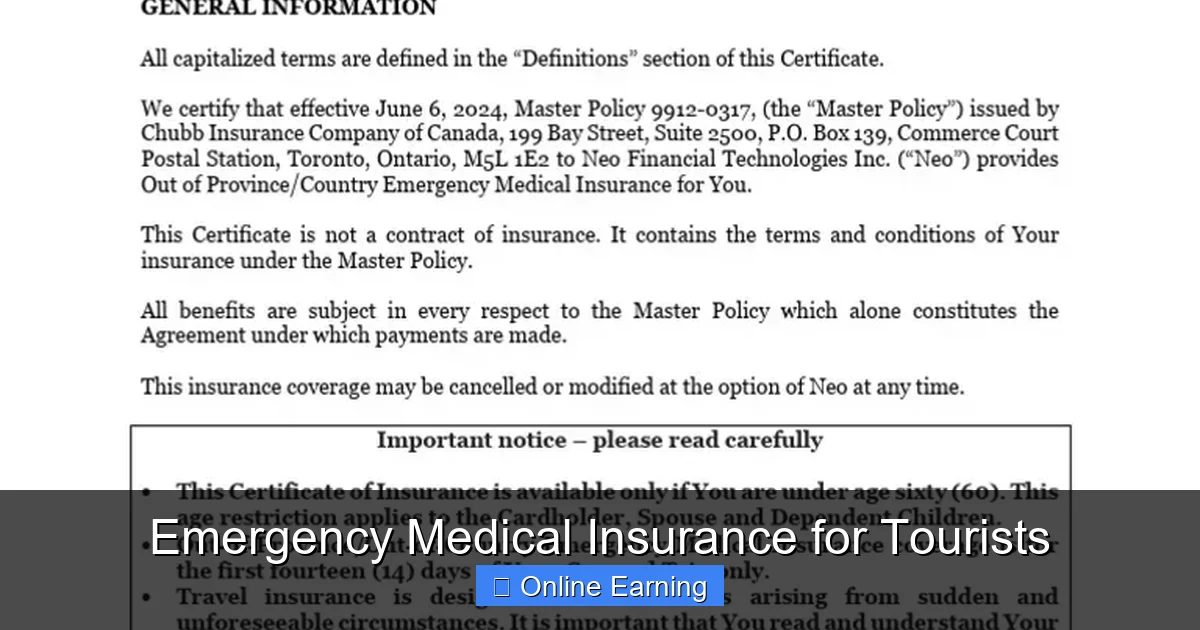
Emergency medical insurance for tourists is a must-have when traveling abroad. It covers unexpected health emergencies, protects your wallet from surprise bills, and gives you peace of mind. Without it, a simple illness or injury could lead to financial disaster or even forced repatriation.
Key Takeaways
- Essential for International Travel: Even in developed countries, public healthcare systems often require upfront payment or offer limited coverage, leaving tourists vulnerable.
- Covers Major Medical Expenses: Emergency medical insurance typically includes hospital stays, surgeries, emergency care, and sometimes repatriation or evacuation.
- Affordable and Quick to Obtain: Most policies cost less than $100 for a two-week trip and can be purchased online in minutes.
- Required by Some Countries: Visa requirements for destinations like Schengen Zone, Australia, and the UAE mandate proof of insurance before entry.
- Not a Substitute for Travel Insurance: While it covers medical needs, it doesn’t protect against trip cancellations, lost luggage, or flight delays.
- Read the Fine Print: Coverage limits, exclusions (like pre-existing conditions), and network hospitals vary widely—always compare policies.
- Digital Policies Are the Norm: Most insurers send e-documents instantly—no need to carry physical cards; apps make claims easy.
📑 Table of Contents
- Why Emergency Medical Insurance for Tourists Is a Game-Changer
- What Is Emergency Medical Insurance for Tourists?
- Who Needs Emergency Medical Insurance for Tourists?
- How to Choose the Best Emergency Medical Insurance for Tourists
- Top Providers of Emergency Medical Insurance for Tourists
- How to File a Claim
- Common Myths About Emergency Medical Insurance for Tourists
- Real-Life Scenarios: How Emergency Medical Insurance Made a Difference
- Final Thoughts: Don’t Wait Until It’s Too Late
Why Emergency Medical Insurance for Tourists Is a Game-Changer
Picture this: You’re hiking through the Swiss Alps, enjoying the crisp mountain air, when suddenly you twist your ankle badly. The pain is sharp, and you can barely walk. You’re in a foreign country, miles from home, and the nearest hospital is 30 minutes away. Now imagine that same scenario in a developing country where medical care is expensive, and you don’t speak the language. Without emergency medical insurance for tourists, that one injury could leave you with a hospital bill that’s more than your annual salary.
Travel is supposed to be about exploration, relaxation, and unforgettable memories. But accidents happen—sometimes in the most inconvenient places. A sudden illness, a fall on unfamiliar terrain, or even a heart attack can turn your dream trip into a nightmare if you’re not protected. That’s where emergency medical insurance for tourists comes in. It’s not the most glamorous part of travel planning, but it’s one of the most important. Think of it as a safety net—lightweight, affordable, and packed with life-saving benefits.
In this guide, we’ll walk you through everything you need to know about emergency medical insurance for tourists. From what it covers and why it matters, to how to pick the right plan and file a claim, we’ve got you covered. Whether you’re backpacking across Europe, relaxing on a Caribbean beach, or exploring Asia on a tight budget, this insurance can be the difference between a smooth trip and a medical crisis.
What Is Emergency Medical Insurance for Tourists?
Visual guide about Emergency Medical Insurance for Tourists
Image source: emergencymedicalinsurance.ca
Emergency medical insurance for tourists is a type of coverage designed specifically for travelers outside their home country. Unlike regular health insurance, which typically only covers care within your home country or requires you to pay out of pocket and seek reimbursement later, tourist medical insurance pays directly to hospitals or providers abroad—often in local currency.
How Is It Different From Regular Health Insurance?
Most people assume their regular health insurance will cover them while traveling. But here’s the catch: many domestic health plans don’t cover international care at all. Even if they do, they often require you to pay upfront and then file a reimbursement claim—a process that can take weeks or even months. In an emergency, you don’t want to wait. Tourist medical insurance solves this by offering direct billing in many cases, so you don’t have to worry about cash upfront.
What Does It Typically Cover?
The core of emergency medical insurance for tourists includes:
- Hospitalization: Covers room charges, surgeries, and intensive care.
- Emergency Medical Treatment: Includes doctor visits, diagnostic tests, and urgent care.
- Repatriation: Transfers you back to your home country if you’re too ill to travel.
- Medical Evacuation: Air or land transport to the nearest adequate medical facility, even in remote areas.
- Prescription Drugs: Some plans cover essential medications during your trip.
- Dental Emergencies: Broken teeth or infections that require immediate attention.
Some policies also include accidental death or dismemberment benefits, which pay a lump sum if you suffer a covered loss. However, these are usually secondary benefits and not the main focus.
Who Needs Emergency Medical Insurance for Tourists?
Visual guide about Emergency Medical Insurance for Tourists
Image source: urbaninsuranceagency.com
You might be thinking, “I’m healthy, I’m careful—why do I need it?” And that’s fair. But the truth is, no one plans for emergencies. Whether you’re a solo traveler, a family on vacation, or a businessperson on a quick trip, unexpected medical issues can strike anyone.
Travelers to High-Risk Destinations
If you’re heading to countries with less developed healthcare systems—such as Thailand, India, or parts of Africa—emergency medical insurance is not optional. In these regions, a minor infection could lead to a costly hospitalization, and without insurance, you could be responsible for thousands in medical bills.
Adventure and Sports Enthusiasts
Are you planning to go scuba diving in the Maldives, trekking in Nepal, or skiing in the Alps? These activities carry inherent risks. If you suffer a diving accident or a ski injury, medical care can be extremely expensive—especially if it requires helicopter evacuation or specialized treatment. A good tourist medical plan covers these high-risk scenarios.
Visa Requirement Travelers
Many countries now require proof of emergency medical insurance as part of their visa application. For example:
- Schengen Zone (Europe): All visa applicants must show coverage of at least €30,000 for medical emergencies.
- Australia: Visitors must have health insurance that covers them for the duration of their stay.
- UAE: Some tourist visas require medical insurance, especially for long-term stays.
Without it, your visa could be denied—or worse, you might be turned away at the border.
Frequent and Budget Travelers
Even if you travel infrequently, the cost of a medical emergency abroad can be devastating. For budget travelers, a single hospital stay in places like Mexico or Turkey can cost over $5,000. Emergency medical insurance for tourists costs a fraction of that—sometimes as little as $10 for a week-long trip—and could save you thousands.
How to Choose the Best Emergency Medical Insurance for Tourists
Visual guide about Emergency Medical Insurance for Tourists
Image source: primelinkinsurance.ca
With so many options online, picking the right plan can feel overwhelming. But don’t worry—we’ll break it down into simple steps.
1. Know Your Destination and Duration
Your travel plans should guide your choices. A two-week trip to Spain needs less coverage than a six-month backpacking adventure through Southeast Asia. Also, consider the country’s healthcare quality. A short stay in Canada might be safer with basic coverage, while a month in India might require higher limits and repatriation benefits.
2. Check Coverage Limits and Maximums
Look for policies that offer at least $100,000 in medical coverage. Some high-end plans go up to $1 million or more. Make sure the policy covers:
- Hospital stays (daily limits)
- Emergency surgery
- Repatriation and evacuation
- Prescription medications
Avoid plans with low maximums—they might seem affordable, but they won’t protect you in a real emergency.
3. Understand Pre-Existing Condition Clauses
Many tourist medical plans exclude pre-existing conditions unless you buy a “waiver” or upgrade. If you have diabetes, hypertension, or a history of heart issues, make sure your plan covers these conditions. Some insurers allow you to add coverage for pre-existing conditions for an extra fee.
4. Look for Direct Billing and Global Networks
The best plans offer direct billing with hospitals worldwide. This means you won’t have to pay out of pocket and then wait for reimbursement. Instead, the insurer pays the hospital directly. Check if the provider has a strong network in your destination country.
5. Read the Fine Print
Exclusions are common. For example:
- Self-inflicted injuries
- War or political unrest
- Substance abuse or alcohol-related incidents
- Participation in illegal activities
Make sure you understand what’s covered and what’s not. If something seems unclear, contact the insurer before you go.
6. Consider Add-Ons
Some plans let you add extras like:
- Trip interruption or delay
- Lost luggage
- Travel assistance (24/7 helpline)
- Adventure sports coverage
While these aren’t part of emergency medical insurance per se, they can enhance your overall protection.
Top Providers of Emergency Medical Insurance for Tourists
Not all insurers are created equal. Here are some of the most trusted names in the industry:
World Nomads
Known for flexible, adventure-friendly policies, World Nomads covers everything from hiking in Patagonia to scuba diving in the Philippines. They offer worldwide coverage, allow policy extensions, and have a strong reputation among digital nomads and long-term travelers.
IMG (International Medical Group)
IMG is a global leader with over 30 years of experience. Their plans are comprehensive, with high coverage limits and access to a vast network of hospitals and clinics. They also offer travel assistance services 24/7.
Allianz Global Assistance
A household name in travel insurance, Allianz offers robust emergency medical coverage with easy online claims. Their plans are ideal for families and frequent flyers, and they partner with major airlines and travel agencies.
Travel Guard (by AIG)
Travel Guard provides customizable plans with optional medical coverage. They’re known for fast claims processing and excellent customer service, especially for last-minute travelers.
AXA Travel Insurance
AXA offers affordable, no-frills emergency medical plans that are perfect for short trips. They’re especially popular among European travelers due to their Schengen compliance.
How to File a Claim
Even the best plan won’t help if you don’t know how to file a claim. Here’s a step-by-step guide:
Step 1: Get Medical Attention
Go to a hospital or clinic immediately. Keep all receipts, medical reports, and bills.
Step 2: Notify Your Insurer
Most insurers require you to call their 24/7 assistance number or submit a claim online within 24–48 hours of treatment.
Step 3: Submit Documentation
You’ll need:
- Medical reports
- Itemized bills
- Proof of payment
- Travel documents (passport, visa)
Step 4: Wait for Approval
Processing times vary—some insurers pay within 24 hours, others take a few days. If you paid out of pocket, you’ll be reimbursed via bank transfer or check.
Pro Tip:
Keep digital copies of everything. Use apps like Google Drive or email to store documents so you can access them from anywhere.
Common Myths About Emergency Medical Insurance for Tourists
Let’s clear up some misconceptions.
Myth 1: “I’m Covered by My Credit Card”
Some credit cards offer “travel protection,” but this usually covers trip cancellation, not medical emergencies. And the coverage is often minimal. Always verify what your card includes.
Myth 2: “My Home Country’s Health Insurance Covers Me”
As mentioned earlier, most domestic plans don’t cover international care. Even if they do, reimbursement can take months.
Myth 3: “It’s Too Expensive”
For a two-week trip to Europe, you can get $100,000 in coverage for under $50. That’s less than a fancy dinner—and far more valuable than any meal.
Myth 4: “I’m Too Healthy to Need It”
Medical emergencies don’t discriminate. Even the healthiest person can fall ill or get injured abroad.
Real-Life Scenarios: How Emergency Medical Insurance Made a Difference
Case Study 1: The Hiker in Nepal
Sarah, a 32-year-old teacher, was trekking in the Himalayas when she suffered severe altitude sickness. She was evacuated by helicopter to Kathmandu, where she spent two weeks in ICU. Her emergency medical insurance covered $45,000 in medical bills and repatriated her safely home. Without it, she would have faced financial ruin.
Case Study 2: The Business Traveler in Dubai
David, a software engineer, collapsed at a Dubai conference due to a heart attack. Thanks to his tourist medical plan, he received immediate treatment and was stabilized before being flown back to the U.S. His insurer paid the $120,000 hospital bill directly—no paperwork, no stress.
Case Study 3: The Family in Thailand
A family of four was enjoying a beach vacation when their youngest child swallowed a button battery. The local hospital treated them, but the bill came to $8,000. Their insurance covered it all—plus emergency dental care for a broken tooth from a fall.
These stories aren’t rare. They’re proof that emergency medical insurance for tourists isn’t just a formality—it’s a lifeline.
Final Thoughts: Don’t Wait Until It’s Too Late
Traveling without emergency medical insurance is like driving without seatbelts—it might seem unnecessary until it’s too late. The peace of mind it provides is priceless. You can hike, explore, and relax knowing that if something goes wrong, you’re protected.
When choosing a plan, prioritize coverage over cost. A few dollars saved today could lead to thousands in debt tomorrow. And remember, most policies can be purchased online in minutes—no medical exam required. That means even last-minute travelers are covered.
Before your next trip, do one thing: get a quote. Compare a few providers, read reviews, and pick a plan that fits your needs. Then pack your bags with confidence, knowing you’re prepared for whatever comes your way.
Safe travels—and may your adventures be as smooth as your coverage is solid.
Frequently Asked Questions
Is emergency medical insurance for tourists worth it?
Absolutely. Medical emergencies abroad can cost thousands of dollars, and even minor treatments can lead to surprise bills. Emergency medical insurance for tourists covers these costs, often with direct billing, so you don’t have to pay out of pocket. It’s a small price to pay for peace of mind and financial protection.
Do I need emergency medical insurance if I’m from the U.S. or Canada?
Yes. Even in the U.S. and Canada, public healthcare systems often require upfront payment or don’t cover tourists at all. Without insurance, you could face high hospital bills or be denied care. Emergency medical insurance ensures you’re covered wherever you go.
Can I buy emergency medical insurance after I arrive at my destination?
Yes, but it’s not recommended. Some insurers allow post-arrival purchases, but coverage may not start immediately, and pre-existing conditions might be excluded. It’s always best to buy before you leave.
Does emergency medical insurance cover pre-existing conditions?
It depends on the policy. Some plans exclude pre-existing conditions unless you buy a waiver. If you have a condition like diabetes or heart disease, make sure your plan covers it—or consider a specialized policy.
What happens if I need to be evacuated?
If you’re too ill or injured to travel, your emergency medical insurance may cover medical repatriation (returning you to your home country) or medical evacuation (transfer to a better-equipped facility). This service can cost tens of thousands of dollars—coverage is essential.
Can I use my emergency medical insurance for routine doctor visits?
Most emergency medical plans only cover urgent or emergency care. Routine check-ups, vaccinations, or elective procedures are typically excluded. For full coverage, consider adding trip insurance with broader benefits.