Moving abroad in 2026? This guide walks you through the latest visa rules and medical insurance options so you can live, work, or study overseas with confidence. From student visas to travel insurance, we cover everything you need to know in simple, clear steps.
Key Takeaways
- Visa types vary by purpose: Understand student, work, tourist, and transit visas to choose the right one for your goals.
- Medical insurance is mandatory for many visas: Countries like Australia, Canada, and the UK now require proof of health coverage.
- Compare international health plans: Look for coverage that includes emergency care, hospitalization, and repatriation.
- Digital visas simplify the process: Many countries offer e-visas or online applications to speed up approvals.
- Renewals and extensions matter: Keep track of deadlines to avoid overstaying and legal issues.
- Pre-departure health checks save money: Get vaccinated and check health requirements early.
- Online earning can offset costs: Consider remote work or online gigs to fund your visa and insurance.
📑 Table of Contents
- Complete Guide to Visa and Medical Insurance in 2026
- Why Visa and Medical Insurance Matter in 2026
- Types of Visas You Might Need in 2026
- Medical Insurance Essentials for 2026
- Step-by-Step Visa Application Process in 2026
- Online Earning: A Smart Way to Fund Your Visa and Insurance
- Common Mistakes to Avoid
- Conclusion: Your 2026 Abroad Plan Is Within Reach
Complete Guide to Visa and Medical Insurance in 2026
So, you’re dreaming of living, working, or studying abroad in 2026? Whether it’s for a semester in Europe, a tech job in Canada, or a volunteer trip in Southeast Asia, one thing is certain: you’ll need a visa and medical insurance. These two essentials aren’t just formalities—they’re your safety net and gateway to a smooth international experience.
But let’s be real—navigating visa rules and insurance policies can feel like solving a puzzle with missing pieces. That’s why we’ve put together this complete guide to visa and medical insurance in 2026. From understanding visa categories to picking the best health plan, we’ll break it all down in plain English. No jargon, no confusion. Just clear, practical advice to help you move abroad with confidence.
Why Visa and Medical Insurance Matter in 2026
Global mobility is easier than ever, thanks to digital systems and more open policies. But with great freedom comes great responsibility. In 2026, countries are tightening their requirements—especially when it comes to health and legal status. A valid visa proves you’re authorized to enter and stay, while medical insurance protects you (and the host country) from unexpected medical costs.
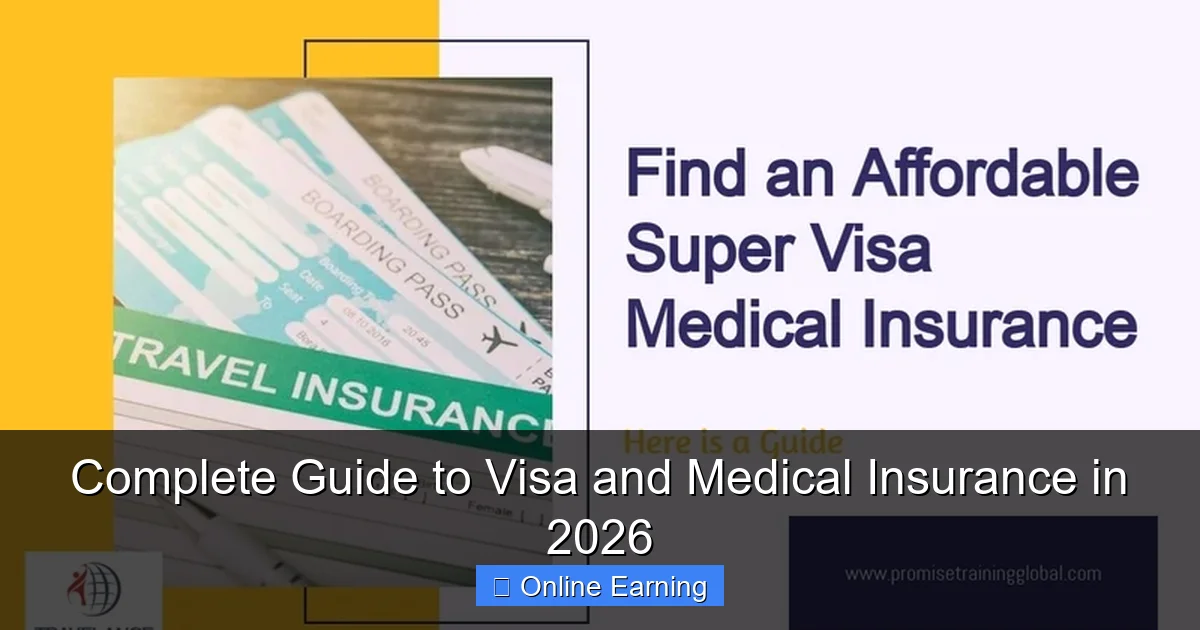
Visual guide about Complete Guide to Visa and Medical Insurance in 2026
Image source: insubuy.com
For example, Australia now requires international students to have Overseas Student Health Cover (OSHC) before their visa is approved. Similarly, the UK has made travel insurance mandatory for certain visa categories. And let’s not forget the rising cost of healthcare abroad—without insurance, a simple trip to the ER could cost thousands.
Types of Visas You Might Need in 2026
Not all visas are created equal. The type you apply for depends on your purpose: are you studying, working, visiting, or relocating long-term? Here’s a quick rundown of the most common visa types you’ll encounter in 2026.
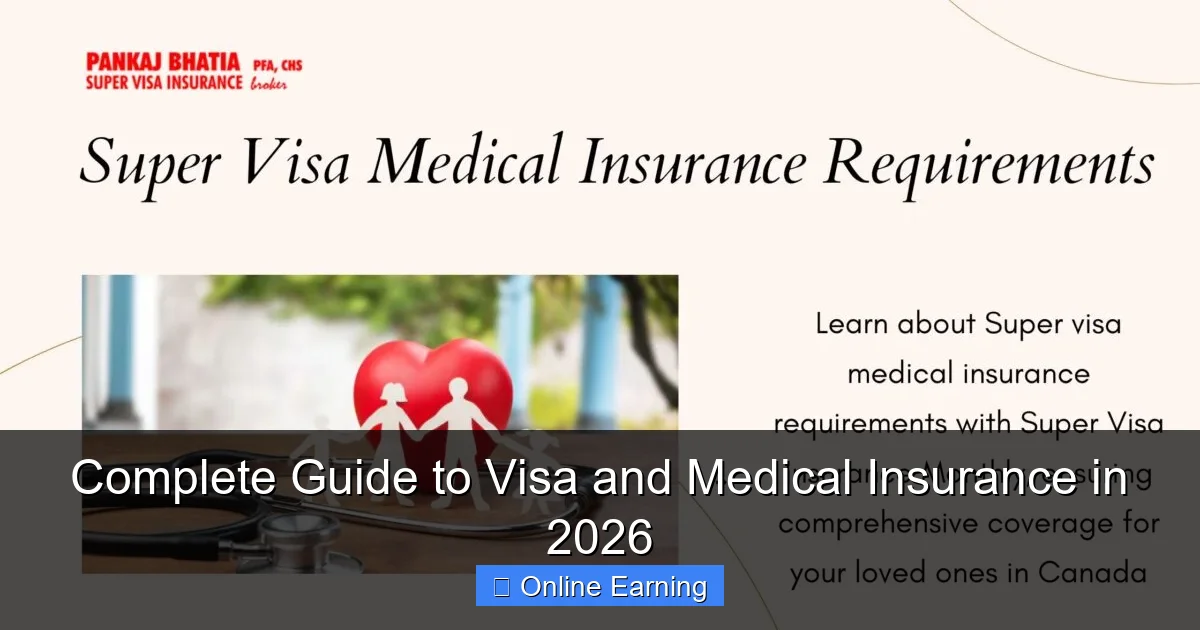
Visual guide about Complete Guide to Visa and Medical Insurance in 2026
Image source: supervisainsurancemonthly.ca
1. Student Visas
If you’re heading to school or university abroad, you’ll need a student visa. In 2026, countries like Canada, Germany, and New Zealand have streamlined their student visa processes with faster online applications and clearer requirements.
Example: A student from India applying for a master’s in Canada must show proof of admission, funds for tuition and living costs, and valid health insurance. Without OSHC or equivalent, their visa application will be rejected.
Tip: Apply early—some countries process student visas in 6–8 weeks. Also, check if your school offers group insurance plans; they’re often cheaper than individual policies.
2. Work Visas
Working abroad is a dream for many. In 2026, work visas are more competitive than ever, especially in tech hubs like the U.S., Australia, and Singapore. You’ll typically need a job offer, qualifications, and sometimes a labor market test.
Example: A software engineer from Brazil applying for a tech job in Germany will need a Blue Card visa. This requires a recognized degree, a job offer with a salary above a certain threshold, and health insurance coverage for the entire stay.
Tip: Some countries offer digital nomad visas—perfect for remote workers. Portugal, Estonia, and Thailand are leading the way with 1–2 year renewable visas for online earners.
3. Tourist and Transit Visas
For short trips or layovers, you’ll need a tourist or transit visa. These are usually easier to get but have strict time limits.
Example: A traveler from Nigeria visiting France for 90 days may need a Schengen visa. They must prove sufficient funds, travel insurance covering at least €30,000 in medical emergencies, and a return ticket.
Tip: Many countries now offer e-visas—apply online and get approval in days. Always check if your nationality requires one (even if you’re just transiting).
4. Permanent Residency and Citizenship Pathways
Some people aim for long-term stays or even citizenship. In 2026, programs like Canada’s Express Entry, Australia’s Skilled Migration, and New Zealand’s Residence Visa require proof of health insurance during processing.
Example: A nurse from the Philippines applying for permanent residency in Canada must undergo a medical exam and show they won’t become a public health burden. Health insurance during the application helps meet this requirement.
Tip: Start saving early. Medical exams, language tests, and insurance can add up. Consider online earning to fund these expenses.
Medical Insurance Essentials for 2026
Medical insurance isn’t optional—it’s often a visa requirement. In 2026, countries are prioritizing public health safety, so proof of coverage is non-negotiable for many visa types.
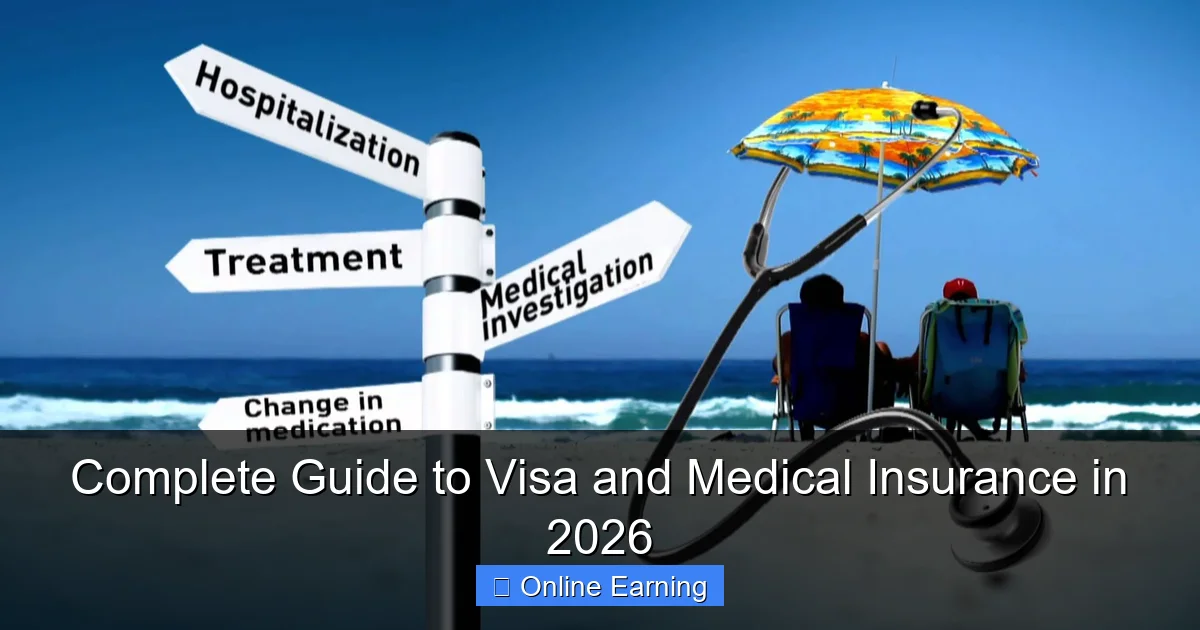
Visual guide about Complete Guide to Visa and Medical Insurance in 2026
Image source: bookingreservationforvisa.com
What to Look for in a Plan
Not all insurance is the same. Here’s what to prioritize:
- Emergency medical coverage: At least $50,000–$100,000 for accidents or sudden illness.
- Hospitalization: Covers room, surgery, and treatment.
- Repatriation: Returns you to your home country if you’re too sick to travel.
- Pre-existing conditions: Some plans cover them, but check the fine print.
- Duration matching visa: Don’t buy a 3-month plan for a 6-month visa.
Popular International Health Insurance Providers
Here are some trusted insurers in 2026:
- World Nomads: Great for travelers and short-term visa holders. Covers adventure sports and pre-existing conditions with extensions.
- IMG Global: Offers student and expatriate plans. Acceptable for OSHC and work visas.
- Cigna Global: Ideal for long-term residents. Includes wellness programs and telemedicine.
- Allianz Care: Popular with professionals and families. Covers dental and maternity in some plans.
How to Apply for Insurance
Getting insurance is simple:
- Choose a provider based on your visa type and destination.
- Fill out an online application (most take 10–15 minutes).
- Pay via credit card or PayPal.
- Receive your policy via email—print it for visa interviews.
Tip: Some countries require insurance to be purchased before applying for a visa. Check the official government website first.
Step-by-Step Visa Application Process in 2026
Applying for a visa can feel overwhelming, but breaking it into steps makes it manageable. Here’s how to do it right in 2026.
Step 1: Determine Your Visa Type
Ask yourself: Why am I going? Work, study, visit, or move permanently? Match your goal to the correct visa category.
Example: If you’re a digital marketer earning online and want to work remotely from Bali, look into Indonesia’s Visit Long-Term Visa for remote workers.
Step 2: Gather Required Documents
Common documents include:
- Passport (valid for at least 6 months)
- Visa application form (online or paper)
- Proof of funds (bank statements, scholarship letter, or income proof)
- Travel itinerary
- Health insurance policy
- Police clearance certificate
- Medical exam results (for long-term visas)
Tip: Use a checklist. Missing one document can delay or deny your application.
Step 3: Pay the Visa Fee
Fees vary by country and visa type. For example:
- Schengen visa: €80 (adults)
- Canada student visa: CAD $150
- U.S. B-1/B-2 tourist visa: $185
Pay online via the official portal. Keep the receipt—it’s proof of payment.
Step 4: Submit Your Application
Most countries now use online portals. Upload documents, take a photo, and book an appointment if required. Some offer e-visas with instant approval.
Example: Thailand’s e-visa system allows applicants to receive approval in 5 business days. No embassy visit needed.
Step 5: Attend an Interview (If Required)
Some countries, like the U.S., require interviews at consulates. Prepare answers about your purpose, finances, and ties to your home country.
Tip: Be honest and consistent. Say you’re going to study, not to work illegally.
Step 6: Wait for Approval
Processing times range from 3 days (e-visas) to 3 months (long-term residency). Track your application online.
Online Earning: A Smart Way to Fund Your Visa and Insurance
Let’s talk money. Visas and insurance aren’t cheap. But here’s a secret: you can earn money online to cover these costs—without leaving your home country.
How Online Earning Helps
Freelancing, content creation, and remote jobs let you save for your international move. In 2026, platforms like Upwork, Fiverr, and Toptal are more accessible than ever.
Example: A graphic designer in Nigeria can earn $20–$50/hour designing logos for clients in the U.S. After 6 months, they’ve saved enough for a Schengen visa and travel insurance.
Tip: Start small. Offer services on social media or local job boards. Use PayPal or Wise to send money internationally.
Best Online Earning Platforms in 2026
- Upwork: Great for freelancers in writing, design, and tech.
- Fiverr: Perfect for short gigs like voiceovers or resume edits.
- RemoteOK: Lists full-time remote jobs with good pay.
- YouTube: Monetize travel vlogs or visa tips.
- Teachable: Sell online courses about visas or insurance.
Tax Tips for Online Earners
Earning internationally? Know your tax obligations:
- Report income in your home country.
- Pay taxes in the country where you earn (if required).
- Use tax calculators to avoid surprises.
Tip: Open a separate bank account for online earnings. Track expenses for deductions.
Common Mistakes to Avoid
Even experienced travelers make errors. Here’s how to avoid them in 2026.
Mistake 1: Not Checking Visa Validity
Your visa may expire before you arrive. Always confirm the issue date and duration.
Example: A student visa issued on March 1 for a 6-month course is valid from March 1 to August 31. Arriving on September 1 is illegal.
Mistake 2: Buying Cheap, Inadequate Insurance
“Cheap” insurance often excludes emergencies. A $20 plan might not cover a broken leg.
Tip: Spend $50–$100/month for solid coverage. It’s worth it.
Mistake 3: Overstaying Your Visa
Even a day late can lead to fines, bans, or deportation. Set calendar reminders for renewal dates.
Mistake 4: Forgetting to Renew Insurance
Insurance lapses = visa violation. Auto-renewal is a lifesaver.
Mistake 5: Not Using Online Earning to Save
Why struggle when you can earn remotely? Start now.
Conclusion: Your 2026 Abroad Plan Is Within Reach
Moving abroad in 2026 doesn’t have to be stressful. With the right visa, proper insurance, and smart planning, your international adventure can be smooth and successful. Whether you’re a student, worker, or digital nomad, this guide gives you the tools to navigate the process with confidence.
And remember—you don’t have to do it alone. Use online earning to fund your dreams. Freelance, create content, or take remote jobs. Every dollar saved brings you closer to your passport stamped and your insurance active.
So start today. Research your visa. Compare insurance plans. Begin earning online. In 2026, the world is your destination.
Frequently Asked Questions
Do I really need medical insurance for my visa?
Yes, many countries now require proof of medical insurance as part of the visa application. For example, Australia and Canada mandate health coverage for students and workers. Without it, your visa will be denied.
Can I use my home country’s health insurance abroad?
Some international policies cover travel, but most domestic plans don’t. Check with your provider. If not, buy a travel or international health plan that meets visa requirements.
How long does a visa take to process in 2026?
It varies. E-visas take 3–7 days. Student and work visas take 4–12 weeks. Always check the official government website for accurate processing times.
What if my visa is denied?
You can reapply after addressing the reason for denial. Common issues include insufficient funds or incomplete documents. Seek help from an immigration consultant if needed.
Can I work while on a tourist visa?
No, most tourist visas prohibit work. Doing so can lead to deportation or bans. Apply for a work visa instead.
Is online earning legal for visa applicants?
Yes, earning money online is completely legal. It can help you save for your visa and insurance. Just report it for tax purposes in your home country.