Modern hospital management is evolving rapidly, blending advanced technology with compassionate care to improve outcomes and streamline operations. This guide explores how data analytics, leadership, and patient-centered strategies are transforming healthcare systems today. Whether you’re a hospital administrator, healthcare professional, or student, understanding these principles is essential for success in today’s dynamic medical environment.
Key Takeaways
- Technology Integration: Modern hospitals use electronic health records (EHRs), telemedicine, and AI to improve efficiency and patient care.
- Data-Driven Decisions: Analytics help hospital leaders track performance, reduce costs, and enhance patient satisfaction.
- Patient-Centered Care: Focusing on patient experience improves outcomes and builds trust in healthcare institutions.
- Operational Efficiency: Streamlined workflows and staff training reduce burnout and increase productivity.
- Regulatory Compliance: Staying updated with healthcare laws like HIPAA ensures legal and ethical operations.
- Financial Sustainability: Effective revenue cycle management and cost control are vital for long-term hospital success.
- Leadership & Culture: Strong leadership fosters innovation, teamwork, and a positive workplace culture.
📑 Table of Contents
- Introduction: Why Modern Hospital Management Matters
- 1. The Evolution of Hospital Management
- 2. Technology and Innovation in Hospital Operations
- 3. Financial Management and Revenue Cycle Optimization
- 4. Patient Experience and Care Coordination
- 5. Regulatory Compliance and Risk Management
- 6. Building a Culture of Innovation and Continuous Improvement
- Conclusion: The Future of Hospital Management is Patient-Centered, Data-Driven, and Human
Introduction: Why Modern Hospital Management Matters
In today’s fast-paced healthcare landscape, managing a hospital is no longer just about treating patients—it’s about running a complex, data-rich organization that balances clinical excellence with operational efficiency. From emergency rooms to outpatient clinics, every department must function smoothly to deliver quality care. That’s where modern hospital management comes in.
The days of relying on paper records and intuition are fading. Today, hospitals that succeed are those that embrace technology, prioritize data, and put patients at the center of every decision. Whether you’re a newly appointed hospital administrator or a seasoned healthcare leader, understanding the core principles of modern hospital management is essential for staying competitive and improving patient outcomes.
This guide will walk you through the key components of modern hospital management—from leadership and technology to financial planning and patient experience. You’ll discover practical tips, real-world examples, and actionable strategies to help your hospital thrive in an increasingly demanding environment.
1. The Evolution of Hospital Management
From Paper to Pixels: The Digital Transformation
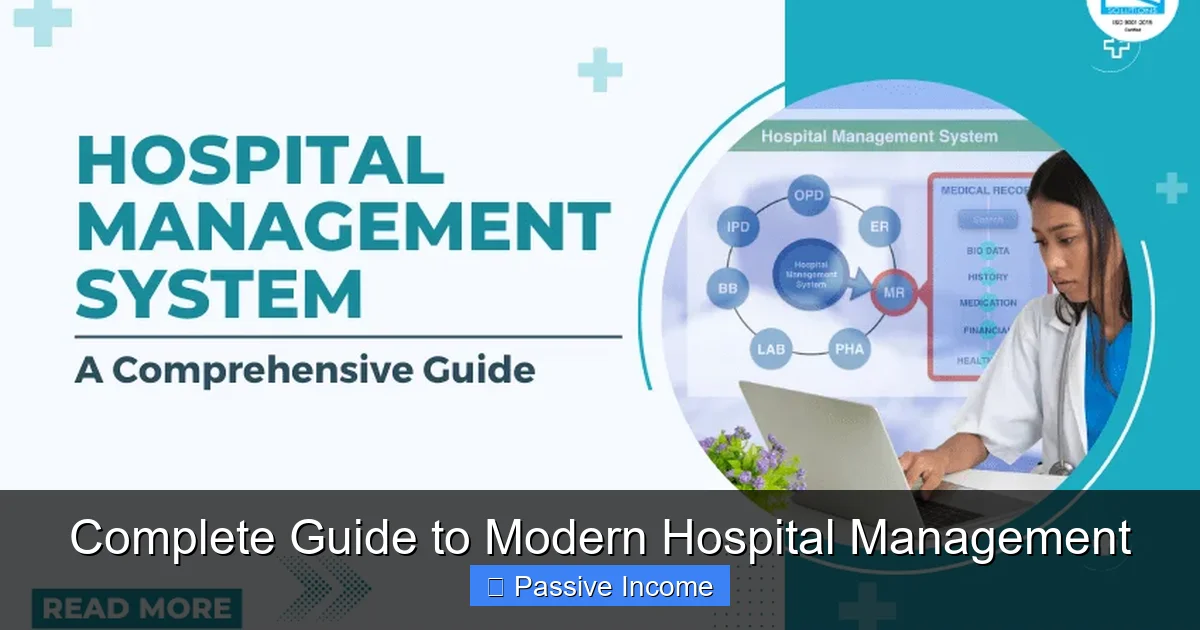
Hospital management has come a long way since the days of handwritten patient charts and filing cabinets full of records. Today, electronic health records (EHRs) are the backbone of most healthcare systems. These digital systems allow doctors, nurses, and administrators to access patient data instantly—no more searching through stacks of paper.
Visual guide about Complete Guide to Modern Hospital Management
Image source: cdnsol.com
For example, imagine a patient arriving at the emergency room with chest pain. With an EHR in place, the medical team can pull up their full medical history in seconds, including past surgeries, allergies, and medications. This not only speeds up diagnosis but also reduces the risk of errors. According to a 2022 study by the American Hospital Association, hospitals using EHRs reported a 20% reduction in medication errors and faster discharge times.
But it’s not just about digitizing records. Modern hospital management also includes tools like telemedicine platforms, mobile apps for patient check-ins, and AI-powered diagnostic software. These technologies help hospitals expand their reach, especially in rural areas, and improve access to care.
The Role of Leadership in Modern Healthcare
Strong leadership is the engine that drives a hospital’s success. Today’s hospital leaders are not just managers—they’re visionaries who understand both clinical and business aspects of healthcare. They must balance patient care with budget constraints, regulatory requirements, and staff well-being.
One example is Dr. Sarah Lin, CEO of MetroHealth System in Ohio. Under her leadership, the hospital implemented a patient-centered care model that reduced average wait times by 30% and increased patient satisfaction scores by 25%. How? By involving frontline staff in decision-making and using real-time data to adjust staffing levels based on patient volume.
Leadership also means fostering a positive workplace culture. Burnout among healthcare workers is a growing concern, and hospitals that support their staff—through mental health resources, flexible scheduling, and recognition programs—see lower turnover and better patient outcomes.
2. Technology and Innovation in Hospital Operations
Electronic Health Records (EHRs): The Digital Heart of Modern Hospitals
EHRs are more than just digital files—they’re central to how hospitals operate. These systems store patient information such as medical history, lab results, imaging reports, and treatment plans. They’re designed to be accessible across departments and even between healthcare providers.

Visual guide about Complete Guide to Modern Hospital Management
Image source: nextgeninvent.com
For instance, when a patient sees a specialist after being treated in the ER, the specialist can instantly view their records, avoiding duplicate tests and ensuring continuity of care. EHRs also support clinical decision-making by providing alerts for drug interactions or preventive screenings.
However, implementing EHRs isn’t without challenges. Training staff, ensuring data security, and integrating with other systems can be complex. That’s why successful hospitals invest in change management and ongoing support for their teams.
Telemedicine: Bringing Care to Patients’ Homes
Telemedicine has exploded in popularity, especially after the pandemic. Today, patients can consult with doctors via video calls, reducing the need for in-person visits and making healthcare more convenient.
For chronic disease management—like diabetes or hypertension—telemedicine allows for regular monitoring without frequent trips to the clinic. A 2023 report by McKinsey found that telehealth visits reduced hospital readmissions by 15% for patients with heart failure.
Hospitals that adopt telemedicine also benefit from lower overhead costs and the ability to serve more patients. Some even use virtual visits for follow-ups, freeing up in-person appointments for more urgent cases.
Artificial Intelligence (AI) and Predictive Analytics
AI is no longer science fiction—it’s a real tool in modern hospital management. From predicting patient admissions to identifying sepsis early, AI helps hospitals operate more efficiently and save lives.
For example, Johns Hopkins Hospital uses AI algorithms to monitor ICU patients for early signs of sepsis, a life-threatening condition. The system analyzes vital signs and lab data in real time, alerting nurses to potential cases before symptoms become severe. This early intervention has saved countless lives and reduced ICU costs.
Predictive analytics also help hospitals manage staffing and inventory. By analyzing historical data, hospitals can forecast patient volume and adjust staffing levels accordingly. This reduces overtime costs and ensures patients aren’t left waiting due to understaffing.
3. Financial Management and Revenue Cycle Optimization
The Importance of Revenue Cycle Management
The revenue cycle—from patient registration to final payment—is the financial backbone of any hospital. A well-managed cycle ensures that hospitals get paid for the services they provide without unnecessary delays or denials.

Visual guide about Complete Guide to Modern Hospital Management
Image source: codewisesoft.com
Common issues in the revenue cycle include coding errors, insurance claim denials, and delayed payments. A 2021 study found that hospitals lose an average of $1.5 million annually due to claim denials alone. That’s why modern hospital management includes dedicated teams focused on optimizing every stage of the cycle.
For example, St. Luke’s Hospital in Missouri implemented a denial management program that reduced claim denials by 40% in one year. They did this by training coders, using AI to flag potential errors before submission, and following up quickly with insurance companies.
Cost Control and Budgeting
Managing costs is just as important as increasing revenue. Hospitals must carefully track expenses—from medical supplies to staff salaries—and find ways to reduce waste without compromising care.
One effective strategy is value-based care, which focuses on patient outcomes rather than the volume of services. For example, a hospital might invest in better diabetes management programs to reduce long-term complications and hospitalizations, lowering overall costs.
Another tip is to negotiate better rates with suppliers. Bulk purchasing and long-term contracts can significantly reduce the cost of medications, equipment, and lab supplies.
4. Patient Experience and Care Coordination
Why Patient Experience Matters
Today’s patients are more informed and empowered than ever. They expect fast, convenient, and compassionate care—and they’re quick to share their experiences online. A single negative review can damage a hospital’s reputation, while positive feedback builds trust and loyalty.
Research shows that hospitals with high patient satisfaction scores also have better clinical outcomes. For example, patients who feel heard and respected are more likely to follow treatment plans and report fewer complications.
To improve patient experience, hospitals are adopting tools like patient portals, where individuals can schedule appointments, view test results, and message their care team. Some even use real-time feedback surveys after visits to identify areas for improvement.
Care Coordination: Working as a Team
No single doctor can treat a patient alone—especially those with multiple chronic conditions. That’s why care coordination is a cornerstone of modern hospital management.
Care coordinators—often nurses or social workers—work with patients, families, and providers to ensure everyone is on the same page. They help schedule appointments, manage medications, and connect patients with community resources like transportation or meal delivery.
For example, a patient with heart failure might receive weekly calls from a care coordinator to monitor symptoms and adjust treatment. This proactive approach reduces emergency visits and improves quality of life.
5. Regulatory Compliance and Risk Management
Staying Compliant with Healthcare Laws
Hospitals must comply with a web of federal and state regulations, including HIPAA (privacy), Medicare/Medicaid rules, and safety standards. Non-compliance can result in hefty fines, legal action, and damage to reputation.
Modern hospital management includes regular audits, staff training, and clear policies to ensure compliance. For example, all employees must be trained on how to handle protected health information (PHI) securely.
Managing Risk and Ensuring Safety
Patient safety is non-negotiable. Hospitals use risk management strategies to prevent errors, infections, and accidents. This includes infection control protocols, fall prevention programs, and medication safety checks.
For example, the “Time Out” procedure—a moment before surgery where the team confirms the patient, site, and procedure—has reduced surgical errors by over 50% in hospitals that use it consistently.
6. Building a Culture of Innovation and Continuous Improvement
Encouraging Staff Involvement
Great ideas often come from the people on the front lines. Modern hospital management encourages staff to share feedback and suggest improvements. This could be through suggestion boxes, team huddles, or innovation labs where employees brainstorm new solutions.
For example, a nurse at a California hospital noticed that patients often forgot to take their medications after discharge. She proposed a text message reminder program, which was adopted hospital-wide and led to a 20% increase in medication adherence.
Continuous Learning and Training
The healthcare field is constantly evolving—new treatments, technologies, and best practices emerge regularly. Hospitals that invest in ongoing training help their staff stay current and confident.
Online learning platforms, simulation labs, and peer mentoring are all effective ways to support professional development. Some hospitals even offer tuition reimbursement for advanced degrees in healthcare administration or nursing.
Conclusion: The Future of Hospital Management is Patient-Centered, Data-Driven, and Human
Modern hospital management is not just about technology or profits—it’s about delivering better care, smarter operations, and a healthier future for everyone involved. By embracing data, empowering staff, and putting patients first, hospitals can overcome challenges and thrive in an ever-changing world.
The hospitals that will lead in the coming years are those that treat management not as a cost center, but as a strategic asset. They invest in people, process, and technology—and they never stop learning.
Whether you’re managing a small clinic or a large academic medical center, the principles of modern hospital management apply. Start small—maybe by improving your EHR workflow or launching a patient feedback program—and build from there. The journey toward excellence begins with a single step.
Frequently Asked Questions
What is modern hospital management?
Modern hospital management refers to the use of technology, data, and leadership to improve healthcare operations, patient care, and financial performance. It includes tools like EHRs, telemedicine, and predictive analytics to create efficient, patient-centered systems.
How does technology improve hospital management?
Technology streamlines workflows, reduces errors, and enhances patient care. For example, electronic health records allow instant access to patient data, while AI helps predict patient admissions and detect diseases early, improving outcomes and efficiency.
What are the key challenges in hospital management today?
Top challenges include managing rising costs, ensuring regulatory compliance, preventing staff burnout, and integrating new technologies. Hospitals also face pressure to improve patient satisfaction while maintaining quality care.
How can hospitals improve patient experience?
Hospitals can improve patient experience by reducing wait times, offering convenient services like telemedicine, using patient portals, and actively seeking feedback. Training staff in communication and empathy also makes a big difference.
What is revenue cycle management?
Revenue cycle management involves managing every step of the financial process—from patient registration and insurance verification to billing and collections. It ensures hospitals get paid accurately and promptly for services.
Why is leadership important in hospital management?
Strong leadership sets the vision, motivates staff, and makes data-driven decisions. Effective leaders foster innovation, support their teams, and create a culture of accountability and continuous improvement.