Choosing the right international medical insurance plan can save you thousands while protecting your health across borders. With so many options available, it’s easy to feel overwhelmed. This guide breaks down everything you need to know—from coverage to costs—so you can make a smart, confident decision.
Key Takeaways
- Coverage Scope: International plans offer global access, including emergency care in over 200 countries, unlike domestic policies limited to one country.
- Premium vs. Deductible: Higher premiums often mean lower out-of-pocket costs; balance monthly payments with your expected healthcare usage.
- Pre-Existing Conditions: Some plans cover pre-existing conditions immediately, while others have waiting periods—check terms carefully.
- Network Providers: Global access doesn’t always mean local convenience; verify if your preferred hospitals are in-network.
- Customization Options: Most insurers allow add-ons like dental, maternity, or mental health coverage for personalized protection.
- Claim Process: Understand whether you pay upfront and get reimbursed or if the insurer pays providers directly—cashless is usually faster.
- Renewal & Portability: Ensure your policy can be renewed annually and transferred if you relocate or change nationality.
📑 Table of Contents
- Comparing International Medical Insurance Plans: A Complete Guide
- What Is International Medical Insurance?
- Key Features to Compare When Choosing a Plan
- Top Insurers to Consider
- How to Compare Plans Like a Pro
- Common Mistakes to Avoid
- Real-Life Example: Sarah’s Story
- Costs and How to Save
- Conclusion: Your Health, Your Choice
Comparing International Medical Insurance Plans: A Complete Guide
Imagine this: you’re traveling through Europe for work when suddenly, you feel a sharp pain in your chest. You’re in a country where you don’t speak the language, and you’re miles away from home. Would you know what to do? Do you have access to quality healthcare without draining your savings? For many people living abroad, working remotely, or frequently traveling, the answer isn’t always yes—unless you have solid international medical insurance.
International medical insurance is more than just a safety net; it’s peace of mind. Whether you’re an expat, a digital nomad, or a frequent traveler, having the right plan ensures you’re protected no matter where you are in the world. But with so many options out there, how do you pick the best one? That’s exactly what we’re here to help with. In this article, we’ll walk you through everything you need to know about comparing international medical insurance plans—so you can make a choice that truly fits your lifestyle, budget, and health needs.
What Is International Medical Insurance?
International medical insurance is a type of health coverage designed for individuals who are not residents of the country where the policy is issued. Unlike local health insurance, these plans provide access to healthcare services across multiple countries, often including emergency medical care, hospitalization, and sometimes even routine check-ups.
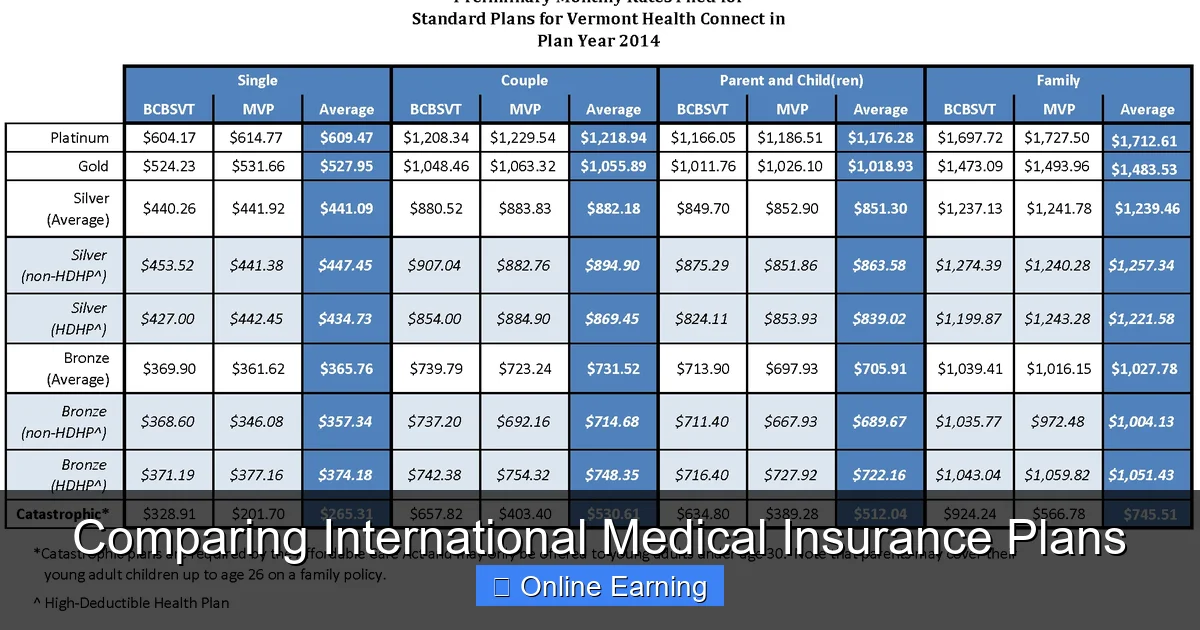
Visual guide about Comparing International Medical Insurance Plans
Image source: db-excel.com
Who Needs It?
You might need international medical insurance if:
- You’re an expatriate working abroad
- You’re a digital nomad traveling the world
- You’re a student studying overseas
- You’re a retiree living in a foreign country
- You frequently travel for business or leisure across borders
These plans are especially valuable because they allow you to receive care in countries where you may not be eligible for public healthcare or where local insurance wouldn’t cover you.
How Is It Different From Local Health Insurance?
While local health insurance is typically limited to the country where it’s issued, international plans offer global coverage. For example, a U.S. citizen with local insurance might not be covered in Germany or Japan unless they have a special visa or residency status. But with an international plan, you can access care in over 200 countries, including major cities like London, Dubai, Singapore, and Sydney.
Another key difference is portability. If you move from one country to another, your international policy usually remains valid, whereas local insurance often expires or requires reapplication.
Key Features to Compare When Choosing a Plan
Not all international medical insurance plans are created equal. To find the right one, you’ll need to compare several important features. Let’s break them down:

Visual guide about Comparing International Medical Insurance Plans
Image source: cdn.nwe.io
1. Coverage Area
One of the first things to check is where the plan covers you. Most reputable insurers offer global coverage, but some may exclude certain regions—like war zones or high-risk areas. Others might only cover you in specific countries, especially if you’re a resident of a particular region.
Tip: If you plan to spend time in countries with less developed healthcare systems, look for plans that include coverage for medical evacuation. This can be crucial in emergencies.
2. Coverage Limits and Maximum Benefit
Every plan has a maximum benefit—the most the insurer will pay in a policy year. This can range from $1 million to $10 million or more. Higher limits are ideal if you’re in a high-cost country (like the U.S. or Switzerland), but they also come with higher premiums.
For example, a plan with a $2 million annual limit might cover a heart surgery in New York, but a $500,000 plan might not. Always match your coverage limit to your lifestyle and where you spend the most time.
3. Deductibles and Co-Payments
A deductible is the amount you pay out of pocket before insurance kicks in. Co-payments are smaller amounts you pay for services like doctor visits or prescriptions. Plans with lower deductibles usually have higher monthly premiums, and vice versa.
Example: Plan A has a $500 deductible and $20 co-pay for consultations. Plan B has no deductible but a $30 co-pay. If you expect frequent doctor visits, Plan B might save you money. If you’re generally healthy, Plan A could be more affordable.
4. Pre-Existing Conditions
This is a big one. Some international plans cover pre-existing conditions from day one, while others impose waiting periods (often 12–24 months). If you have a chronic condition like diabetes or hypertension, look for a plan that offers immediate coverage.
Pro Tip: Always disclose your medical history when applying. Hiding conditions can void your policy later.
5. Network of Providers
Even with global coverage, you want to know if your preferred hospitals and clinics are in-network. Out-of-network care can lead to higher out-of-pocket costs or even denial of claims.
Ask your insurer: “Are there hospitals near me in Tokyo? Paris? Cape Town?” A good plan will have partnerships with major hospitals and clinics worldwide.
6. Claim Process
There are two main types of claims:
- Cashless: The insurer pays the hospital directly. You pay nothing at the time of service.
- Reimbursement: You pay upfront and submit receipts for reimbursement later.
Cashless is faster and more convenient, especially in emergencies. Make sure your plan offers this option in your travel destinations.
7. Additional Benefits
Many plans offer extras like:
- Dental and vision coverage
- Maternity care
- Mental health support
- Wellness programs
- Second medical opinions
If these matter to you, compare add-ons when shopping.
Top Insurers to Consider
Not all insurers are the same. Some specialize in expat care, others in student travel, and some in corporate group plans. Here are a few well-known providers to consider:
Visual guide about Comparing International Medical Insurance Plans
Image source: cdn.nwe.io
Aetna International
Aetna offers comprehensive global coverage with strong customer service and a large network of hospitals. Their plans are flexible and can be tailored for individuals, families, or groups.
Best for: Expats and families needing reliable, worldwide care.
Allianz Worldwide Care
Allianz is one of the largest international insurers. They offer customizable plans with options for pre-existing conditions and emergency evacuation.
Best for: Frequent travelers and remote workers.
Cigna Global
Cigna provides digital-first solutions with easy online claims and 24/7 support. Their plans include wellness benefits and mental health coverage.
Best for: Tech-savvy individuals and digital nomads.
World Nomads
While not a traditional insurer, World Nomads specializes in travel medical insurance for short-term trips. They’re popular among backpackers and adventure travelers.
Best for: Short-term travelers and adventure seekers.
IMMI Global
IMMI offers affordable plans with high coverage limits and immediate pre-existing condition coverage. They’re known for transparency and fast claims processing.
Best for: Budget-conscious travelers who want full protection.
How to Compare Plans Like a Pro
Now that you know what to look for, here’s a step-by-step guide to comparing plans effectively:
Step 1: Assess Your Needs
Ask yourself:
- How often do I travel?
- Where will I be most of the time?
- Do I have any ongoing health issues?
- Will I need maternity or dental coverage?
This helps narrow down your options.
Step 2: Get Quotes
Request quotes from at least 3–4 insurers. Use comparison websites or work with a broker. Make sure to compare the same level of coverage (e.g., $1 million limit, same deductible).
Step 3: Read the Fine Print
Don’t skip the policy document. Look for exclusions, waiting periods, and claim deadlines. If something isn’t clear, ask your insurer.
Step 4: Check Reviews
Look at customer reviews on independent sites like Trustpilot or forums like Expat.com. Pay attention to how quickly claims are paid and how helpful customer service is.
Step 5: Test the Claims Process
Ask if you can submit a sample claim online. A smooth, digital process is a good sign.
Step 6: Review Annually
Your needs change. What works for you now might not in 12 months. Review your plan yearly and adjust as needed.
Common Mistakes to Avoid
Even experienced travelers make these mistakes:
Mistake 1: Choosing the Cheapest Plan
Low premiums might mean high deductibles or limited coverage. A $100/month plan with a $10,000 deductible might cost you more in an emergency.
Mistake 2: Ignoring Pre-Existing Conditions
Many people assume their chronic conditions won’t be covered. But some top plans cover them immediately—make sure to check.
Mistake 3: Not Checking Network Hospitals
You might love a plan, but if your go-to clinic in Barcelona isn’t in-network, you could end up paying out of pocket.
Mistake 4: Forgetting to Renew on Time
Most international plans are annual. If you miss the renewal date, your coverage lapses—even for a day.
Mistake 5: Not Reading the Exclusions
Some plans exclude high-risk activities like scuba diving or mountain climbing. If you do these regularly, look for a plan that includes them.
Real-Life Example: Sarah’s Story
Sarah, a 34-year-old marketing consultant, lives in Lisbon but travels to 10 countries a year. She chose a $3 million international plan with immediate pre-existing condition coverage for her asthma.
Last year, she caught a bad flu in Morocco. Thanks to her plan’s cashless service, she was treated at a major hospital in Casablanca with no upfront cost. The insurer paid directly, and she was back on her feet in days.
“I used to worry about medical bills when traveling,” she says. “Now, I know I’m protected—no matter where I am.”
Sarah’s story shows how the right plan can turn a potential financial nightmare into a minor health hiccup.
Costs and How to Save
How much does international medical insurance cost?
Average annual premiums range from $1,200 to $5,000+, depending on age, coverage level, and benefits. A 30-year-old in a $1 million plan might pay $1,500/year, while a 60-year-old might pay $4,000.
Ways to Save:
- Bundle policies: Some insurers offer discounts for adding dental or vision.
- Pay annually: You often save 5–10% by paying upfront.
- Choose a higher deductible: This lowers your premium.
- Use a broker: They can help you find deals you might miss.
Conclusion: Your Health, Your Choice
Comparing international medical insurance plans doesn’t have to be overwhelming. By focusing on your needs, comparing key features, and avoiding common pitfalls, you can find a plan that gives you real protection—wherever life takes you.
Remember: the cheapest plan isn’t always the best. The right plan is one that covers you when you need it most, in the places you care about. Whether you’re a globetrotting nomad or a settled expat, investing in international medical insurance is one of the smartest decisions you can make for your health and financial peace of mind.
Start your comparison today. Your future self will thank you.
Frequently Asked Questions
What is the difference between international and local health insurance?
International medical insurance provides coverage across multiple countries, ideal for travelers, expats, and digital nomads. Local health insurance is usually limited to one country and may not cover you abroad. International plans are more portable and offer broader access.
Can I get coverage for pre-existing conditions?
Yes, many international plans cover pre-existing conditions immediately or after a short waiting period. Always disclose your medical history when applying, as hiding conditions can void your policy.
How do I know if a hospital is in-network?
Contact your insurer or visit their website to check their network list. You can also call the hospital directly and ask if they accept your insurance plan for international patients.
Is cashless claim processing available?
Many top insurers offer cashless services, where they pay hospitals directly. This avoids out-of-pocket expenses at the time of treatment. Confirm this feature with your provider before traveling.
Can I renew my international medical insurance annually?
Yes, most international plans are renewable annually. Make sure to review and renew on time to avoid coverage gaps. Some plans offer automatic renewal with reminders.
What happens if I need emergency care in a remote area?
Reputable plans include medical evacuation and repatriation services. If you’re in a remote location, your insurer can arrange transport to the nearest suitable hospital or even back to your home country.