Freelancers face unique health insurance challenges, but smart planning can protect your income and well-being. Top plans offer flexibility, portability, and affordability, helping you stay covered without breaking the bank. With rising healthcare costs, choosing the right medical insurance is more important than ever for self-employed professionals.
Key Takeaways
- Freelancers need portable, affordable health insurance that fits irregular income and changing needs.
- Short-term and marketplace plans are popular options, but may lack long-term stability.
- Health Savings Accounts (HSAs) offer tax advantages for high-deductible plans.
- Professional associations and co-ops can provide group rates and shared resources.
- Telemedicine and virtual care reduce costs and increase access to healthcare.
- Compare plans annually to ensure coverage matches your evolving health and financial situation.
📑 Table of Contents
- Best Medical Insurance Plans for Freelancers: Protecting Your Health and Income
- Why Freelancers Need Special Health Insurance
- Top Medical Insurance Plans for Freelancers
- How to Choose the Right Plan for You
- Costs to Expect
- Tips for Managing Health Insurance as a Freelancer
- Conclusion: Protect Your Future, One Plan at a Time
Best Medical Insurance Plans for Freelancers: Protecting Your Health and Income
Imagine this: You’re a graphic designer, a freelance writer, or a software developer—your income comes in fits and starts, your schedule is your own, and your health is your most valuable asset. Now imagine getting a surprise medical bill for $20,000 after a sudden illness or injury. That’s not just scary—it’s financially devastating. For freelancers, who often lack employer-sponsored benefits, medical insurance isn’t a luxury—it’s a lifeline.
But here’s the catch: most insurance plans are built for full-time employees. They assume steady income, predictable schedules, and employer contributions. Freelancers don’t fit that mold. That’s why finding the best medical insurance plans for freelancers isn’t just about cost—it’s about flexibility, portability, and peace of mind. In this guide, we’ll walk you through the top options, explain how to choose, and show you how to protect both your health and your hard-earned income.
Why Freelancers Need Special Health Insurance
Freelancers operate in a world where stability is rare. One month you might have $5,000 in income; the next, $500. You might work in three countries in six months. You might take on a project that requires surgery, or you might get sick during a slow season. These realities make standard health insurance plans impractical or unaffordable.
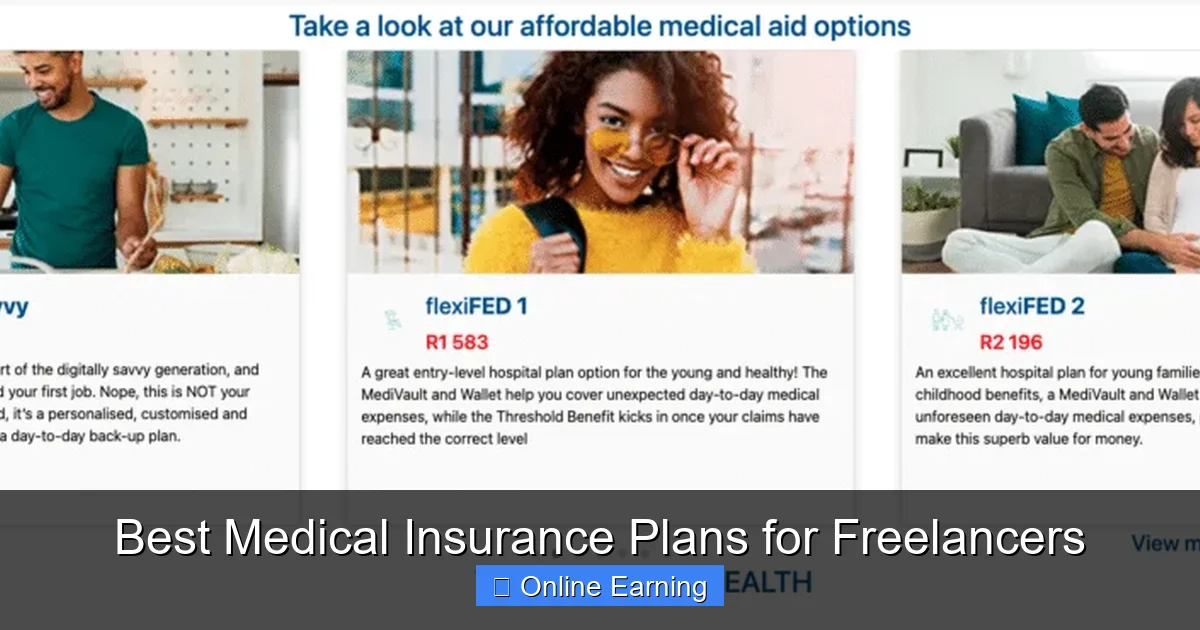
Visual guide about Best Medical Insurance Plans for Freelancers
Image source: medicalaid.com
Traditional employer-based plans often require you to work a certain number of hours to qualify, and they’re tied to a single employer. But as a freelancer, you’re your own boss—and your own employee. That means you need a plan that works with your lifestyle, not against it. The best medical insurance plans for freelancers offer flexibility, portability, and affordability—three qualities that are rare in traditional group plans.
The Risks of Going Uninsured
Choosing not to have health insurance might seem like a way to save money, but it’s a risky gamble. In the U.S., medical bills are the leading cause of bankruptcy. Even minor issues—like a broken bone or a severe migraine—can lead to thousands in out-of-pocket costs.
For example, a single MRI in a major city can cost $1,500 to $5,000. A hospital stay can run $10,000 to $50,000. Without insurance, these costs come out of your pocket—or worse, they go unpaid, damaging your credit. For freelancers who live paycheck to paycheck, a single medical emergency can derail years of progress.
Health insurance isn’t just about medical care—it’s about financial protection. The right plan can mean the difference between a temporary setback and a lifetime of debt.
What Makes a Plan “Freelancer-Friendly”?
Not all insurance plans are created equal—especially for freelancers. Here’s what to look for:
- Portability: Can you take your plan with you if you move, change projects, or relocate?
- Flexibility: Can you adjust coverage based on your income and health needs?
- Affordability: Does it fit into your budget, even during slow months?
- No lock-in contracts: Can you cancel or change plans without penalties?
- Access to specialists: Can you see doctors, therapists, or specialists without jumping through hoops?
Plans that offer these features are rare—but they exist. And knowing where to look makes all the difference.
Top Medical Insurance Plans for Freelancers
So, what are the best medical insurance plans for freelancers in 2024? Let’s break down the top options, from marketplace plans to private alternatives.

Visual guide about Best Medical Insurance Plans for Freelancers
Image source: medicalaid.com
1. Health Insurance Marketplaces (ACA Plans)
The Affordable Care Act (ACA) created health insurance marketplaces where individuals can compare and buy plans. These are often the most accessible option for freelancers, especially if you earn less than $100,000 per year.
How It Works: You apply through HealthCare.gov or a state exchange. Plans are categorized as Bronze, Silver, Gold, or Platinum, based on cost-sharing. Bronze plans have lower premiums but higher deductibles; Platinum plans have high premiums but low out-of-pocket costs.
Pros:
- Subsidies based on income (if eligible)
- Essential health benefits (including maternity, mental health, and prescription drugs)
- No pre-existing condition exclusions
Cons:
- Premiums can be high if you don’t qualify for subsidies
- Annual enrollment window (Nov 1 – Jan 15)
- Less flexibility outside open enrollment
Example: A 35-year-old freelancer in Texas earning $45,000/year might qualify for a Silver plan with a $350/month subsidy, reducing their monthly cost to $150. This plan covers preventive care at 100% and has a $4,000 deductible.
Tip: Use the Best Medical Insurance Plans for Freelancers comparison tool on HealthCare.gov to see your options based on income and location.
2. Short-Term Health Insurance
Short-term plans are designed for people between jobs, waiting for coverage, or needing temporary protection. They’re often cheaper and faster to enroll in than ACA plans.
How It Works: These plans last up to 364 days (renewable up to three times in some states). They cover emergency care, hospital stays, and urgent care, but often exclude pre-existing conditions, maternity care, and mental health services.
Pros:
- Low premiums (as low as $50–$150/month)
- Quick approval and enrollment
- No annual enrollment window
Cons:
- Not compliant with ACA
- Can deny claims for pre-existing conditions
- Limited coverage for prescriptions and preventive care
Example: A freelancer in California earning $60,000/year might pay $120/month for a short-term plan with a $10,000 deductible. While affordable, they’d pay full price for a routine colonoscopy or a broken wrist.
Tip: Short-term plans are best for healthy freelancers with low medical needs and a plan to get ACA coverage soon.
3. Catastrophic Health Insurance
Available only to people under 30 or those with hardship exemptions, catastrophic plans are designed for emergencies—not routine care.
How It Works: These plans have very high deductibles (usually over $8,000) but very low premiums (around $100–$200/month). They cover preventive services at 100% and emergency care after the deductible is met.
Pros:
- Low monthly cost
- Covers essential health benefits after deductible
- Available outside open enrollment with a qualifying life event
Cons:
- Not suitable for people with chronic conditions
- High out-of-pocket costs
- Limited to young, healthy individuals
Example: A 28-year-old freelance photographer in Colorado might pay $140/month for a catastrophic plan. If they get a toothache, they’d pay $8,500 before coverage kicks in—but they’d get free annual checkups and vaccines.
Tip: Pair a catastrophic plan with a Health Savings Account (HSA) for tax-free savings on medical expenses.
4. Health Sharing Ministries
Health sharing ministries are faith-based organizations where members share medical costs. They’re not insurance but can be a low-cost alternative for those who qualify.
How It Works: Members contribute monthly “shares” that go toward others’ medical bills. Coverage varies by organization and religious affiliation.
Pros:
- Low monthly cost (as low as $100/month)
- No annual enrollment window
- Often no medical underwriting
Cons:
- Not insurance—no guarantees
- Excludes pre-existing conditions and certain procedures
- Membership requirements (e.g., faith-based beliefs)
Example: A freelance writer in Florida who attends church regularly might join a Christian health sharing program. They’d pay $120/month toward others’ care, and the ministry would cover 90% of approved medical bills over $1,000.
Tip: Research organizations like Medi-Share or Samaritan Ministries. Read member reviews and understand what’s covered—and what’s not.
5. Private Health Insurance Plans
Some private insurers offer plans specifically for self-employed individuals. These can be more flexible than marketplace plans.
How It Works: Companies like Oscar, Bright Health, and UnitedHealthcare offer plans outside the marketplace. You can often enroll year-round.
Pros:
- More flexibility in provider networks
- Year-round enrollment
- Additional benefits like telehealth and wellness programs
Cons:
- Premiums may be higher than subsidized ACA plans
- Less predictable pricing
- May not qualify for subsidies
Example: A freelance developer in New York might choose an Oscar Health plan with a $400/month premium, $3,000 deductible, and access to top-rated hospitals. They’d get 24/7 telehealth and mental health support.
Tip: Compare private plans using tools like Covered California or private brokers. Look for plans with strong customer service and broad networks.
How to Choose the Right Plan for You
With so many options, how do you pick the best medical insurance plan for freelancers? It comes down to your health, income, and lifestyle.
Visual guide about Best Medical Insurance Plans for Freelancers
Image source: medicalaid.com
Assess Your Health Needs
Are you generally healthy? Do you have a chronic condition? Do you need regular prescriptions or therapy?
- Low medical needs? A short-term or catastrophic plan might work.
- Chronic condition? Stick with ACA or private plans that cover ongoing care.
- Family to cover? Consider family plans with maternity and pediatric care.
Evaluate Your Income
Freelancers have variable income. Use your average monthly earnings (last 6–12 months) to estimate what you can afford.
- $2,000/month income? Look for plans under $300/month.
- $5,000/month? You might afford a Gold plan with lower deductibles.
- Slow season coming? Choose a plan you can afford to pause (if allowed).
Consider Your Location
Insurance costs vary by state. Urban areas are more expensive than rural ones. Use Best Medical Insurance Plans for Freelancers comparison tools to see local options.
Plan for the Long Term
Even if you choose a short-term plan now, aim to get ACA coverage within 6–12 months. Set a reminder to re-evaluate your plan each year during open enrollment.
Use Tax-Advantaged Accounts
Pair your insurance with an HSA or FSA to save money on taxes and cover out-of-pocket costs.
- HSA: Triple tax advantage—contributions, growth, and withdrawals (for medical expenses).
- FSA: Use-it-or-lose-it account—good for predictable costs like glasses or prescriptions.
Costs to Expect
Health insurance isn’t free. Here’s what you’ll pay:
Premiums
Monthly payments to keep your plan active. For freelancers, this is often the biggest cost.
- Bronze: $150–$300/month
- Silver: $250–$450/month
- Gold: $350–$600/month
Deductibles
The amount you pay before insurance kicks in.
- Low deductible: $500–$1,500
- High deductible: $5,000–$10,000
Out-of-Pocket Maximum
The most you’ll pay in a year for covered services. After this, insurance pays 100%.
- Typical range: $6,000–$10,000
Copays and Coinsurance
Copays: Fixed fee for visits ($20–$50). Coinsurance: Percentage you pay (e.g., 20% of a $1,000 bill).
Example Breakdown
A freelancer chooses a Silver plan with a $400/month premium, $3,000 deductible, and $6,000 out-of-pocket max. In a year:
- Premiums: $4,800
- Deductible: $2,500 (after meeting it, they pay 20% coinsurance)
- Total possible cost: $7,300
Compare this to a short-term plan at $120/month ($1,440/year) but with a $10,000 deductible—total cost could be $11,440 for a single emergency.
Tips for Managing Health Insurance as a Freelancer
Managing insurance on your own takes planning. Here’s how to stay on top of it:
Set Up Automatic Payments
Use direct debit to avoid missed payments. Many plans charge a fee for late payments.
Track Open Enrollment Dates
Mark your calendar. Open enrollment runs November 1 to January 15 each year.
Review Your Plan Annually
Your health and income change. So should your plan. Re-evaluate every 12 months.
Use Telemedicine
Virtual visits cost less and are more convenient. Most plans now include telehealth.
Keep Records
Save all bills, explanations of benefits (EOBs), and doctor notes. This helps with appeals or tax deductions.
Join a Freelancer Network
Groups like Freelancers Union or Coworker.org offer group rates, legal help, and resources.
Consider a Health Advocate
For complex cases, a health advocate can help navigate bills and insurance claims.
Conclusion: Protect Your Future, One Plan at a Time
Being a freelancer means you’re in control—of your schedule, your income, and your future. But with that freedom comes responsibility. One of the most important responsibilities is protecting your health. The best medical insurance plans for freelancers offer the flexibility, affordability, and coverage you need to thrive—without the debt.
Whether you choose an ACA plan with subsidies, a short-term plan for temporary coverage, or a private option with added benefits, the key is to act early and plan ahead. Don’t wait until you’re sick to think about insurance. Do it now. Compare plans. Read reviews. Talk to a broker if needed. And remember: your health is your wealth.
With the right plan, you can focus on what you do best—creating, building, and earning—while knowing you’re protected. Because when you’re healthy, you’re unstoppable.
Frequently Asked Questions
What is the best medical insurance plan for freelancers with low income?
For freelancers earning under $50,000/year, ACA marketplace plans with subsidies are often the best choice. These plans offer essential health benefits at lower costs due to income-based premium reductions.
Can freelancers use Health Savings Accounts (HSAs)?
Yes! HSAs are ideal for freelancers with high-deductible health plans. Contributions are tax-deductible, grow tax-free, and withdrawals for medical expenses are tax-free—offering triple tax savings.
Are short-term health plans worth it for freelancers?
Short-term plans can be worth it for healthy freelancers needing temporary coverage. They’re affordable and fast to enroll, but lack comprehensive benefits and may deny coverage for pre-existing conditions.
How do I compare medical insurance plans as a freelancer?
Use HealthCare.gov, private brokers, or comparison tools like eHealth. Compare premiums, deductibles, networks, and benefits. Factor in your income, health needs, and location to find the best fit.
Can I change my health plan anytime as a freelancer?
Not always. Most plans have annual enrollment windows (Nov 1–Jan 15). However, short-term plans and some private plans allow year-round enrollment. A qualifying life event (like job loss) may also open a special enrollment period.
What should I do if I miss open enrollment as a freelancer?
If you miss open enrollment, you may qualify for a special enrollment period due to a life event (e.g., divorce, birth of a child). Otherwise, you’ll wait until the next open enrollment window to change plans.