Digital transformation in hospitals is reshaping healthcare by integrating technology into every aspect of patient care and operations. From electronic health records to AI-powered diagnostics, these changes improve outcomes, reduce costs, and enhance both staff and patient experiences. This shift isn’t just about gadgets—it’s about creating smarter, safer, and more efficient healthcare systems for the future.
Key Takeaways
- Improved Patient Outcomes: Digital tools like AI and telemedicine enable faster diagnoses and personalized treatment plans, leading to better recovery rates.
- Operational Efficiency: Automation of administrative tasks reduces paperwork and frees up staff to focus on patient care.
- Data-Driven Decisions: Real-time analytics help hospitals track performance, manage resources, and predict patient needs.
- Enhanced Patient Experience: Online portals, mobile apps, and remote monitoring make healthcare more accessible and convenient.
- Cost Reduction: Streamlined workflows and reduced readmissions lower operational expenses over time.
- Regulatory Compliance: Digital systems ensure accurate record-keeping and help meet evolving healthcare standards.
- Future-Proofing Healthcare: Investing in digital transformation prepares hospitals for emerging technologies like IoT and blockchain.
📑 Table of Contents
- Introduction: The Pulse of Modern Healthcare
- What Is Digital Transformation in Hospitals?
- Key Technologies Driving Hospital Transformation
- Benefits of Digital Transformation in Hospitals
- Challenges and How to Overcome Them
- Real-World Examples of Digital Transformation in Action
- Steps to Implement Digital Transformation Successfully
- Conclusion: The Future Is Digital
Introduction: The Pulse of Modern Healthcare
Imagine walking into a hospital where your medical history is instantly available, your doctor uses a tablet to review your scans in real time, and your nurse checks in via a smartwatch. Sounds like science fiction? Not anymore. Digital transformation in hospitals is no longer a buzzword—it’s happening right now, across clinics, emergency rooms, and even rural health centers. From electronic health records to AI-driven diagnostics, hospitals are embracing technology to deliver better care, smarter operations, and happier patients.
But why now? The answer lies in the growing demands of an aging population, rising healthcare costs, and the need for faster, more accurate medical decisions. Traditional paper-based systems simply can’t keep up. That’s where digital transformation steps in. It’s not just about upgrading computers or installing new software—it’s a fundamental shift in how healthcare is delivered and managed. In this article, we’ll explore what digital transformation means for hospitals, how it improves patient care, and what leaders need to know to make the leap successfully.
What Is Digital Transformation in Hospitals?

Visual guide about Digital Transformation in Hospitals
Image source: veritis.com
At its core, digital transformation in hospitals refers to the integration of digital technologies into all areas of healthcare operations. This includes everything from patient intake and diagnosis to treatment planning and post-discharge follow-up. Think of it as a digital makeover—not just for the building, but for the entire healthcare ecosystem.
Historically, hospitals relied on paper charts, manual scheduling, and isolated systems that didn’t communicate well. Today, digital transformation connects these systems through cloud platforms, enabling data to flow seamlessly between departments. For example, when a patient visits the emergency room, their records—including past surgeries, allergies, and lab results—can be accessed instantly by any authorized provider. No more searching through filing cabinets or waiting for faxed reports.
This transformation isn’t limited to back-office systems. It extends to patient-facing tools like mobile apps, wearable devices, and telehealth platforms. Patients can now book appointments online, message their doctors, and even monitor chronic conditions from home. The goal? To make healthcare more efficient, transparent, and patient-centered.
Key Technologies Driving Hospital Transformation

Visual guide about Digital Transformation in Hospitals
Image source: d2ms8rpfqc4h24.cloudfront.net
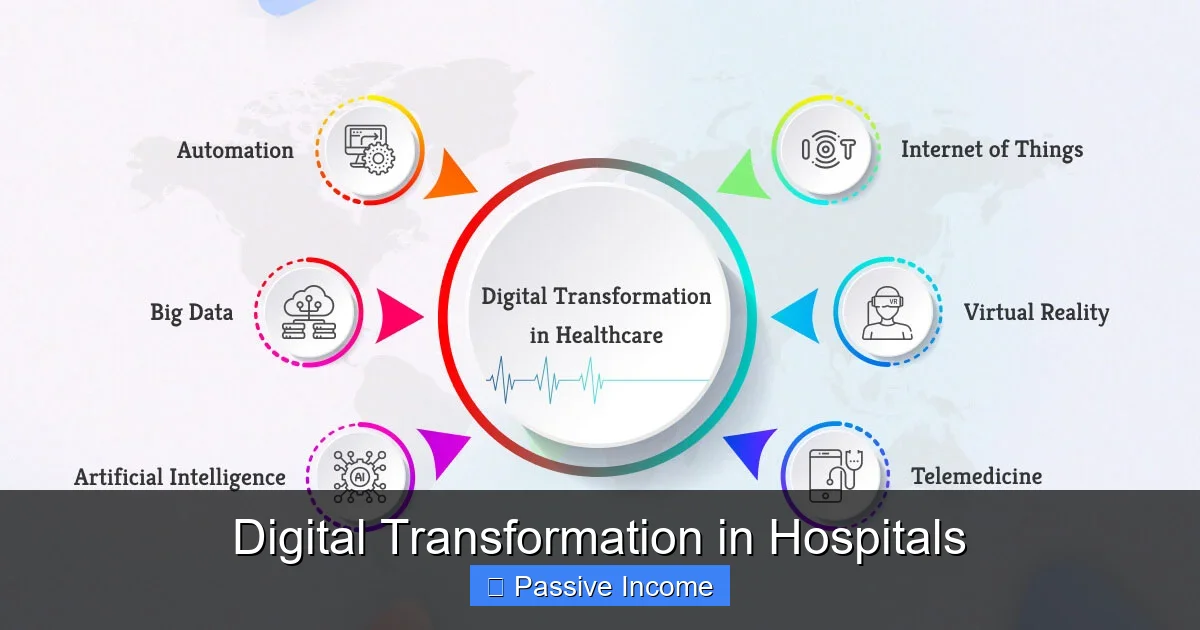
Several cutting-edge technologies are powering the digital revolution in healthcare. Let’s break them down:
1. Electronic Health Records (EHR)
EHRs are digital versions of patient charts that include medical history, diagnoses, medications, immunization dates, and lab results. Unlike paper records, EHRs are accessible across departments and facilities, reducing duplication and errors. For instance, if a patient is transferred from a primary care clinic to a specialist, the specialist can immediately see the full medical history—no guesswork or lost paperwork.
2. Artificial Intelligence (AI) and Machine Learning
AI is helping doctors analyze vast amounts of data quickly. For example, AI algorithms can detect early signs of cancer in X-rays or predict patient deterioration in ICU settings. At one major hospital, an AI system reduced diagnostic errors by 40% in radiology departments by flagging anomalies that human eyes might miss.
3. Telemedicine and Remote Monitoring
Telemedicine allows patients to consult doctors via video calls, especially useful for follow-ups or mental health support. Remote monitoring devices—like smart blood pressure cuffs or glucose meters—send data directly to doctors, enabling early intervention. During the pandemic, telehealth usage surged by over 300%, proving its value in expanding access to care.
4. Internet of Medical Things (IoMT)
IoMT refers to connected medical devices like smart beds, infusion pumps, and wearable health trackers. These devices collect real-time data and alert staff to potential issues—such as a patient trying to get out of bed or a medication drip running low. This reduces nurse workload and improves patient safety.
5. Cloud Computing
Cloud platforms store and process data securely off-site, allowing hospitals to scale resources as needed. It also enables staff to access patient information from any device, anywhere. During emergencies, cloud-based systems ensure critical data is never lost, even during power outages.
6. Blockchain for Data Security
Blockchain creates tamper-proof records, making it ideal for managing patient consent, drug supply chains, and identity verification. One European hospital used blockchain to securely share patient data between clinics, cutting administrative time by 50%.
These technologies don’t work in isolation. When combined, they create a powerful digital ecosystem that supports better decision-making, faster care, and stronger patient engagement.
Benefits of Digital Transformation in Hospitals
Visual guide about Digital Transformation in Hospitals
Image source: teci.ai
The shift to digital isn’t just about keeping up with the times—it delivers real, measurable benefits. Here’s how:
1. Better Patient Outcomes
When doctors have instant access to accurate data, they can make faster, more informed decisions. AI tools help detect diseases early, while remote monitoring catches complications before they become emergencies. For example, a diabetic patient using a continuous glucose monitor can receive alerts if blood sugar drops dangerously low—preventing a trip to the ER.
2. Reduced Administrative Burden
Automation handles routine tasks like scheduling, billing, and documentation. A study found that hospitals using AI-powered transcription saw a 30% drop in time spent on paperwork. This frees up nurses and doctors to spend more time with patients.
3. Lower Costs
By reducing readmissions, optimizing bed usage, and minimizing errors, digital systems cut operational costs. One large hospital system reported saving $1.2 million annually after implementing a digital workflow for patient discharge.
4. Improved Patient Satisfaction
Patients appreciate convenience—online appointment booking, digital check-ins, and access to test results through a portal. A survey showed that 85% of patients prefer hospitals offering mobile apps for communication and care coordination.
5. Enhanced Collaboration
Digital tools break down silos between departments. Radiologists, surgeons, and primary care doctors can now share images and notes instantly, leading to faster diagnoses and coordinated care.
6. Compliance and Security
Digital systems help hospitals meet regulatory standards like HIPAA by encrypting data and tracking access. Automated audit trails ensure accountability and reduce the risk of breaches.
These benefits aren’t theoretical. They’re being realized in hospitals around the world, proving that digital transformation is good for patients, providers, and the bottom line.
Challenges and How to Overcome Them
While the advantages are clear, digital transformation isn’t without hurdles. Let’s look at the common challenges and practical solutions:
1. Resistance to Change
Staff may fear new technology or worry about job loss. Solution: Involve employees early in the process. Provide hands-on training and highlight how technology will make their jobs easier—not replace them.
2. Data Security Risks
Hospitals are prime targets for cyberattacks. Solution: Invest in strong encryption, multi-factor authentication, and regular security audits. Train staff to recognize phishing scams.
3. High Upfront Costs
Implementing EHRs or AI systems requires investment. Solution: Start with pilot programs to test technologies on a small scale. Seek grants or partnerships to offset costs.
4. Interoperability Issues
Not all systems “talk” to each other. Solution: Choose platforms that support open standards like HL7 or FHIR. Work with vendors committed to integration.
5. Patient Privacy Concerns
Patients may worry about how their data is used. Solution: Be transparent. Use clear consent forms and allow patients to control who sees their information.
6. Training Gaps
Older staff may struggle with new tools. Solution: Offer ongoing training, create user-friendly interfaces, and assign “digital champions” to support peers.
By anticipating these challenges and planning ahead, hospitals can navigate the transition smoothly and maximize the benefits of digital transformation.
Real-World Examples of Digital Transformation in Action
Let’s look at how hospitals are putting these ideas into practice:
Example 1: Mayo Clinic’s AI-Powered Diagnosis
The Mayo Clinic uses AI to analyze medical images and detect skin cancer with 95% accuracy—comparable to dermatologists. This speeds up diagnosis and allows doctors to focus on complex cases.
Example 2: Johns Hopkins’ Remote ICU
Using video and sensors, a central team monitors patients in rural ICUs across the U.S. This brings critical care expertise to underserved areas, reducing mortality by 15%.
Example 3: Kaiser Permanente’s Patient Portal
Kaiser’s online portal lets patients view lab results, message doctors, and manage prescriptions. As a result, appointment no-shows dropped by 25%, and patient satisfaction scores rose.
Example 4: Singapore General Hospital’s Smart Beds
These beds track patient movement, vital signs, and pressure points. Nurses receive alerts if a patient is at risk of bedsores or falls—improving safety and reducing care costs.
These examples show that digital transformation isn’t just possible—it’s already improving lives.
Steps to Implement Digital Transformation Successfully
Ready to transform your hospital? Follow these practical steps:
1. Define Clear Goals
Ask: What do we want to achieve? Better patient outcomes? Lower costs? Faster diagnoses? Your goals will shape your strategy.
2. Assess Current Systems
Audit your existing technology. What’s working? What’s outdated? Identify gaps that digital tools can fill.
3. Start Small
Begin with a pilot project—like digitizing patient intake or implementing telehealth for chronic disease management. Measure results before scaling up.
4. Choose the Right Partners
Work with vendors who understand healthcare and offer support, training, and integration services. Avoid “off-the-shelf” solutions that don’t fit your needs.
5. Train and Support Staff
Provide ongoing education. Use real-life scenarios in training to build confidence. Celebrate early wins to keep momentum.
6. Engage Patients
Offer tutorials on how to use new tools. Collect feedback to improve usability. Make patients feel like partners in their care.
7. Monitor and Improve
Track key metrics—like patient wait times, error rates, and satisfaction scores. Use data to refine your approach continuously.
Remember: Transformation is a journey, not a one-time project. Stay flexible and patient-centered.
Conclusion: The Future Is Digital
Digital transformation in hospitals isn’t optional—it’s essential. In a world where patients expect instant access to care, where data drives medical breakthroughs, and where efficiency saves lives, clinging to old systems is no longer viable. The hospitals that thrive will be those that embrace technology with courage and compassion.
From AI that detects diseases early to telehealth that reaches remote villages, the benefits are real, measurable, and life-changing. But success depends on more than just gadgets—it requires leadership, training, and a commitment to putting patients first.
As we look ahead, the integration of 5G, robotics, and even virtual reality in surgery will redefine what’s possible. The hospitals of tomorrow won’t just be digital—they’ll be smarter, kinder, and more human than ever before.
So whether you’re a hospital administrator, a nurse, or a patient, the message is clear: The future of healthcare is here. And it’s digital.
Frequently Asked Questions
What is digital transformation in hospitals?
Digital transformation in hospitals refers to the integration of digital technologies—like electronic health records, AI, and telemedicine—into all aspects of healthcare delivery. It aims to improve patient care, streamline operations, and enhance decision-making through data and automation.
How does digital transformation improve patient outcomes?
By providing doctors with instant access to accurate medical data, AI-powered diagnostics, and remote monitoring tools, digital transformation enables faster diagnoses, personalized treatments, and early intervention—leading to better recovery rates and fewer complications.
Is digital transformation expensive for hospitals?
While there are upfront costs for software, training, and infrastructure, digital transformation can reduce long-term expenses by cutting administrative workload, minimizing errors, and lowering readmission rates. Many hospitals see a return on investment within two to three years.
Are patients comfortable using digital healthcare tools?
Yes—especially when tools are user-friendly and offer clear benefits. Surveys show that patients value online portals, mobile apps, and telehealth for convenience, faster access, and better communication with providers.
Can small hospitals afford digital transformation?
Yes. Many digital solutions are scalable and cloud-based, reducing the need for expensive hardware. Small hospitals can start with pilot programs, seek grants, or partner with larger systems to share resources and expertise.
How do hospitals protect patient data during digital transformation?
Hospitals use encryption, multi-factor authentication, regular security audits, and staff training to safeguard data. Compliance with regulations like HIPAA is maintained through automated audit trails and strict access controls.