Health insurance is your safety net when medical costs hit. Whether you’re just starting out in life or switching jobs, understanding health insurance basics helps you avoid surprise bills and stress. This guide walks you through key terms, types of plans, and how to pick the best coverage for your lifestyle and budget.
Health insurance is one of the most important financial tools you can have—but it can also feel overwhelming. Between confusing terms like “deductible” and “network,” and the dizzying array of plan options, it’s easy to feel lost. If you’re new to health insurance, whether you’re a recent graduate, starting a new job, or just trying to understand your options, this guide is for you.
Think of health insurance as your personal safety net. Without it, a single trip to the ER or a chronic condition diagnosis could lead to thousands in medical bills. With it, you get peace of mind knowing that if something goes wrong, you’re protected. The goal of this guide is to break down everything you need to know about health insurance in simple, clear language—no jargon, no fluff, just what matters most.
We’ll walk through the basics: what health insurance is, how it works, and why it matters. You’ll learn the difference between HMOs and PPOs, how to compare plans, and what to do if you lose coverage. By the end, you’ll feel confident choosing a plan that fits your lifestyle and budget. Let’s get started!
Key Takeaways
- Know your options: Understand the difference between HMOs, PPOs, EPOs, and POS plans so you can choose what fits your needs.
- Understand key terms: Learn what premiums, deductibles, copays, and out-of-pocket maximums mean—and how they affect your costs.
- Shop during open enrollment: Most people can only sign up for health insurance during the annual open enrollment period (usually November–January).
- Consider subsidies: If your income is below 400% of the federal poverty level, you may qualify for lower premiums through the Marketplace.
- Keep records and review annually: Save all insurance documents and check your plan every year to make sure it still works for you.
- Know your rights: Federal law protects your access to care and prevents insurers from denying coverage due to pre-existing conditions.
📑 Table of Contents
- What Is Health Insurance and Why Do You Need It?
- Types of Health Insurance Plans: HMO, PPO, EPO, and POS
- Understanding Key Health Insurance Terms
- How to Choose the Right Health Insurance Plan
- When Can You Sign Up for Health Insurance?
- Health Insurance and the Affordable Care Act (ACA)
- Tips for Managing Your Health Insurance
- Common Mistakes to Avoid
- Health Insurance for Specific Groups
- The Future of Health Insurance
- Conclusion: You’ve Got This
What Is Health Insurance and Why Do You Need It?
Health insurance is a contract between you and an insurance company. You pay a monthly premium, and in return, the insurer agrees to help pay for certain medical expenses—like doctor visits, hospital stays, prescriptions, and preventive care. The idea is to reduce your financial risk so you’re not wiped out by a single medical event.
Without health insurance, medical bills can pile up quickly. A simple MRI can cost $2,000–$5,000. A broken bone might mean a trip to the ER and multiple specialist visits. For many people, these costs would be impossible to pay without going into debt. Health insurance spreads that risk across many people, so no single person has to bear the full cost.
Even if you’re young and healthy, health insurance is important. Accidents happen. A sudden illness or injury can strike at any time. Plus, preventive care—like annual checkups, vaccines, and cancer screenings—is often covered at no extra cost with insurance. That means you can catch problems early when they’re easier (and cheaper) to treat.
Types of Health Insurance Plans: HMO, PPO, EPO, and POS
Visual guide about Complete Guide to Health Insurance for Beginners
Image source: quote.com
Not all health insurance plans are the same. They differ in how much flexibility you have, how much you pay out of pocket, and whether you need a referral to see a specialist. Here are the main types:
Health Maintenance Organization (HMO)
An HMO plan requires you to choose a primary care physician (PCP) and get referrals from them to see specialists. You must use doctors and hospitals within the HMO network, except in emergencies. HMOs usually have lower premiums and out-of-pocket costs, but less flexibility.
Preferred Provider Organization (PPO)
PPOs give you more freedom. You can see any doctor or hospital without referrals, and you can go out-of-network—though it will cost more. PPOs have higher premiums but more flexibility in choosing providers.
Exclusive Provider Organization (EPO)
EPOs are a mix between HMOs and PPOs. You don’t need referrals, but you must use in-network providers unless it’s an emergency. Out-of-network care isn’t covered, except in emergencies. EPOs often have lower premiums than PPOs.
Point of Service (POS)
POS plans combine features of HMOs and PPOs. You need a PCP and referrals for specialists, but you can go out-of-network at a higher cost. Premiums are usually lower than PPOs but higher than HMOs.
Which One Should You Choose?
– Choose an HMO if you want lower costs and don’t mind using a network and getting referrals.
– Choose a PPO if you want flexibility and don’t mind paying more for it.
– Choose an EPO if you want lower premiums than a PPO but still want some flexibility.
– Choose a POS if you like some structure but also want the option to go out-of-network.
For most people, a PPO or EPO offers the best balance of cost and flexibility, especially if you travel often or see specialists regularly.
Understanding Key Health Insurance Terms
Visual guide about Complete Guide to Health Insurance for Beginners
Image source: bellmedex.com
Health insurance comes with a lot of terms that can feel like a foreign language. Let’s break them down so you know exactly what they mean.
Premium
This is the amount you pay every month for your health insurance—regardless of whether you use it. For example, if your premium is $200 a month, you pay $200, even if you don’t visit the doctor that month.
Deductible
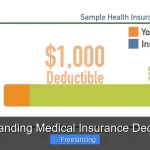
Your deductible is the amount you pay for covered services before your insurance starts to pay. Let’s say your deductible is $1,500. You’ll pay the first $1,500 of medical costs yourself. After that, your insurance kicks in.
Copay (Copayment)
A copay is a fixed amount you pay when you receive a service, like a doctor’s visit or prescription. For example, you might pay $20 for a primary care visit or $10 for a generic prescription. This amount doesn’t count toward your deductible.
Coinsurance
Coinsurance is the percentage of costs you pay after you’ve met your deductible. If your plan covers 80% of costs and you’ve met your deductible, you pay 20%. For example, a $1,000 bill would cost you $200.
Out-of-Pocket Maximum
This is the most you’ll pay in a year for covered services. Once you hit this limit, your insurance pays 100% of covered costs for the rest of the year. This includes deductibles, copays, and coinsurance—but not premiums.
Network
Your network is the group of doctors, hospitals, and clinics that have agreed to provide services at negotiated rates. Sticking to in-network providers usually saves you money.
Out-of-Network
These are providers not in your plan’s network. Using them can cost more, and some plans don’t cover them at all—except in emergencies.
Preventive Care
This includes services like annual checkups, flu shots, and cancer screenings. Most plans cover preventive care at no cost to you, even before you meet your deductible.
How to Choose the Right Health Insurance Plan
Visual guide about Complete Guide to Health Insurance for Beginners
Image source: timehackhero.com
Choosing the right health insurance plan can feel like a puzzle. But if you follow a few simple steps, you’ll find one that fits your needs.
Step 1: Assess Your Health Needs
Ask yourself:
– Do you have ongoing medical conditions?
– Do you see a specialist regularly?
– Do you travel often?
– Are you planning to start a family?
If you have chronic conditions, you might want a plan with low out-of-pocket costs. If you travel frequently, you may need a PPO for flexibility.
Step 2: Compare Plans
Use tools like Healthcare.gov or your employer’s benefits portal to compare plans. Look at:
– Premiums
– Deductibles
– Copays and coinsurance
– Out-of-pocket maximums
– Network size
Don’t just look at the monthly cost. A plan with a low premium but a $10,000 deductible might cost you more overall if you get sick.
Step 3: Check for Subsidies
If your income is below 400% of the federal poverty level (about $60,000 for a single person in 2024), you may qualify for subsidies through the Health Insurance Marketplace. These can lower your monthly premium or help with out-of-pocket costs.
Step 4: Consider Your Budget
Ask:
– Can I afford the monthly premium?
– What if I get sick? Can I afford the deductible and copays?
– Do I have savings to cover unexpected medical bills?
A plan that’s too cheap might leave you with huge bills if you need care.
Step 5: Read the Fine Print
Look at the Summary of Benefits and Coverage (SBC). It explains what’s covered, what’s not, and how much you’ll pay. Don’t skip this—it can save you from surprises later.
Example: Choosing a Plan
Let’s say you’re 28, healthy, and don’t see doctors often. You might choose a high-deductible plan with a Health Savings Account (HSA). You pay a low premium, build up savings in the HSA, and only pay more if you need care.
Now let’s say you’re 45 and have diabetes. You might choose a plan with a lower deductible and more predictable out-of-pocket costs, even if the premium is higher.
When Can You Sign Up for Health Insurance?
Timing is everything when it comes to health insurance. You can only enroll in most plans during specific periods.
Open Enrollment Period
This is the main time to sign up for health insurance through the Marketplace. It usually runs from November 1 to January 15 each year. If you miss it, you may not be able to enroll until the next year—unless you qualify for a special enrollment period.
Special Enrollment Period (SEP)
You can enroll outside of open enrollment if you experience a life event, such as:
– Losing job-based coverage
– Getting married or divorced
– Having a baby
– Moving to a new state
– Becoming a dependent on someone else’s plan
These events give you 60 days to sign up.
Employer-Sponsored Plans
If you get insurance through your job, you usually have a 30-day window after your start date to enroll. Some employers offer additional enrollment periods.
Medicaid and CHIP
Medicaid and the Children’s Health Insurance Program (CHIP) have different rules. You can apply at any time if you qualify based on income.
What If You Missed the Deadline?
If you miss open enrollment and don’t qualify for a special enrollment period, you may have to wait until the next year. But you can still apply for Medicaid or CHIP at any time.
Health Insurance and the Affordable Care Act (ACA)
The Affordable Care Act (ACA), also known as “Obamacare,” changed how health insurance works in the U.S. Here’s what it means for you:
Pre-Existing Conditions
Insurers can no longer deny you coverage or charge you more because of pre-existing conditions like diabetes, asthma, or even past injuries.
Essential Health Benefits
All ACA-compliant plans must cover ten essential benefits, including:
– Ambulatory patient services
– Emergency services
– Hospitalization
– Maternity and newborn care
– Mental health and substance use treatment
– Prescription drugs
– Rehabilitative services
– Laboratory services
– Preventive care
– Pediatric services (including dental and vision for kids)
No-Lifetime or Annual Limits
Plans can’t put a cap on how much they’ll pay over your lifetime or in a single year.
Young Adult Coverage
Under the ACA, you can stay on your parent’s plan until age 26—even if you’re married, living on your own, or not in school.
Marketplace Plans
The ACA created the Health Insurance Marketplace, where you can compare and buy plans. You may also qualify for subsidies to lower your costs.
Tips for Managing Your Health Insurance
Once you have health insurance, it’s not just “set it and forget it.” Here’s how to manage it like a pro.
Keep Records
Save all your insurance documents—ID cards, explanation of benefits (EOB), and bills. These help you track what’s been paid and what you owe.
Review Annually
Every year during open enrollment, review your plan. Your health needs, income, and family situation may have changed. A plan that was perfect last year might not be this year.
Use Preventive Care
Take advantage of free preventive services. Early detection saves money and lives.
Ask Questions
Don’t be afraid to call your insurer or HR department. Ask about coverage, copays, and how to file a claim.
Use In-Network Providers
Sticking to your network saves money. If your doctor isn’t in-network, ask if they accept your plan.
Understand Your EOB
An Explanation of Benefits (EOB) shows what was billed, what your insurer paid, and what you owe. If something looks wrong, contact your insurer.
Consider an HSA
If you have a high-deductible health plan (HDHP), you can open a Health Savings Account (HSA). Contributions are tax-free, and you can use the money for medical expenses—even in retirement.
Common Mistakes to Avoid
Even experienced people make mistakes with health insurance. Here are some to avoid:
Not Reading the Fine Print
Skipping the Summary of Benefits and Coverage (SBC) can lead to surprises. Always read it before enrolling.
Choosing Based Only on Premium
A low premium can be misleading. A plan with a $100 monthly premium and a $7,000 deductible might cost you more overall than a $300 plan with a $1,500 deductible.
Forgetting to Update Your Information
If you get married, have a baby, or change jobs, update your enrollment. This can qualify you for a special enrollment period.
Not Using Preventive Care
Preventive services are free. Skipping them means missing out on early detection and potential savings.
Using Out-of-Network Providers Without Knowing
Always check if a provider is in-network before scheduling an appointment.
Not Reviewing Annually
Your plan might not fit your needs anymore. Don’t assume it will work forever.
Ignoring Subsidies
If you qualify for subsidies, you’re leaving money on the table. Check the Marketplace to see if you’re eligible.
Health Insurance for Specific Groups
Health insurance needs vary by life stage and situation. Here’s how different groups should approach it.
Young Adults
If you’re under 26, stay on your parent’s plan if possible. If not, shop the Marketplace. Look for plans with low deductibles and HSAs.
Families
Families need plans that cover multiple people. Look for plans with low out-of-pocket maximums and pediatric coverage. Consider dental and vision add-ons.
Seniors
Medicare is the primary health insurance for people 65 and older. It includes Part A (hospital), Part B (medical), and optional Part D (prescriptions). Some people also qualify for Medicaid.
Small Business Owners
If you own a small business, you can offer health insurance to employees. Consider SHOP (Small Business Health Options Program) plans, which offer tax credits.
Students
College students can stay on their parent’s plan until age 26. They can also get coverage through their school or the Marketplace.
Uninsured Individuals
If you’re uninsured, visit Healthcare.gov or call 1-800-318-2596. You may qualify for Medicaid or subsidies.
The Future of Health Insurance
Health insurance is evolving. Here’s what’s coming:
Telehealth Expansion
More plans now cover virtual visits. This makes care more accessible, especially for mental health and routine checkups.
Value-Based Care
Providers are being paid based on patient outcomes rather than services rendered. This could lead to better care and lower costs.
AI and Personalized Plans
Insurers are using AI to analyze data and offer personalized recommendations. This could help you choose the best plan for your health profile.
Price Transparency
New rules require hospitals and insurers to show prices upfront. This helps consumers compare costs and make informed decisions.
Expansion of HSAs
HSAs are becoming more popular. They offer triple tax advantages: tax-free contributions, growth, and withdrawals for medical expenses.
Conclusion: You’ve Got This
Health insurance doesn’t have to be confusing. Once you understand the basics—what it is, how it works, and how to choose a plan—you’ll feel more in control of your health and finances. Remember, the goal isn’t to find the cheapest plan. It’s to find the one that protects you when it matters most.
Take your time. Compare options. Ask questions. And don’t forget to review your plan every year. Health insurance is one of the smartest investments you can make—not just for your health, but for your peace of mind.
You’re not alone in this. Millions of people navigate health insurance every year, and you can do it too. With the right knowledge, you’ll be ready for whatever life throws your way.
Frequently Asked Questions
What is the difference between a premium and a deductible?
The premium is the monthly amount you pay for health insurance, while the deductible is the amount you pay out of pocket for covered services before your insurance starts to pay. For example, a $200 premium means you pay $200 each month, and a $1,500 deductible means you pay the first $1,500 of medical costs yourself.
Can I change my health insurance plan after enrolling?
You can only change your plan during the annual open enrollment period (usually November–January) or during a special enrollment period if you have a qualifying life event, like getting married or losing job-based coverage.
What is a Health Savings Account (HSA)?
An HSA is a tax-advantaged account that works with high-deductible health plans. You can contribute pre-tax dollars, use them for qualified medical expenses, and the funds grow tax-free. It’s a great way to save for future health costs.
Is health insurance required by law?
The individual mandate penalty for not having health insurance was eliminated in 2019. However, some states have their own requirements, and you may still want coverage to avoid medical debt.
How do I know if I qualify for subsidies?
If your income is below 400% of the federal poverty level (about $60,000 for a single person in 2024), you may qualify for premium tax credits or cost-sharing reductions through the Health Insurance Marketplace.
What should I do if I can’t afford health insurance?
You may qualify for Medicaid, CHIP, or subsidies through the Marketplace. Visit Healthcare.gov or call 1-800-318-2596 to explore your options. You can also check with your state’s Medicaid office.