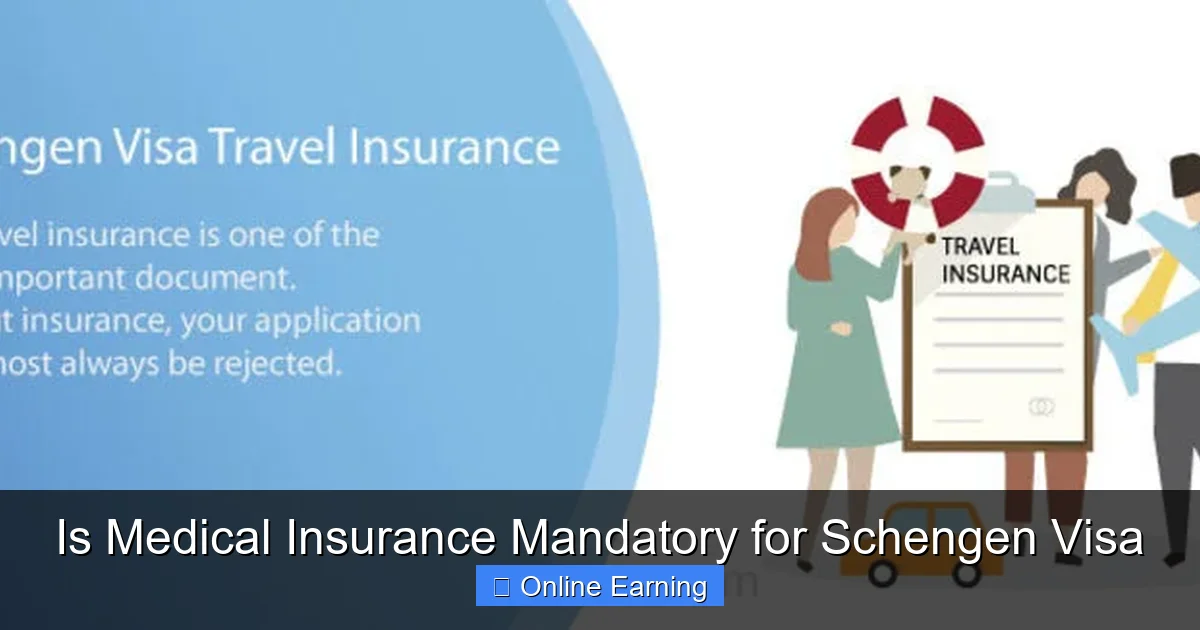
Medical insurance is absolutely mandatory for a Schengen visa—without it, your application will likely be rejected. It covers emergency medical expenses up to €30,000, ensuring you’re protected during your trip across the Schengen Area. This requirement isn’t optional; it’s a strict condition set by the European Union to safeguard travelers and reduce public healthcare burdens.
Key Takeaways
- Yes, medical insurance is required: All Schengen visa applicants must provide proof of valid health insurance covering at least €30,000 in emergency medical expenses.
- Coverage must be valid across all Schengen countries: Your policy must be valid for the entire duration of your stay in the 27 European countries.
- Insurance must cover repatriation and medical evacuation: This is crucial in case of serious illness or injury requiring urgent transport back to your home country.
- Travel duration affects policy length: The insurance must be valid from the first day of your trip until the last day of your intended stay.
- Failure to provide insurance leads to visa rejection: Missing or inadequate coverage is a common reason for Schengen visa denial.
- You can purchase insurance after getting the visa: But it’s safer to secure coverage before applying to avoid delays.
- Some countries have additional requirements: For example, Germany may require proof of coverage for specific treatments or extended stays.
📑 Table of Contents
- Is Medical Insurance Mandatory for Schengen Visa? Let’s Clear the Air
- Why Is Medical Insurance a Requirement for Schengen Visas?
- What Does “Valid Medical Insurance” Mean?
- How to Choose the Right Medical Insurance Plan
- What If You’ve Already Applied Without Insurance?
- Tips for a Smooth Schengen Visa Process
- Real-Life Examples: What Happens Without Insurance?
- Conclusion: Don’t Risk Your Dream Trip
Is Medical Insurance Mandatory for Schengen Visa? Let’s Clear the Air
Planning a trip to Europe sounds like a dream come true—rolling through Parisian streets, sipping wine in Tuscany, or hiking in the Swiss Alps. But before you pack your bags, there’s one crucial step you can’t skip: getting the right medical insurance. You’ve probably heard whispers that “it’s not that important,” or that “you can just wing it.” But let me tell you something straight up—medical insurance is absolutely mandatory for a Schengen visa, and skipping it could mean your dream trip ends before it even starts.
The Schengen Area includes 27 European countries, including popular destinations like France, Germany, Italy, Spain, and the Netherlands. To enter any of these countries, you need a visa—and one of the first things immigration officers will ask for is proof of health insurance. Why? Because the EU wants to protect its citizens and healthcare systems from unexpected medical costs brought in by foreign visitors. Without proper coverage, a single emergency could cost you thousands—or even bankrupt you.
In this article, we’ll break down everything you need to know about medical insurance for your Schengen visa. We’ll cover what it is, why it’s required, how to choose the right plan, and what to do if you’ve already applied without it. By the end, you’ll feel confident and prepared—no more last-minute panic or visa rejections. So grab a coffee, sit back, and let’s get into it.
Why Is Medical Insurance a Requirement for Schengen Visas?

Visual guide about Is Medical Insurance Mandatory for Schengen Visa
Image source: visitassured.com
The EU’s Protection Plan
The Schengen Agreement was created not just to make travel easier—it was also designed to protect member countries from financial and health risks. When you visit a Schengen country, you’re entering a shared space where healthcare systems are often overwhelmed during peak tourist seasons. If someone falls seriously ill and requires treatment, the cost can skyrocket. In some cases, patients are even held in hospitals until they pay—or until they’re deported.
To prevent this, the European Union made medical insurance a non-negotiable part of the visa process. It’s not about distrust—it’s about responsibility. By requiring insurance, the EU ensures that visitors don’t become a burden on public resources. This policy applies to all nationalities, whether you’re from the U.S., Canada, India, or anywhere else.
Common Misconceptions
Many travelers think, “I’m young and healthy—I don’t need insurance.” But accidents and illnesses don’t discriminate. A sudden allergic reaction, a broken bone from a fall, or even a heart attack can happen to anyone. Without insurance, you could face bills in the tens of thousands of euros. For example, a single day in an ICU in Germany can cost over €3,000—and that’s without surgery or long-term care.
Another myth is that your home country’s health insurance covers you abroad. While some plans offer limited international coverage, most don’t meet the Schengen requirements. The EU wants a minimum standard of €30,000 in coverage, and many domestic policies fall short. That’s why it’s safer to buy a dedicated travel insurance policy before you leave.
What Happens If You Don’t Have It?
Let’s be honest—no one wants to think about getting sick in a foreign country. But if you apply for a Schengen visa without valid medical insurance, your application will likely be rejected. Immigration officers check insurance documents during the application process. If they find none, or if the policy doesn’t meet the requirements, you’ll get a refusal letter explaining why.
Even if you somehow sneak into a Schengen country without insurance, you could be fined, denied entry at the border, or even deported. Some countries, like Germany and Austria, conduct random checks at airports and train stations. If you’re caught without coverage, you’ll be turned away—no questions asked.
What Does “Valid Medical Insurance” Mean?
Visual guide about Is Medical Insurance Mandatory for Schengen Visa
Image source: btw-crm-production.s3.amazonaws.com
Minimum Coverage Amount
The Schengen visa rules state that your medical insurance must cover at least €30,000 (approximately $33,000 USD) in emergency medical expenses. This includes things like hospital stays, surgeries, and emergency treatments. It’s not a suggestion—it’s a hard minimum. If your policy covers only €10,000, it won’t be accepted.
For example, imagine you’re in Spain and you need an emergency appendectomy. The average cost in a private hospital is around €8,000. If your insurance only covers €10,000, that’s not enough for serious procedures. You’d still be on the hook for thousands—or worse, the hospital might refuse treatment until you pay.
Coverage Duration
Your insurance must be valid for the entire duration of your trip. This means it starts on the first day you enter the Schengen Area and ends on the last day of your planned stay. If your trip is from June 1 to June 15, your policy must cover both those dates—no exceptions.
Some travelers make the mistake of buying a policy that starts a day later, or one that ends a day early. This small error can lead to rejection. Always double-check the dates on your policy and ensure they match your visa application.
Geographic Scope
The policy must be valid across all 27 Schengen countries. This includes not just France and Italy, but also less-traveled nations like Slovakia, Slovenia, and Estonia. If your policy only covers France and Germany, it won’t be accepted—even if you’re only visiting those two countries.
When shopping for insurance, look for a plan labeled “Schengen-compliant” or “valid in all Schengen countries.” Avoid policies that restrict coverage to certain regions unless you’re sure you won’t leave that area.
Coverage for Repatriation and Evacuation
This is one of the most important parts of your policy. In case of serious illness or injury, you may need to be transported back to your home country for treatment. Medical repatriation can cost tens of thousands of euros—especially if you need air ambulance services. Your insurance must cover these costs up to the €30,000 limit.
For example, if you’re hiking in the Alps and break your leg, a helicopter evacuation to a nearby hospital could cost €20,000. Without repatriation coverage, you’d have to pay out of pocket—or risk being stranded.
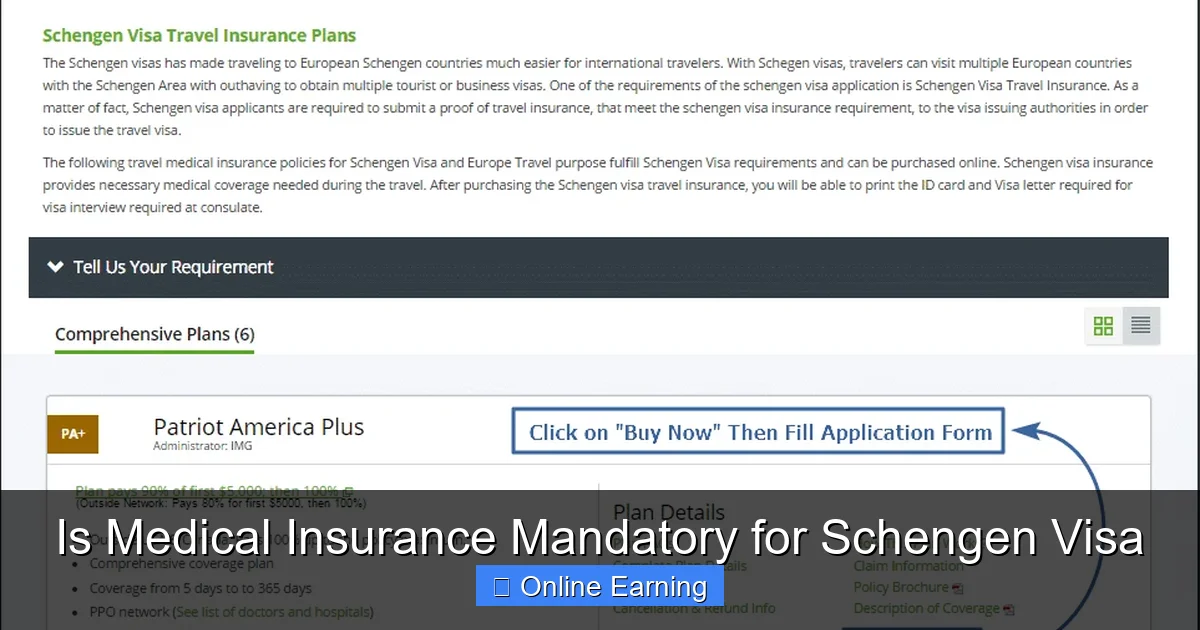
How to Choose the Right Medical Insurance Plan

Visual guide about Is Medical Insurance Mandatory for Schengen Visa
Image source: immihelp.com
Compare Providers
Not all travel insurance companies are created equal. Some specialize in Schengen visas and understand the exact requirements. Look for providers like World Nomads, SafetyWing, Allianz, or AXA. These companies offer policies specifically designed for Schengen travelers.
When comparing plans, check:
– Coverage amount (must be at least €30,000)
– Validity period (must match your trip dates)
– Geographic coverage (all Schengen countries)
– Repatriation and evacuation
– Pre-existing condition coverage (if applicable)
Check for Pre-Existing Conditions
If you have a chronic illness like diabetes, asthma, or heart disease, make sure your policy covers pre-existing conditions. Some policies exclude these, or require an additional fee. For example, a policy might cover a broken leg but not a heart attack if you have a history of cardiac issues.
When applying, you may need to provide medical records or answer health questions. Be honest—failing to disclose a condition could void your policy if you make a claim.
Read the Fine Print
Insurance policies can be confusing. Words like “deductible,” “copay,” and “exclusions” might seem technical, but they’re critical. A deductible is the amount you pay before insurance kicks in. If your policy has a €500 deductible, you’ll pay the first €500 of any medical bill.
Look for policies with low or no deductibles. Also, check for exclusions—some policies don’t cover dental, mental health, or cosmetic procedures. If you’re planning a skiing trip, make sure your policy covers sports injuries.
Get It Before You Apply
Once you have your insurance policy, keep the certificate or confirmation email safe. You’ll need to submit it with your visa application. Some embassies require original documents, so print a copy. If you apply without insurance, your visa will be rejected, and you’ll have to restart the process—costing time and money.
Pro tip: Buy insurance as soon as you book your trip. This way, you’ll have proof of coverage ready for your visa application.
What If You’ve Already Applied Without Insurance?
Don’t Panic
It happens. You might have thought your home insurance was enough, or you forgot to buy one. The good news? You can still fix this before your visa interview. Contact the Schengen embassy or consulate where you applied and explain the situation. Ask if you can submit insurance documents later.
Most embassies allow you to provide additional documents within a few days of your application. Just make sure to do it before your interview date.
Submit Proof of Insurance
Once you have your policy, gather the following:
– Insurance policy document
– Proof of payment (receipt or bank statement)
– Certificate of coverage (if provided by the insurer)
Submit these documents to the embassy via email or in person. Be polite but firm—explain that you’ve now secured valid coverage and ask if it can be accepted.
Reapply if Necessary
If the embassy refuses to accept your insurance after the fact, you may need to reapply. This means starting from scratch—paying the application fee again and rescheduling your interview. To avoid this, always double-check requirements before applying.
Tips for a Smooth Schengen Visa Process
Start Early
The Schengen visa process can take 15 to 30 days, sometimes longer during peak seasons like summer. Start your application at least 60 days before your trip. This gives you time to gather documents, buy insurance, and handle any delays.
Use a Visa Agency (Optional)
If the process feels overwhelming, consider using a visa agency. They can help with document preparation, insurance selection, and submission. Just make sure to choose a reputable one—check reviews and avoid scams.
Keep Digital and Physical Copies
Always keep both digital and printed copies of your insurance policy. Store digital copies in your email and cloud storage (Google Drive, Dropbox). Print one copy to carry with you during your trip—just in case.
Check Country-Specific Rules
While the €30,000 rule applies to all Schengen countries, some have additional requirements. For example:
– Germany: Requires proof of coverage for long-term stays and specific treatments.
– France: May ask for a detailed breakdown of your policy.
– Italy: Accepts most standard Schengen-compliant policies.
Research the country you’re visiting to avoid surprises.
Stay Updated
Visa and insurance rules can change. Check the official website of the Schengen visa application center in your country for the latest updates. For example, the website of the German Embassy in your country will have the most accurate information.
Real-Life Examples: What Happens Without Insurance?
Case Study 1: The Rejected Visa
Sarah, a software engineer from India, applied for a Schengen visa to visit her cousin in Paris. She had booked flights and a hotel but forgot to buy insurance. When she submitted her application, the embassy rejected it immediately. “You must provide proof of medical coverage,” the officer said. Sarah had to restart the process, pay the fee again, and wait another month. She missed her cousin’s birthday celebration—all because she skipped insurance.
Case Study 2: The Emergency in Spain
John, a Canadian tourist, visited Spain with a policy that only covered France and Italy. He fell ill in Barcelona and needed urgent care. The hospital refused treatment because his policy didn’t include Spain. He had to pay €5,000 out of pocket and was later fined for violating Schengen rules. Lesson learned: always check geographic coverage.
Case Study 3: The Last-Minute Fix
Maria from Brazil applied for a visa but didn’t have insurance. She called the Brazilian embassy and explained her situation. The embassy allowed her to submit a policy within 48 hours. She bought a plan from Allianz, submitted the documents, and got her visa approved. It was stressful, but it worked.
Conclusion: Don’t Risk Your Dream Trip
Medical insurance isn’t just a formality—it’s a lifeline. It protects you, your wallet, and the Schengen countries you’re visiting. Without it, you’re not just breaking the rules; you’re risking your health, your finances, and your ability to travel freely.
The good news? Getting the right insurance is easier than you think. With a little research, you can find a plan that’s affordable, comprehensive, and Schengen-compliant. Start early, read the fine print, and don’t cut corners. Your future self will thank you when you’re sipping espresso in Rome, knowing you’re fully protected.
Remember: medical insurance is mandatory for a Schengen visa. It’s not optional, and it’s not overkill. It’s the smartest thing you can do before you leave home. So don’t wait—get your policy today and enjoy your trip with peace of mind.
Frequently Asked Questions
Do I need medical insurance for a Schengen visa?
Yes, medical insurance is mandatory for all Schengen visa applicants. You must provide proof of coverage for at least €30,000 in emergency medical expenses, including repatriation and evacuation.
Can I use my home country’s health insurance for a Schengen visa?
Most domestic health insurance policies don’t meet the Schengen requirements. You need a dedicated travel insurance plan that covers at least €30,000 and is valid across all Schengen countries.
How long does the insurance need to be valid?
Your insurance must be valid from the first day of your trip until the last day of your intended stay. It must cover the entire duration of your visit to the Schengen Area.
What happens if I don’t have insurance when I arrive?
If you enter a Schengen country without valid insurance, you may be fined, denied entry, or deported. Some countries conduct random checks at borders and airports.
Can I buy insurance after getting my visa?
Yes, but it’s safer to buy it before applying. If you apply without insurance, your visa will likely be rejected, and you’ll have to restart the process.
Do all Schengen countries require the same coverage?
Yes, all 27 Schengen countries require a minimum of €30,000 in medical coverage. However, some countries may have additional requirements, so it’s wise to check with the specific embassy.