Buying health insurance can save you thousands—if you do it right. Many people make avoidable mistakes that lead to high out-of-pocket costs, denied claims, or inadequate coverage. From skipping network checks to underestimating deductibles, these errors can cost you more than you think. This guide walks you through the most common pitfalls and how to avoid them so you can make a smart, confident decision.
Key Takeaways
- Understanding Top Mistakes in Buying Health Insurance: Provides essential knowledge
📑 Table of Contents
- Introduction: Why Choosing the Right Health Insurance Matters
- 1. Picking the Lowest Premium Without Looking at the Full Cost
- 2. Ignoring the Network of Doctors and Hospitals
- 3. Not Understanding Deductibles, Copays, and Coinsurance
- 4. Skipping Preventive Care Coverage
- 5. Overlooking Exclusions and Policy Limitations
- 6. Not Using a Health Savings Account (HSA)
- 7. Making Emotional or Impulse Decisions
- Conclusion: You’ve Got This
Introduction: Why Choosing the Right Health Insurance Matters
Health insurance isn’t just a piece of paper—it’s your financial safety net when you get sick or injured. But for many people, the process of buying health insurance feels overwhelming. Between confusing terms like “deductible,” “coinsurance,” and “out-of-network,” it’s no wonder so many make costly mistakes.
You might think, “I’ll just pick the cheapest plan,” or “My friend said this one’s good,” but those shortcuts can backfire. A low premium might sound great, but if your deductible is $10,000 and your doctor isn’t in-network, you could end up paying thousands out of pocket. On the other hand, a more expensive plan might actually save you money if you have regular medical needs.
This article dives into the top mistakes people make when buying health insurance—and how to avoid them. Whether you’re shopping for the first time or switching plans, these insights will help you make a smarter choice. Let’s get started.
1. Picking the Lowest Premium Without Looking at the Full Cost

Visual guide about Top Mistakes in Buying Health Insurance
Image source: blog.fincover.com
Why Low Premiums Can Be a Trap
Many people focus only on the monthly premium—the amount you pay each month for coverage. It’s natural to want the cheapest option, especially if you’re on a tight budget. But the premium is just one piece of the puzzle. If the plan has a high deductible or limited coverage, you could end up paying far more when you actually need care.
For example, imagine two plans:
– Plan A: $200/month premium, $5,000 deductible
– Plan B: $400/month premium, $1,500 deductible
At first glance, Plan A seems cheaper. But if you need an emergency surgery, Plan A could cost you $5,000 before insurance kicks in—plus the $2,400 in premiums over the year. Plan B might only cost $2,280 total. That’s a big difference.
How to Compare Plans Accurately
Instead of just looking at the premium, use the “total cost of care” approach. Add up:
– Annual premiums
– Expected out-of-pocket costs (deductible + copays + coinsurance)
– Any uncovered services
Many insurance marketplaces (like Healthcare.gov) let you compare plans side by side using a tool called the “Summary of Benefits and Coverage.” This shows you estimated costs for common services like doctor visits, prescriptions, and imaging.
Tip: If you’re generally healthy and rarely visit the doctor, a high-deductible plan with a Health Savings Account (HSA) might save you money. But if you have ongoing conditions, a lower-deductible plan could be worth the extra premium.
2. Ignoring the Network of Doctors and Hospitals

Visual guide about Top Mistakes in Buying Health Insurance
Image source: insurancemoneyquotesandwisdom.com
What Is an Insurance Network?
An insurance network is a group of doctors, hospitals, and clinics that have agreed to provide care at negotiated rates. When you use in-network providers, your insurer pays a larger portion of the bill. Out-of-network care usually costs you much more—and sometimes isn’t covered at all.
For example, if you go to an out-of-network ER, you might pay 50% of the bill even after meeting your deductible. That can easily add up to thousands of dollars.
How to Check Your Network
Before choosing a plan:
1. Look up your current doctor(s) on the insurer’s website.
2. Confirm they’re listed as in-network.
3. Check if your hospital, pharmacy, and specialists are included.
If your doctor isn’t in-network, ask if they accept assignment (meaning they agree to charge only in-network rates). Some doctors do, even if they’re technically out-of-network.
Pro tip: Even if your primary care doctor is in-network, their referrals (like to a specialist) might not be. Always double-check.
3. Not Understanding Deductibles, Copays, and Coinsurance

Visual guide about Top Mistakes in Buying Health Insurance
Image source: mhonividentemx.com
Breaking Down Health Insurance Costs
These three terms are the backbone of most health plans. Let’s clarify what they mean:
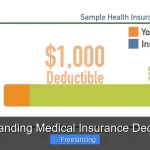
– Deductible: The amount you pay for covered services before your insurance starts paying. For example, if your deductible is $1,000, you pay the first $1,000 of medical bills.
– Copay: A fixed amount you pay for a service (like $20 for a doctor visit). This usually applies after you’ve met your deductible.
– Coinsurance: The percentage you pay after meeting your deductible (e.g., 20% of a $500 bill = $100).
Many people get confused because some services (like preventive care) are covered before the deductible, while others (like specialist visits) aren’t.
Example: How Costs Add Up
Let’s say you have a $2,000 deductible plan with 20% coinsurance.
– You visit the ER for a sprained ankle: $1,500 bill. You pay the full $1,500 (deductible).
– You see your doctor: $300 bill. You’ve already met your deductible, so you pay 20% = $60.
– Total out-of-pocket: $1,560.
Compare that to a plan with a $500 deductible and 10% coinsurance. Same services might only cost you $650. That’s over $900 less!
4. Skipping Preventive Care Coverage
Why Preventive Care Is Crucial
Preventive services—like annual checkups, vaccinations, mammograms, and blood pressure screenings—are designed to catch health issues early or prevent them altogether. The good news? Most plans cover these at 100% (no deductible or copay).
Ignoring preventive care can lead to bigger, more expensive problems down the road. For instance, untreated high blood pressure can cause a stroke. Early detection through regular checkups can prevent that.
What’s Covered?
Under the Affordable Care Act (ACA), all ACA-compliant plans must cover these preventive services without cost-sharing:
– Routine physical exams
– Cancer screenings (colon, breast, cervical)
– Flu shots
– Diabetes screening
– Depression screening
Make sure your plan includes these. If it doesn’t, you might be buying from a non-ACA plan (which could be cheaper but offer less protection).
5. Overlooking Exclusions and Policy Limitations
What Are Policy Exclusions?
Exclusions are services or conditions your plan won’t cover. Common ones include:
– Cosmetic surgery
– Experimental treatments
– Fertility treatments (unless mandated by state law)
– Mental health services (varies by plan)
– Dental and vision (unless it’s a separate plan)
Some plans also have annual or lifetime caps on coverage—though the ACA banned lifetime limits, some short-term plans still have them.
How to Spot Hidden Restrictions
Read the Evidence of Coverage (EOC) document. It’s not as scary as it sounds—it’s the legal summary of your plan. Look for:
– Waiting periods (e.g., “You must wait 6 months before covering maternity care”)
– Pre-existing condition clauses (less common now due to ACA, but still present in some plans)
– Claim deadlines (e.g., “You must submit claims within 12 months”)
If anything’s unclear, call the insurer or ask a licensed agent. Don’t assume everything is covered.
6. Not Using a Health Savings Account (HSA)
What Is an HSA?
A Health Savings Account (HSA) is a tax-free savings account that works with high-deductible health plans (HDHPs). You can contribute pre-tax dollars, use them for qualified medical expenses, and even invest the balance. The money rolls over year after year.
For example, in 2024, individuals can contribute up to $4,150 to an HSA. That’s free money that grows tax-free.
Why HSAs Are a Smart Move
– Tax savings: Contributions reduce your taxable income.
– Investment growth: You can invest HSA funds in stocks or mutual funds.
– Flexibility: Use it for current or future medical costs.
Even if you don’t max it out, starting with $50–$100/month builds a safety net. Plus, it’s yours—even if you change jobs or retire.
7. Making Emotional or Impulse Decisions
The Pressure to Buy Quickly
Open enrollment ends quickly—usually just a few weeks. That pressure can lead to rushed decisions. You might say, “I’ll decide later,” but life happens. A sudden illness or job loss can force you into a plan that’s not right for you.
Also, some agents use high-pressure tactics: “This is the last day!” or “Don’t wait—rates go up!” Remember, you have time. Most states allow special enrollment periods if you have a life event (like losing job-based coverage).
How to Stay Calm and Informed
– Make a list of your medical needs.
– Compare 3–5 plans side by side.
– Use online calculators to estimate costs.
– Talk to a licensed insurance agent—not just any salesperson.
Take your time. A good decision today saves you stress—and money—tomorrow.
Conclusion: You’ve Got This
Buying health insurance doesn’t have to be stressful. Yes, it’s complex—but breaking it down into manageable steps makes it easier. Avoid the top mistakes: don’t just chase low premiums, check your network, understand costs, and read the fine print.
Remember, health insurance is an investment in your peace of mind. The right plan protects you from financial ruin when illness strikes. Take the time to compare, ask questions, and choose wisely.
And hey—if you’re still unsure, that’s okay. Many people need help navigating this. Reach out to a licensed agent or use government resources like Healthcare.gov. You don’t have to figure it all out alone.
Your health—and wallet—will thank you.
Frequently Asked Questions
What’s the difference between a premium and a deductible?
The premium is what you pay monthly for coverage. The deductible is what you pay out-of-pocket before insurance starts covering costs. Both affect your total expenses.
Can I change my health plan outside of open enrollment?
Usually no—unless you have a qualifying life event like losing job-based coverage, getting married, or having a baby. These trigger special enrollment periods.
Are all doctors covered by my insurance plan?
No. Only in-network providers are covered at lower rates. Always check your insurer’s provider directory before scheduling appointments.
What if I miss a claim deadline?
Most plans require claims to be submitted within 90–12 months of service. Missing the deadline could mean losing coverage for that expense.
Is a high-deductible plan right for me?
It depends. If you’re young, healthy, and rarely see the doctor, it might save you money. But if you have ongoing medical needs, a lower-deductible plan may be better.
Do I need separate dental and vision insurance?
Not always. Some health plans include basic dental and vision. Others require separate policies. Check your Summary of Benefits to be sure.