Applying for a family visa can be overwhelming, but with the right steps, it’s manageable. This guide breaks down the entire process into clear, actionable stages—from determining eligibility to submitting your application. Whether you’re sponsoring a spouse, child, or parent, we’ll walk you through every detail so you can bring your loved ones to your new home confidently.
Key Takeaways
- Eligibility is key: You must meet specific relationship and financial requirements to sponsor a family member for a visa.
- Document checklist: Gather birth certificates, marriage proof, police clearances, and financial statements before applying.
- Application method: Most family visas are submitted online through official government portals or via a licensed immigration agent.
- Processing times vary: Wait times depend on your country, visa type, and completeness of your application—plan accordingly.
- Interview may be required: Some applications require an in-person interview to verify relationships and intentions.
- Stay updated: Immigration rules change—always check the latest guidelines on your government’s official website.
📑 Table of Contents
- Step by Step Guide to Family Visa Application
- Understanding Family Visa Eligibility
- Choosing the Right Visa Category
- Preparing Your Documents
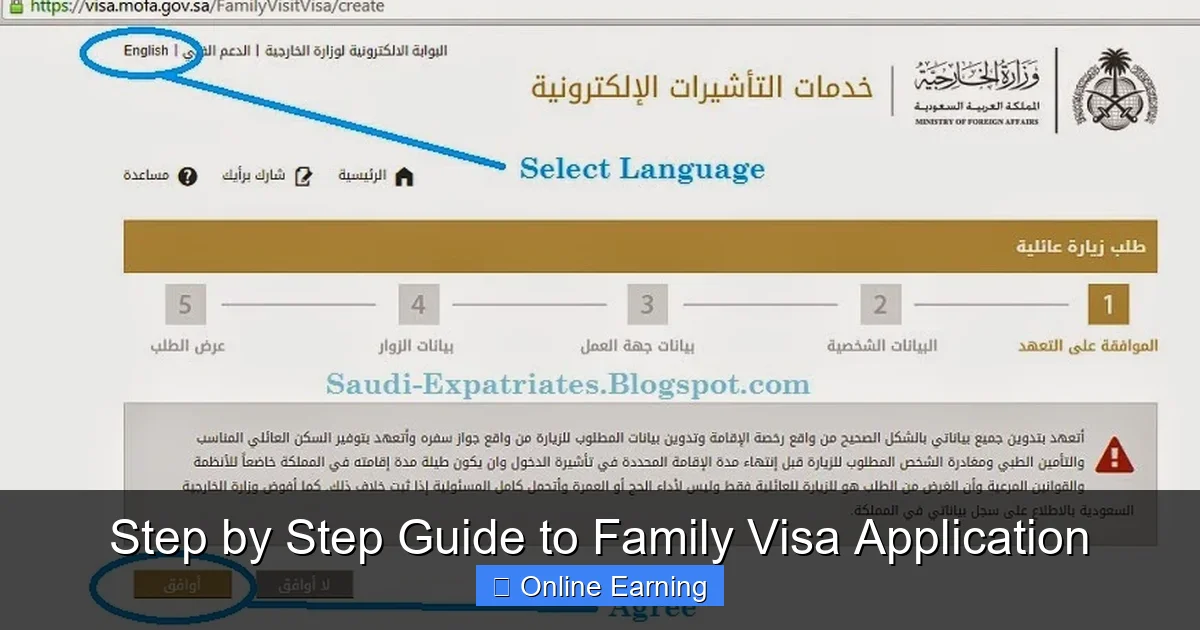
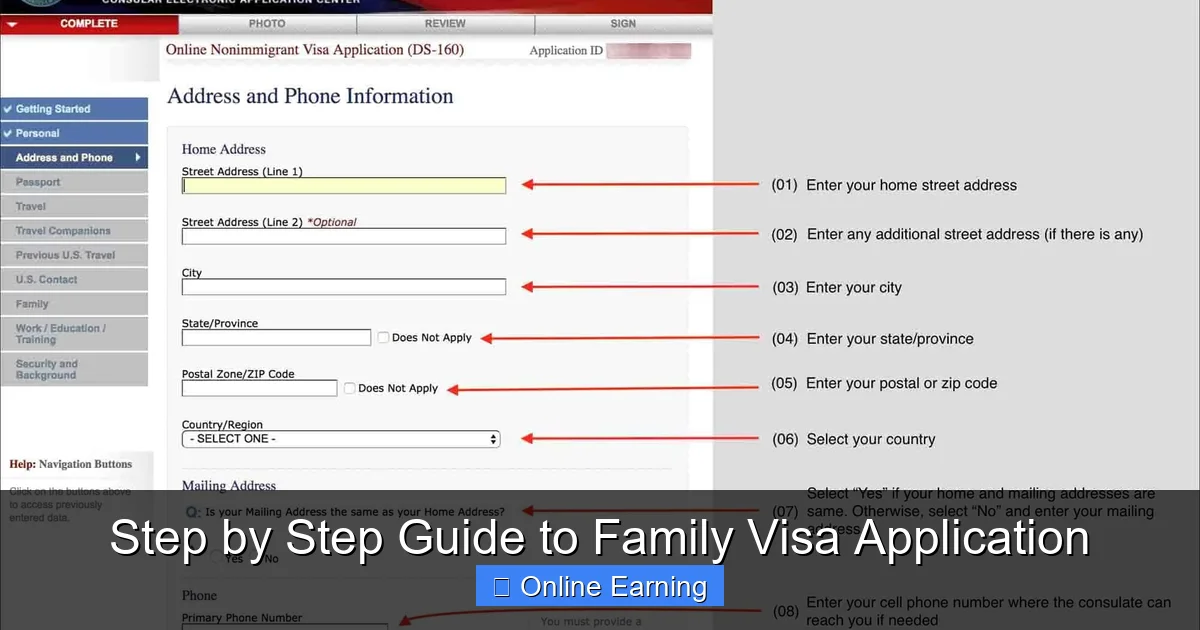
- Filling Out the Application Form
- Submitting Your Application
- Waiting for a Decision
- After Approval: Next Steps
- Tips for a Smooth Application
- Conclusion: Your Family’s Journey Begins Here
Step by Step Guide to Family Visa Application
Introduction: Why This Guide Matters
Bringing your family together is one of life’s most meaningful journeys. Whether you’re reuniting with your spouse after years apart, sponsoring your children, or helping your parents settle in a new country, the family visa process can feel intimidating. Forms, fees, documents—it’s easy to feel lost. But don’t worry. This step-by-step guide will walk you through everything you need to know to successfully apply for a family visa, whether you’re applying from abroad or within your home country.
We’ll cover everything from understanding eligibility to preparing your documents, submitting your application, and what to expect during the review process. By the end of this article, you’ll have a clear roadmap—no jargon, no confusion, just practical advice from someone who’s been through it. Let’s get started.
Understanding Family Visa Eligibility
Who Qualifies for a Family Visa?
A family visa allows you to bring close relatives to live with you in a new country. However, not every family member automatically qualifies. Eligibility depends on the country you’re immigrating to and the type of family relationship. Common eligible relationships include:
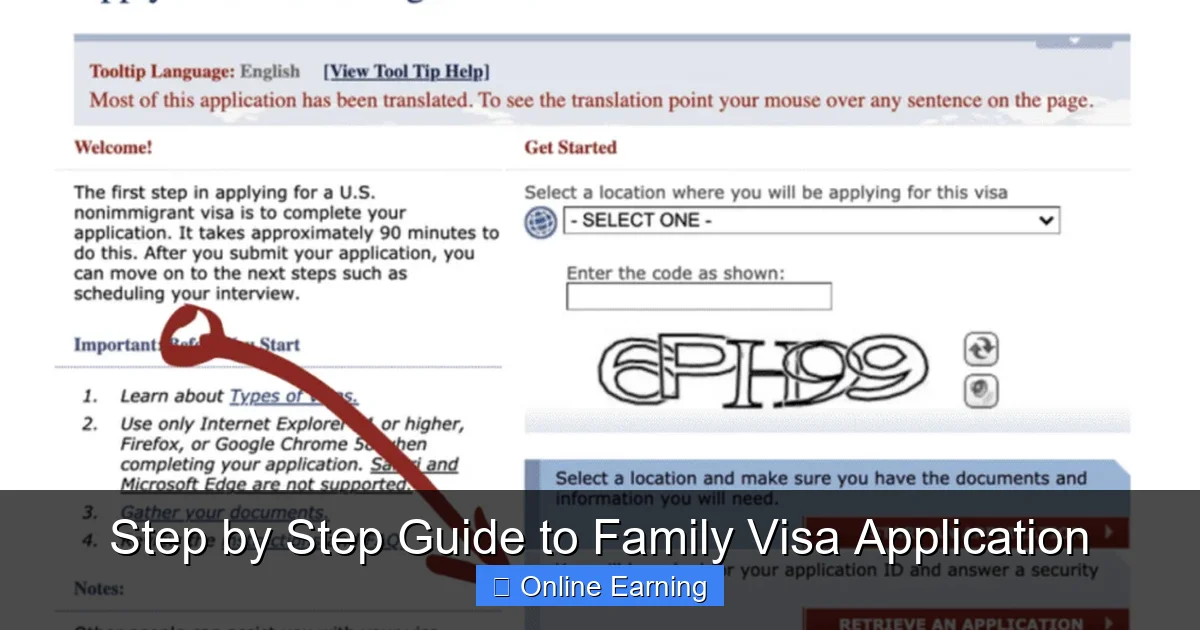
Visual guide about Step by Step Guide to Family Visa Application
Image source: 2.bp.blogspot.com
- Spouse or civil partner
- Unmarried dependent children (under 18, or up to 21 if studying full-time)
- Parents or grandparents (often with stricter financial requirements)
- Siblings (rarely eligible unless exceptional circumstances apply)
For example, in the United States, the Family-Based Immigration program prioritizes immediate relatives like spouses and unmarried children under 21. Extended family members, such as parents or siblings, fall into preference categories with longer wait times. Always check your country’s specific rules—what works in Canada may not apply in Australia or the UK.
Financial Responsibility Requirements
Most countries require you to prove you can financially support your family member without relying on public assistance. This is called the affidavit of support or undertaking. You’ll need to show:
- Employment status
- Bank statements
- Tax returns from the past few years
- Proof of housing that can accommodate your relative
For instance, in Canada, sponsors must meet the Low-Income Cut-Off (LICO) threshold. If your income is too low, you may need a co-signer. In the UK, the sponsor must earn at least £29,000 per year (or £23,000 if you have children). These rules exist to prevent strain on public services—so honesty and accuracy are crucial.
Choosing the Right Visa Category
Immediate vs. Extended Family Visas
Family visas are often split into two main categories: immediate relatives and extended family. Immediate relatives typically have faster processing and fewer restrictions. Extended family visas may require longer waiting periods and additional documentation.
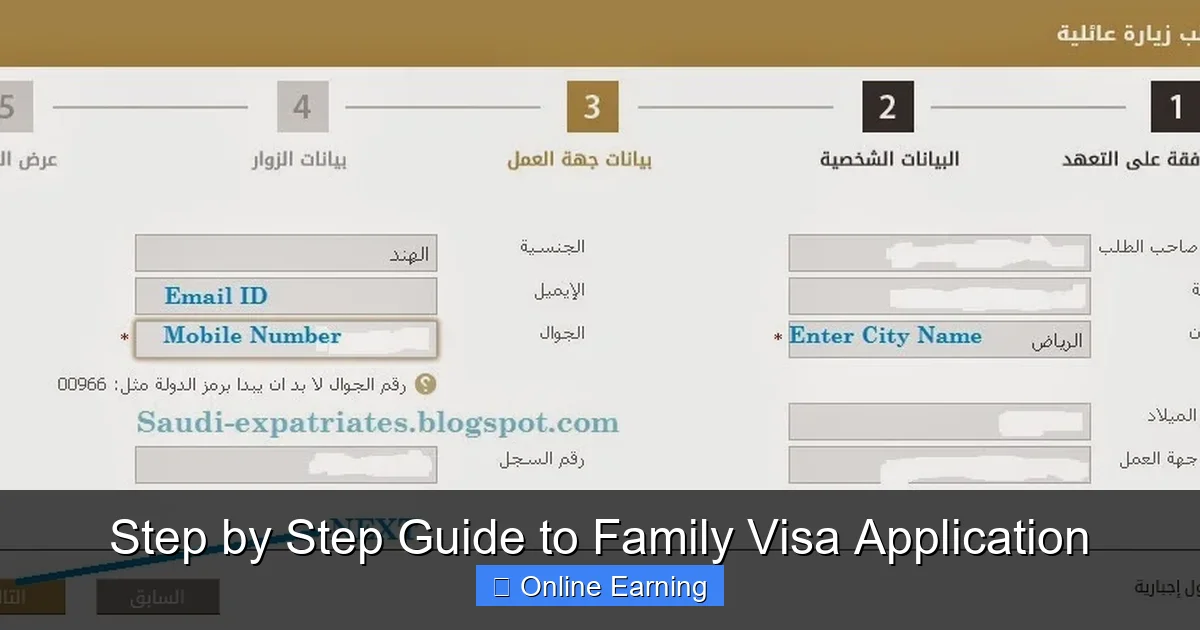
Visual guide about Step by Step Guide to Family Visa Application
Image source: 3.bp.blogspot.com
Example: In the U.S., your spouse and unmarried children under 21 are immediate relatives (Category F1). Your parents, however, fall under a different category and may wait years due to annual visa quotas.
Spouse and Partner Visas
The most common family visa type is for spouses or partners. Requirements usually include:
- Proof of a genuine and ongoing relationship (photos, messages, joint bank accounts)
- Marriage certificate or civil partnership proof
- Biometric data
In the UK, for example, you’ll need to submit evidence that your marriage is not solely for immigration purposes. A cohabitation letter from a friend, utility bills in both names, and joint tenancy agreements help strengthen your case.
Visas for Children and Parents
For children, the focus is on dependency. If your child is under 18 and unmarried, they’re usually considered dependent. If they’re 18–21 and still financially reliant (e.g., full-time students), they may still qualify.
Parent visas are trickier. Many countries require sponsors to be at least 21 and have sufficient income. In Australia, for example, parents must meet a Centrelink income test and may need to pay a significant health deposit.
Preparing Your Documents
Essential Documents Checklist
Gathering documents early prevents delays. Here’s a general checklist:
Visual guide about Step by Step Guide to Family Visa Application
Image source: i.pinimg.com
- Valid passports for both sponsor and applicant
- Birth certificate(s) of the applicant
- Marriage certificate (if applicable)
- Police clearance certificates from the applicant’s home country and any country lived in for 6+ months in the past 10 years
- Medical examination results (usually required)
- Proof of relationship (photos, letters, travel records)
- Financial documents (bank statements, tax returns, employment letter)
- Housing proof (lease agreement, property deed)
Tip: Always get certified translations if your documents aren’t in the official language of the country you’re applying to. Notarization may also be required.
Medical Exams and Background Checks
Most countries require a medical exam by an approved doctor. This checks for communicable diseases and ensures the applicant is in good health. The exam usually includes blood tests, chest X-rays, and vaccinations.
Background checks are equally important. You’ll need police clearance from every country where you’ve lived for over six months in the last decade. These can take weeks to obtain, so start early.
Filling Out the Application Form
Online vs. Paper Applications
Most modern family visa applications are done online. Platforms like the U.S. USCIS website or the UK Visas and Immigration portal make it easier to upload documents, track progress, and pay fees electronically.
Paper applications are rare but possible. If you choose this route, ensure every section is filled out clearly—errors can lead to rejection.
Common Mistakes to Avoid
- Incorrect personal details: Double-check names, dates, and passport numbers.
- Incomplete sections: Leave nothing blank unless instructed.
- Missing signatures: Both sponsor and applicant may need to sign.
- Wrong fee payment: Use only the official fee listed on the government site.
Example: A common error in Canadian applications is misspelling the applicant’s last name on the form versus the passport. This can cause processing delays.
Paying the Visa Fee
Fees vary widely. For example:
- U.S. spouse visa (IR-1): ~$535
- UK spouse visa: ~£1,846
- Australia parent visa (subclass 103): ~$4,270
Payment is usually made online via credit card or bank transfer. Keep the receipt—you’ll need it for tracking.
Submitting Your Application
Where and How to Submit
Most applications are submitted online through government portals. You’ll create an account, upload documents, and pay the fee. Some countries also allow mail submissions, but these take longer and offer less tracking.
After submission, you’ll receive a confirmation number. Save this—it’s your proof of application.
Biometric Appointments
Many countries require fingerprinting and photo scans. You’ll be notified to visit a designated center. Bring your appointment letter and ID. Arrive early—late arrivals may be rescheduled, delaying your case.
Waiting for a Decision
Processing Times
Processing times depend on:
- Country of application
- Visa category
- Time of year (peak seasons slow things down)
- Completeness of your application
For example:
- U.S. spouse visas: 8–12 months
- UK family visas: 6–12 months
- Australia parent visas: 2–5 years (waitlist)
Check your country’s official website for current estimates. Sign up for email updates to be notified of progress.
What to Do While Waiting
- Stay in touch: Respond promptly to any requests for additional info.
- Don’t travel: Leaving may void your application or delay it.
- Keep records: Save all emails, letters, and receipts.
After Approval: Next Steps
Visa Issuance
Once approved, you’ll receive a visa grant notice. For electronic visas (e-Visas), it’s sent via email. For physical visas, it’s stamped in the passport.
Check the validity period—most family visa grants are for entry within 6 months, with a stay of up to 2 years (renewable).
Arrival and Residency
Upon arrival, your relative may need to register with local authorities or apply for a residence permit. In the EU, for example, family members of EU citizens must register within 3 months.
They’ll also need to open a bank account, enroll in healthcare, and possibly attend a language or integration course.
Tips for a Smooth Application
- Start early: Gather documents months in advance.
- Be honest: Falsifying info leads to bans.
- Use official sources: Avoid third-party “guaranteed approval” services.
- Seek help if needed: Licensed immigration consultants can guide you.
Final Thought: The family visa process is a marathon, not a sprint. Stay patient, organized, and informed. With this guide, you’re already ahead of the curve.
Conclusion: Your Family’s Journey Begins Here
Bringing your loved ones closer shouldn’t be stressful. By following this step-by-step guide, you’ve taken the hardest part—knowing where to start. From understanding eligibility to submitting your application and preparing for arrival, each step brings you closer to reuniting with your family.
Remember, every country has its own rules, so always verify the latest requirements on official government websites. And don’t hesitate to ask for help—immigration consultants, community centers, and online forums are full of supportive people who’ve walked this path.
Your family’s new chapter starts with one application. Take it one step at a time, and soon, you’ll be welcoming them into your home—together.
Frequently Asked Questions
What is a family visa, and who can apply for one?
A family visa allows you to bring close relatives—like a spouse, child, or parent—to live with you in a new country. You, the sponsor, must meet financial and relationship requirements. Eligibility varies by country, so always check official immigration guidelines.
How long does it take to process a family visa?
Processing times vary widely. For example, U.S. spouse visas take 8–12 months, while Australia parent visas can take 2–5 years. Always check your country’s official website for current estimates and plan accordingly.
Can I include my dependent child in a family visa application?
Yes, if your child is unmarried and under 18 (or under 21 if a full-time student and financially dependent). You’ll need their birth certificate and proof of dependency. Each child is considered a separate applicant.
Do I need a lawyer to apply for a family visa?
No, you don’t need a lawyer, but using a licensed immigration consultant can help avoid mistakes. Avoid unlicensed “guaranteed approval” services—they’re often scams and can lead to rejection or bans.
What happens if my family visa application is refused?
You’ll receive a refusal letter explaining the reasons. You may appeal or reapply, depending on the country. Fix the issues (e.g., missing documents or financial proof) and resubmit with stronger evidence.
Can my family member work while on a family visa?
In most cases, yes—family visa holders are usually allowed to work full-time. However, confirm this with your country’s immigration rules, as some restrict work until certain conditions are met.