Getting your UK visitor visa approved doesn’t have to be stressful. With the right preparation, clear documentation, and a compelling application, you can significantly increase your chances of success. Whether you’re visiting family, attending a conference, or enjoying a holiday, this guide walks you through practical steps to present a strong case to UK visa authorities. Follow these proven tips and avoid common pitfalls to make your application stand out.
Key Takeaways
- Start Early: Apply well in advance of your planned travel date to avoid last-minute stress and potential processing delays.
- Complete the Form Accurately: Double-check every field on the online application form to prevent rejection due to errors or omissions.
- Provide Strong Supporting Documents: Submit clear, up-to-date proof of ties to your home country, financial stability, and purpose of visit.
- Write a Clear Cover Letter: A well-written cover letter can explain your travel plans and reinforce your intent to return home.
- Attend Your Biometrics Appointment: Missing this step can lead to automatic visa refusal—don’t skip it.
- Be Honest and Consistent: Any inconsistencies in your application may raise red flags during processing.
- Prepare for the Interview (if required): Practice answering questions confidently and truthfully to support your application.
📑 Table of Contents
- Introduction: Your Gateway to the UK – Mastering the Visitor Visa
- Understanding the UK Visitor Visa: What It Covers
- Step-by-Step: How to Apply for a UK Visitor Visa
- Top UK Visitor Visa Approval Tips
- What Documents Do You Need?
- How to Write a Winning Cover Letter
- What Happens After You Apply?
- Pro Tips for a Smooth Application Experience
- Conclusion: Your Path to a Successful UK Visit
Introduction: Your Gateway to the UK – Mastering the Visitor Visa
Dreaming of exploring London’s historic landmarks, strolling through the rolling hills of the Cotswolds, or reconnecting with family in Manchester? The United Kingdom offers rich culture, world-class education, and breathtaking landscapes—but first, you’ll need a UK visitor visa. Whether you’re visiting for tourism, business, or to meet loved ones, getting your visa approved is a crucial step. And while the process might seem daunting, with the right approach, you can navigate it like a pro.
This article is your go-to guide for UK visitor visa approval tips. We’ll walk you through everything from preparing your documents to writing a compelling cover letter and avoiding common mistakes. By the end, you’ll feel confident and prepared to submit a strong application that increases your chances of approval. Let’s make your UK journey possible—one smart step at a time.
Understanding the UK Visitor Visa: What It Covers
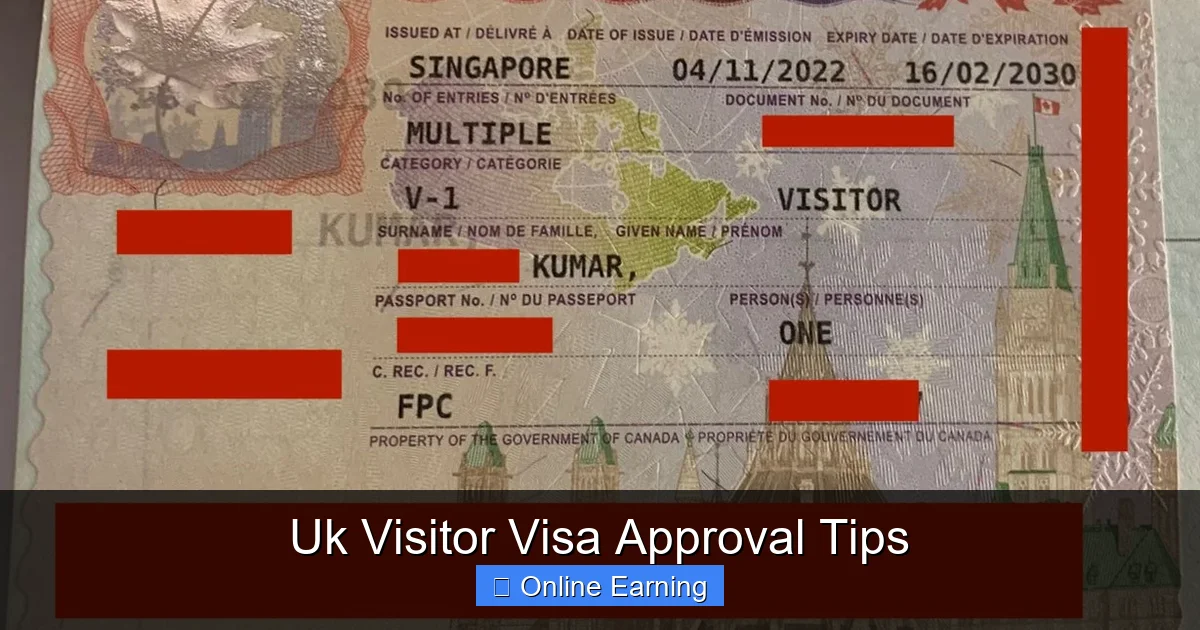
Visual guide about Uk Visitor Visa Approval Tips
Image source: ocscglobal.com
Before diving into the approval tips, it’s important to understand what the UK visitor visa covers. This visa allows you to enter the UK for specific purposes, including tourism, visiting family or friends, attending business meetings, or even taking short courses. It’s not for long-term work, study, or permanent residence—those require different visa types.
There are several categories under the visitor visa, such as the Standard Visitor Visa, Family Visitor Visa, and Business Visitor Visa. Each has slightly different requirements, but the core principles of approval remain the same: you must prove your intention to return home after your visit and demonstrate strong ties to your country of origin.
Who Needs a Visitor Visa?
If you’re a citizen of a country that requires a visa to enter the UK (which includes most nations outside Europe), you’ll need to apply for a visitor visa. Even short stays of up to six months typically require this visa, unless you’re from a visa-exempt country.
How Long Is It Valid?
A standard visitor visa is usually valid for up to six months, two years, or five years, depending on your circumstances. Multiple entries are often allowed, meaning you can visit the UK more than once during the visa’s validity period.
Step-by-Step: How to Apply for a UK Visitor Visa
Visual guide about Uk Visitor Visa Approval Tips
Image source: ocscglobal.com
The application process is straightforward but requires careful attention to detail. Here’s a breakdown of the key steps:
1. Check Your Eligibility
Before applying, confirm that you meet the basic criteria. You must:
– Be outside the UK
– Have a valid passport
– Be able to prove you’ll leave the UK at the end of your visit
– Show you have sufficient funds for your stay
– Provide evidence of your purpose (e.g., invitation letter, hotel bookings, flight tickets)
2. Complete the Online Application
Visit the official UK government website and fill out the visitor visa application form. Be honest and accurate—any false information can lead to a permanent ban from entering the UK.
3. Pay the Visa Fee
The fee varies based on your nationality, age, and the type of visa. As of 2024, the standard fee is around £115–£464, depending on your country. You’ll also need to pay an Immigration Health Surcharge (IHS) if you’re staying longer than six months.
4. Book and Attend Your Biometrics Appointment
You’ll need to visit a visa application center to provide fingerprints and a photograph. This is mandatory and cannot be skipped. Arrive early, bring your appointment confirmation, and carry all required documents.
5. Submit Supporting Documents
Upload or carry physical copies of your documents during the appointment. These include your passport, travel itinerary, proof of accommodation, financial records, and invitation letter (if applicable).
Top UK Visitor Visa Approval Tips
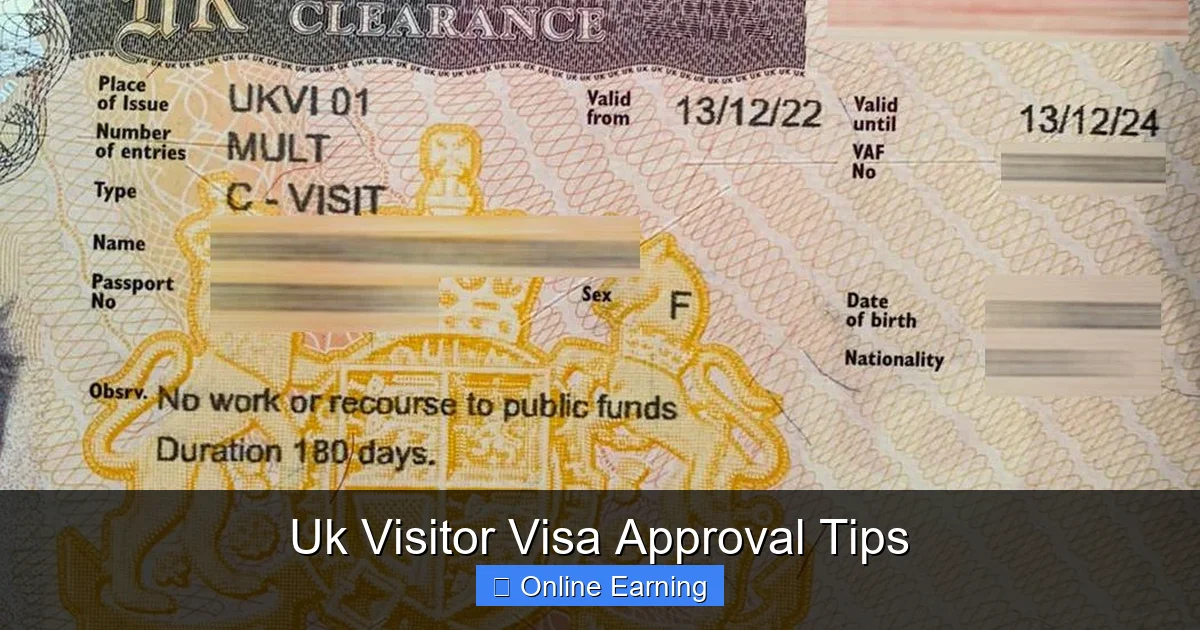
Visual guide about Uk Visitor Visa Approval Tips
Image source: visa-to-travel.com
Now that you understand the basics, let’s dive into the most effective strategies to boost your chances of approval.
1. Start Your Application Early
Don’t wait until the last minute. Processing times can range from 3 to 12 weeks, and during peak seasons (like summer), delays are common. Apply at least 8–10 weeks before your planned travel date. This gives you time to address any issues or reapply if necessary.
2. Fill Out the Form Carefully
Even small mistakes can cause delays or rejections. Double-check your spelling, dates, and passport numbers. If you’re unsure about a question, refer to the official guidance or seek help from a visa consultant.
3. Provide a Clear Travel Itinerary
Include a detailed day-by-day plan of your trip. Mention where you’ll stay, how you’ll travel, and your daily activities. For example: “I will stay with my cousin in Birmingham from June 10–17, then take the train to London to visit the British Museum and Tower Bridge.” This shows you’ve planned your trip responsibly.
4. Submit a Strong Cover Letter
A cover letter is your chance to explain your application in your own words. Start with your purpose of visit, how long you’ll stay, who you’ll meet, and why you’ll return home. Keep it professional but personal. Example: “I am writing to apply for a visitor visa to visit my sister in Manchester. I plan to stay for 10 days, during which I will spend time with her and explore nearby attractions. I am returning to my home country after the visit and will not work or study during my stay.”
5. Show Ties to Your Home Country
UK visa officers want to ensure you’ll leave at the end of your visit. Prove this with evidence such as:
– A job letter stating your position and salary
– Property ownership documents
– Bank statements showing regular income
– Family ties (e.g., marriage certificate, children’s birth certificates)
6. Demonstrate Financial Stability
You must show you can support yourself during your trip without relying on public funds. Include recent bank statements (last 3–6 months), pay stubs, or a sponsorship letter with proof of financial support. For example: “My employer, XYZ Company, has confirmed my salary of £45,000 per year and will continue to pay me during my absence.”
7. Invite Letter from a UK Resident (If Applicable)
If you’re visiting someone in the UK, ask them to write an invitation letter. It should include:
– Their full name, passport number, and UK address
– Relationship to you
– Dates of your visit
– A statement confirming they’ll support you financially and logistically
– Their contact information
8. Avoid Common Mistakes
Here are red flags to avoid:
– Incomplete applications
– Missing documents
– Inconsistent information across forms
– Poor handwriting (if submitting paper forms)
– Not attending the biometrics appointment
What Documents Do You Need?
Having the right documents is critical. While requirements vary slightly by country, most applicants need:
Essential Documents
- Valid passport (with at least one blank page and validity of 6+ months)
- Completed online application form
- Passport-sized photos meeting UK visa requirements
- Proof of financial means (bank statements, payslips, sponsorship letter)
- Travel itinerary (flight reservations, hotel bookings)
- Invitation letter (if applicable)
- Employment or study letter confirming your status
- Proof of ties to home country (property, family, job)
Additional Documents (Depending on Purpose)
- Conference or event invitation (for business visits)
- Medical insurance (optional but recommended)
- Marriage or birth certificates (for family visits)
How to Write a Winning Cover Letter
Your cover letter is your personal pitch. It should be clear, concise, and persuasive. Follow this structure:
1. Introduction
State your purpose and name. Example: “I am writing to apply for a Standard Visitor Visa to visit the United Kingdom for tourism purposes.”
2. Purpose of Visit
Explain why you’re going. Be specific: “I will be visiting London for 12 days to explore historical sites and meet my cousin, who lives in Camden.”
3. Itinerary and Accommodation
Mention where you’ll stay and how you’ll travel. Example: “I have booked a hotel in central London from June 5–17 and will use the Tube for local transport.”
4. Financial Support
Show you can afford the trip. Example: “I have sufficient funds in my bank account to cover all expenses, including accommodation, food, and sightseeing.”
5. Ties to Home Country
Reinforce your intention to return. Example: “I am a full-time employee at ABC Company in Mumbai, and my job is secure. I will return after my visit and continue my work.”
6. Conclusion
End politely. Example: “Thank you for considering my application. I look forward to a positive response and hope to visit the UK soon.”
What Happens After You Apply?
Once you’ve submitted your application, here’s what to expect:
1. Processing Time
Most applications are processed within 3 weeks, but it can take up to 12 weeks. Check the UK government website for current timeframes.
2. Decision Notification
You’ll receive an email or SMS with the decision. If approved, your passport with the visa stamp will be returned by post or collected from the application center.
3. If Your Visa Is Refused
You’ll receive a refusal letter explaining the reasons. You can reapply, but you’ll need to address the issues raised. Common reasons for refusal include insufficient funds, unclear travel plans, or doubts about your intent to return.
Pro Tips for a Smooth Application Experience
Here are extra tips to make the process easier:
Use the Right Language
Write your cover letter in clear, simple English. If you’re not confident, consider having a native speaker review it.
Keep Copies of Everything
Make digital and physical copies of all documents. You may need them for reference or reapplication.
Apply from Your Home Country
You must apply from the country where you’ve lived for the past 12 months. Applying from a third country may require additional documentation.
Stay Updated
Visa rules can change. Always check the official UK government website for the latest information.
Consider Professional Help (If Needed)
If your application is complex or you’ve been refused before, a certified visa agent can provide valuable guidance.
Conclusion: Your Path to a Successful UK Visit
Getting your UK visitor visa approved is entirely possible with the right preparation and mindset. By starting early, providing clear documentation, and writing a strong cover letter, you’ll present a compelling case to the visa officers. Remember, they’re not trying to reject you—they’re just ensuring you meet the requirements.
Follow the tips in this guide, stay organized, and be honest throughout the process. With determination and attention to detail, you’ll soon be packing your bags for your UK adventure. Whether it’s a dream vacation, a family reunion, or a business trip, your journey begins with a well-prepared application.
Start today, and take the first step toward an unforgettable experience in the United Kingdom.
Frequently Asked Questions
How long does it take to get a UK visitor visa?
Processing typically takes 3 to 12 weeks, depending on your country and time of year. Apply at least 8–10 weeks before travel to allow for delays.
Can I work on a visitor visa?
No, the visitor visa does not permit paid work. You may attend business meetings or conferences, but you cannot take a job or be self-employed.
Do I need travel insurance?
It’s not mandatory, but strongly recommended. Insurance covers medical emergencies, trip cancellations, and other unexpected events.
What if my visa is refused?
You’ll receive a refusal letter explaining the reasons. You can reapply after addressing the issues, such as providing more financial proof or clarifying your travel plans.
Can I extend my visitor visa?
Visitor visas cannot usually be extended. If you need to stay longer, you must leave the UK and apply for a different visa from outside the country.
Is the biometrics appointment required?
Yes, it’s mandatory for all applicants. Missing it will result in automatic refusal of your visa application.