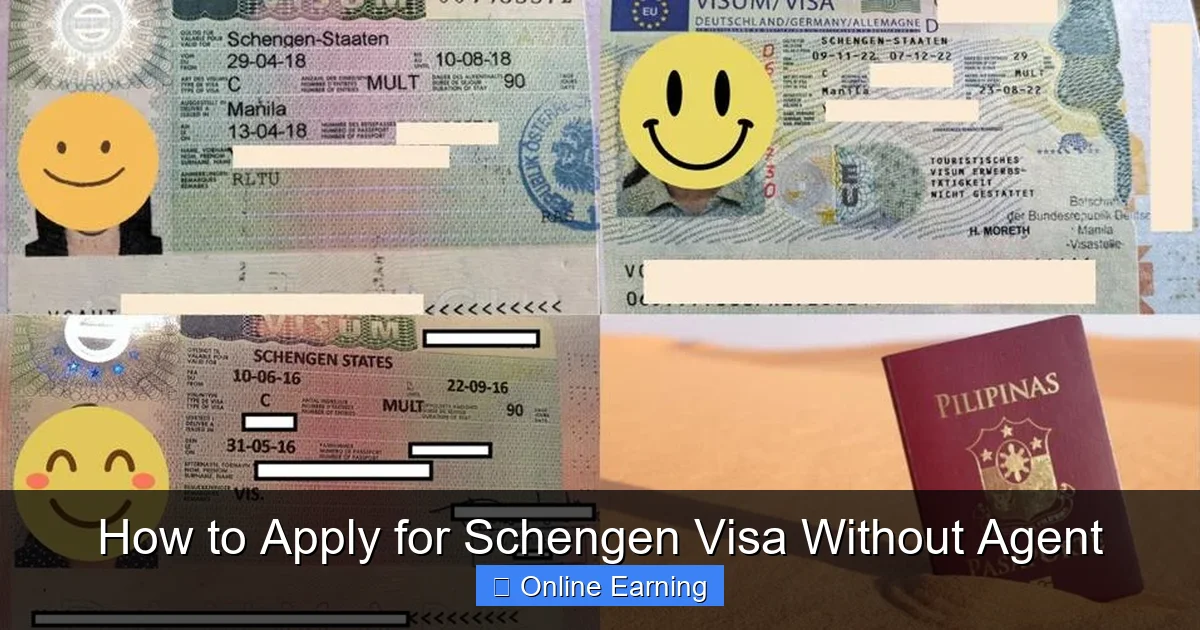
Applying for a Schengen visa without an agent is not only possible but can save you time, money, and stress. By following a clear, step-by-step process, you can handle your visa application independently using official resources. This guide breaks down everything you need to know—from document prep to interview tips—so you’re fully prepared and in control of your travel plans.
Key Takeaways
- You can apply for a Schengen visa without paying an agent. With the right information and preparation, the process is manageable on your own.
- Start early and gather all required documents. Missing paperwork is a common reason for delays or rejections.
- Book your appointment at the correct consulate. Choose the embassy where you reside or have your main purpose of visit.
- Complete the online application form accurately. Errors can lead to automatic rejection, so double-check every field.
- Prepare for your visa interview with confidence. Practice common questions and bring all original documents.
- Track your application status online. Most consulates allow you to check progress using your application number.
- Understand processing times and visa validity. Plan your trip accordingly to avoid last-minute stress.
📑 Table of Contents
- How to Apply for Schengen Visa Without Agent
- Understanding the Schengen Visa: What You Need to Know
- Step-by-Step Guide to Applying for a Schengen Visa on Your Own
- Common Mistakes to Avoid When Applying Without an Agent
- Tips for a Successful Visa Interview
- What to Do If Your Visa Is Denied
- Final Thoughts: You’ve Got This!
How to Apply for Schengen Visa Without Agent
Dreaming of walking along the canals of Amsterdam, hiking in the Swiss Alps, or sipping wine in Tuscany? The Schengen Area offers seamless travel across 27 European countries—but first, you’ll need a Schengen visa. While many travelers rely on visa agents to navigate the paperwork, you can absolutely apply on your own. In fact, doing it yourself can save you hundreds of euros in service fees while giving you full control over your application.
This guide walks you through every step of the process—from understanding the visa types to submitting your documents and preparing for your interview. Whether you’re a first-time applicant or returning to Europe, this article is your go-to roadmap for a smooth, agent-free Schengen visa journey.
Understanding the Schengen Visa: What You Need to Know
Before diving into the application, it’s important to understand what a Schengen visa is and why it matters. The Schengen Area includes 27 European countries that have abolished border controls between them. If you’re visiting more than one country during a single trip, you’ll typically apply through the country where you’ll spend the most time—or, if time is equal, the one you enter first.
Visual guide about How to Apply for Schengen Visa Without Agent
Image source: interweb.com.pk
Types of Schengen Visas
There are three main types of Schengen visas, each serving a different purpose:
- Short-Stay Visa (Type C): For tourism, business, family visits, or short-term study. This is the most common type and allows stays up to 90 days within a 180-day period.
- Long-Stay Visa (Type D): Required if you plan to stay longer than 90 days. This is for work, study, or family reunification and must be applied for at the embassy of the country where you’ll reside.
- National Visa: Used for specific purposes like au pair, research, or diplomatic travel. These are rare and highly regulated.
Why Apply Without an Agent?
Many people turn to visa agents because they seem like the “safe” option. But there are real benefits to doing it yourself:
- Save Money: Agents charge fees ranging from €100 to €300. By applying independently, you keep all that money in your pocket.
- Learn the Process: You’ll understand exactly what’s required, reducing anxiety for future trips.
- Full Control: You decide when to submit, what to include, and how to respond to requests.
- Faster Turnaround: You’re not waiting for an agent to collect documents or schedule appointments.
Step-by-Step Guide to Applying for a Schengen Visa on Your Own
Now that you know the basics, let’s walk through the actual application process. Follow these steps carefully, and you’ll be on your way to Europe in no time.
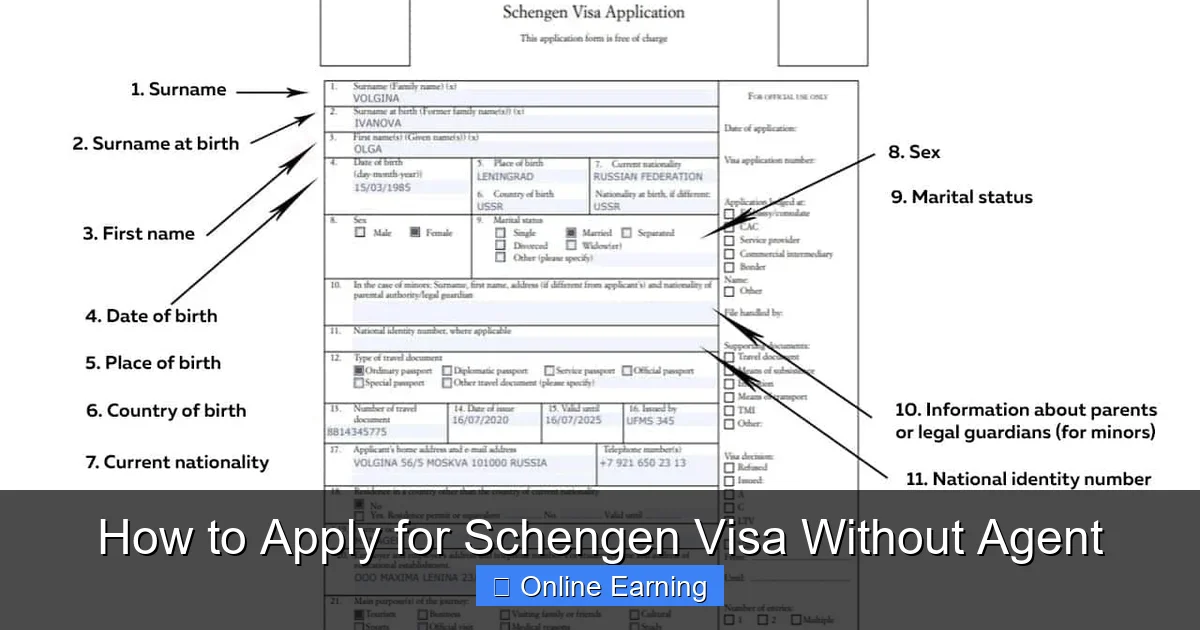
Visual guide about How to Apply for Schengen Visa Without Agent
Image source: myschengen.com
Step 1: Determine Which Country to Apply Through
Not every country requires the same documents, and processing times can vary. You must apply at the embassy or consulate of the country where:
- You’ll spend the most nights during your trip, OR
- You’ll enter first if time is split evenly.
For example, if you’re visiting France for 5 days, Italy for 4 days, and Spain for 3 days, and you enter through France, you apply there. Always check the official government website of the embassy you’re applying to—rules can change.
Step 2: Gather All Required Documents
Missing documents are the #1 reason for visa rejections. Here’s a checklist based on standard requirements:
- Completed Application Form: Fill out the official form online or download it from the embassy’s site. Print and sign it.
- Valid Passport: Must be valid for at least 3 months beyond your intended departure date from the Schengen Area and have at least two blank pages.
- Passport-Sized Photos: Two recent photos (35×45 mm) with a white background. No glasses or headwear unless religious.
- Travel Itinerary: Flight reservations (round-trip), hotel bookings, or a letter of invitation if staying with friends/family.
- Proof of Accommodation: Hotel confirmations, rental agreements, or an invitation letter from a host.
- Travel Insurance: Coverage of at least €30,000 for medical emergencies, repatriation, and hospitalization. Must be valid in all Schengen countries.
- Proof of Financial Means: Bank statements from the last 3–6 months, pay slips, or a sponsorship letter if someone else is funding your trip.
- Employment Letter: On company letterhead, stating your position, salary, and approved leave dates.
- Visa Fee Receipt: Pay the application fee (usually €80 for adults, €40 for children). Keep the receipt—you’ll need it for your appointment.
Step 3: Book Your Visa Appointment
You cannot submit your application without an appointment. Most embassies use online booking systems. Here’s how to do it:
- Visit the official visa application portal of the embassy (e.g., visa.vfsglobal.com for France).
- Create an account and select your country of application.
- Choose your preferred date and time slot.
- Upload scanned copies of your documents (if required).
- Pay the appointment fee (if applicable—some embassies include this in the visa fee).
💡 Pro Tip: Book your appointment as soon as the system opens. Popular dates fill up fast, especially during peak travel seasons.
Step 4: Attend Your Visa Interview
On the day of your appointment, arrive 15 minutes early. Bring all original documents plus copies. The consular officer may ask questions like:
- “Why are you visiting the Schengen Area?”
- “Where will you stay?”
- “How will you support yourself during your trip?”
- “Do you have family in the host country?”
Answer honestly and confidently. Don’t memorize answers—just be sincere. If they need more information, they’ll ask for it.
Step 5: Track Your Application Status
After your interview, you’ll receive a tracking number. Use it on the embassy’s website to check your application status. Processing usually takes 15 calendar days, but it can be longer during busy periods.
If approved, your passport will be returned via courier or picked up in person. If denied, you’ll receive a written explanation and can appeal within a set timeframe.
Common Mistakes to Avoid When Applying Without an Agent
Even with a checklist, mistakes happen. Here are the most common pitfalls and how to avoid them:
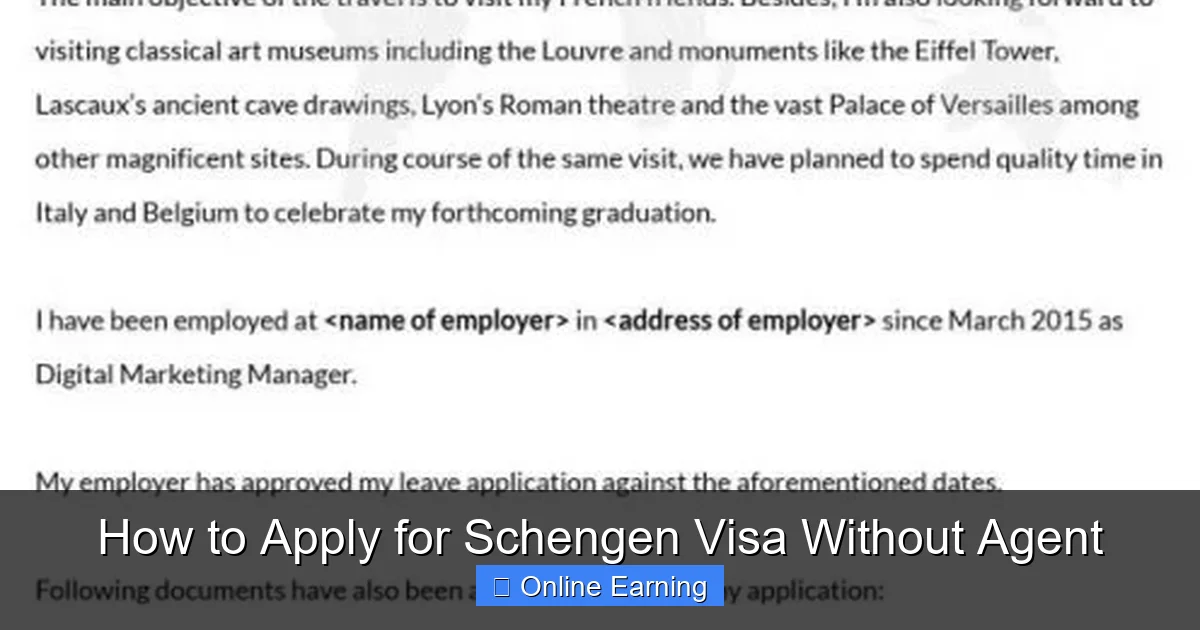
Visual guide about How to Apply for Schengen Visa Without Agent
Image source: flightitineraryforvisa.com
Not Applying Early Enough
Start your application at least 6–8 weeks before your trip. Some embassies process applications faster, but others take over a month. Don’t wait until the last minute!
Incorrect or Incomplete Forms
Typos, missing signatures, or outdated information can lead to rejection. Use the official form, fill it carefully, and have someone else review it before submitting.
Insufficient Financial Proof
Bank statements should show consistent income and enough funds to cover your trip. If you’re a student or unemployed, provide a letter from a sponsor with proof of their income.
Poor Travel Insurance
Not all insurance policies are accepted. Make sure yours covers the entire Schengen Area, includes emergency medical coverage up to €30,000, and is valid from the first day of travel.
Unrealistic Itinerary
Don’t book expensive flights or hotels and then cancel them later. If you cancel, explain why and provide evidence (e.g., a refund confirmation). Otherwise, consular officers may question your intent.
Tips for a Successful Visa Interview
Your interview is your chance to show you’re a trustworthy traveler. Here’s how to make a great impression:
Practice Your Answers
Prepare for common questions and rehearse your responses. Use simple, clear language. For example:
- “Where are you going?” → “I’m visiting Paris for 10 days to explore museums, visit the Eiffel Tower, and meet my cousin who lives there.”
- “How much money do you have?” → “I have €1,500 in my account and my sister is sponsoring the trip. I’ve attached her bank letter.”
Dress Professionally
Even if it’s just for an hour, dressing well shows respect. Business casual is ideal—no jeans or sneakers.
Bring Everything
Double-check that you have all documents: originals, copies, receipts, and insurance. Missing one item can delay processing.
Be Honest
If you’ve traveled to countries like Iran, Iraq, or North Korea in the past year, mention it. Transparency builds trust.
What to Do If Your Visa Is Denied
Don’t panic. A visa denial isn’t the end of the road. Here’s what to do:
- Read the Rejection Letter: It will explain the reason (e.g., insufficient funds, false documentation).
- Fix the Issue: Gather new evidence (e.g., updated bank statements, corrected itinerary).
- Reapply: You can reapply after 6 months, but make sure to address the previous issues.
- Appeal (if allowed): Some embassies allow appeals within 30 days. Check the rules.
Remember: Denials happen to even the most prepared travelers. Use the feedback to improve your next application.
Final Thoughts: You’ve Got This!
Applying for a Schengen visa without an agent is not only possible—it’s empowering. With the right preparation, you can save money, gain confidence, and take full ownership of your travel plans. The process may seem daunting at first, but breaking it into small steps makes it manageable.
Start early, gather your documents carefully, and treat the interview like a conversation—not an interrogation. Most importantly, believe in yourself. You’re ready to explore Europe, and your visa is just the first step.
Safe travels, and enjoy every moment of your Schengen adventure!
Frequently Asked Questions
Can I apply for a Schengen visa online without an agent?
Yes, you can apply online through the official visa portal of the embassy. You’ll need to fill out the form, upload documents, and book an appointment. However, you still need to attend an in-person interview.
How long does it take to get a Schengen visa without an agent?
Processing usually takes 15 calendar days, but it can take longer during peak seasons. Start your application at least 6–8 weeks before your trip to avoid delays.
Do I need travel insurance to apply for a Schengen visa?
Yes, travel insurance is mandatory. It must cover at least €30,000 for medical emergencies and be valid across all Schengen countries for the entire duration of your stay.
What if I’ve never traveled abroad before? Can I still apply?
Absolutely. First-time travelers are common applicants. Just provide strong proof of ties to your home country (like a job, family, or property) to show you’ll return after your trip.
Can I apply for a Schengen visa from any country?
You can apply from the country where you legally reside. If you’re in another country temporarily (e.g., on a student visa), check the rules with that country’s embassy.
What happens if I overstay my Schengen visa?
Overstaying can result in fines, deportation, or being banned from entering the Schengen Area for up to 10 years. Always respect the visa’s validity dates.