Health insurance is essential for students to cover medical emergencies, routine care, and prescription needs without financial stress. Choosing the right plan can save thousands in out-of-pocket costs and ensure access to quality healthcare throughout your academic journey.
Key Takeaways
- Affordability is key: Student health plans are designed to be budget-friendly, often costing under $200 per year.
- Coverage matters: Look for plans that include preventive care, mental health services, and emergency treatment.
- School plans are convenient: Many universities offer student health insurance that integrates with campus healthcare services.
- ACA-compliant plans offer stability: Plans that meet Affordable Care Act standards provide essential health benefits and financial protections.
- Compare options carefully: Use online tools to compare premiums, deductibles, and provider networks before enrolling.
- International students need special coverage: Ensure your plan meets visa requirements and includes medical evacuation.
- Prescription and mental health coverage: Prioritize plans that cover therapy, counseling, and common medications.
📑 Table of Contents
- Introduction: Why Health Insurance Matters for Students
- Understanding Student Health Insurance Options
- What to Look for in the Best Health Insurance Plans for Students
- Top Health Insurance Plans for Students (2024)
- How to Enroll in a Student Health Insurance Plan
- Tips for Staying Healthy and Saving Money
- Common Mistakes Students Make with Health Insurance
- Conclusion: Protect Your Future with the Right Health Insurance
Introduction: Why Health Insurance Matters for Students
Going to college is an exciting time—new friends, late-night study sessions, and exploring life beyond home. But with all the changes comes new responsibilities, and one of the most important is protecting your health. Whether you’re living on campus, studying abroad, or commuting from home, unexpected health issues can arise at any time. A broken bone, sudden illness, or even a mental health crisis doesn’t wait for a convenient moment. Without health insurance, even a routine doctor visit could cost hundreds or thousands of dollars.
That’s why finding the best health insurance plans for students is not just smart—it’s essential. The right plan can mean peace of mind, access to quality care, and financial protection during a critical phase of life. From on-campus clinics to off-campus specialists, the right coverage ensures you’re never left scrambling when health hits.
Understanding Student Health Insurance Options
Not all health insurance plans are created equal, especially when you’re young, healthy, and on a budget. Students have several pathways to coverage, each with its own benefits and limitations. Let’s break down the main options so you can make an informed choice.

Visual guide about Best Health Insurance Plans for Students
Image source: today.uconn.edu
On-Campus Student Health Insurance
Most colleges and universities offer their own student health insurance plan. These are often designed to be comprehensive and are accepted by the campus health center. While convenient, they can also be more expensive than off-campus alternatives.
- Pros: Integrated with campus services, easy enrollment, often includes dental and mental health.
- Cons: May have limited provider networks and higher premiums than ACA plans.
- Tip: Always check if your existing family plan covers you on campus. If it does, declining the school plan can save money.
Affordable Care Act (ACA) Marketplace Plans
The ACA offers standardized plans with essential health benefits. Students can shop on Healthcare.gov or state exchanges. These plans must cover preventive care, emergency services, prescription drugs, and more.
- Pros: Wide provider networks, financial assistance based on income, no pre-existing condition exclusions.
- Cons: Enrollment is seasonal, and off-campus plans may not cover campus health services.
- Tip: If your family income is below 400% of the federal poverty level, you may qualify for premium tax credits.
Short-Term Health Insurance
Short-term plans are popular among students looking for low-cost, temporary coverage. They typically last up to 12 months but can be renewed for up to three years in some states.
- Pros: Very affordable, quick approval, good for students between semesters or with gaps in coverage.
- Cons: Not ACA-compliant, may exclude pre-existing conditions and essential health benefits.
- Tip: Avoid short-term plans if you need regular care—they’re not designed for ongoing medical needs.
Parent’s Health Insurance Plan
If you’re under 26, you can stay on your parent’s health insurance plan under the Affordable Care Act. This is often the most affordable and comprehensive option.
- Pros: No additional premium, includes dependents, covers preventive services at no extra cost.
- Cons: Limited to your parent’s network, may not include campus-specific services.
- Tip: Check if your school allows you to use your parent’s plan for on-campus care. Some clinics accept it with a referral.
International Student Health Insurance
Foreign students must have health insurance that meets visa requirements. These plans often include medical evacuation and repatriation—critical for students abroad.
- Pros: Meets U.S. visa rules, includes emergency evacuation, often includes wellness programs.
- Cons: Can be expensive, may have limited provider networks outside the U.S.
- Tip: Ask your school’s international office for recommended insurers—they often partner with specific providers.
What to Look for in the Best Health Insurance Plans for Students
Not all plans are created equal, and choosing the right one requires knowing what to look for. Here are the key features every student should consider.

Visual guide about Best Health Insurance Plans for Students
Image source: stat.joinditto.in
Affordable Premiums and Out-of-Pocket Costs
The best student health insurance plans balance low monthly payments with reasonable out-of-pocket costs. Look for plans with premiums under $200 per month and deductibles under $1,500.
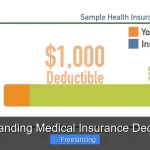
- Example: A plan with a $150/month premium and a $1,000 deductible may cost only $1,800 a year—much less than paying out of pocket for a single emergency room visit.
- Tip: Use cost calculators on Healthcare.gov or insurer websites to estimate your total annual expenses.
Comprehensive Coverage
A good student plan covers more than just emergencies. It should include:
- Preventive care (like annual check-ups and vaccinations)
- Mental health services (therapy and counseling)
- Prescription medications
- Emergency care (including ambulance services)
- Maternity care (if applicable)
Why it matters: Preventive care can catch problems early, mental health support is crucial for student well-being, and prescription coverage saves money on common medications like birth control or ADHD drugs.
Access to a Wide Network of Providers
Even if you’re healthy now, you might need care off-campus. Choose a plan with a broad network of doctors, hospitals, and pharmacies.
- Tip: Check if your primary care doctor, campus clinic, and nearby hospitals are in-network. Out-of-network care can cost 2–3 times more.
- Example: A student in New York should pick a plan with a large NYU Langone or Mount Sinai network.
Telehealth Services
With busy class schedules, telehealth is a game-changer. The best student plans offer virtual doctor visits for minor illnesses, mental health counseling, and prescription renewals.
- Benefits: No travel, no waiting rooms, and often same-day appointments.
- Tip: Look for plans that include 24/7 telehealth access—especially useful during finals week.
Prescription Drug Coverage
If you take medications regularly—like for allergies, ADHD, or birth control—prescription coverage is a must.
- Tip: Check the plan’s drug formulary (list of covered medications). Generic drugs are usually cheaper.
- Example: A plan with a $10–$25 copay for generic prescriptions saves hundreds per year.
Mental Health and Substance Use Support
Students face high levels of stress, anxiety, and depression. The best plans include therapy, counseling, and substance use treatment.
- What to look for: In-network mental health providers, online therapy options, and crisis hotlines.
- Tip: Some plans offer free or low-cost counseling through campus health centers even if you’re on a separate plan.
Top Health Insurance Plans for Students (2024)
Here are some of the most popular and highly rated plans tailored for students. These options balance affordability, coverage, and accessibility.

Visual guide about Best Health Insurance Plans for Students
Image source: image.slidesharecdn.com
Blue Cross Blue Shield (BCBS) Student Health Plans
BCBS offers student-specific plans in many states, often with competitive rates and strong provider networks.
- Coverage: Preventive care, mental health, emergency services, prescription drugs.
- Cost: $100–$250/month depending on location and plan tier.
- Best for: Students in states with large BCBS networks.
- Tip: Check if your school has a preferred BCBS plan—they may offer discounts.
Aetna Student Health Plans
Aetna provides student-focused insurance with telehealth, wellness programs, and global coverage.
- Coverage: Includes international emergency care, mental health, and fitness incentives.
- Cost: $120–$300/month.
- Best for: Students studying abroad or wanting global emergency coverage.
- Tip: Aetna’s app allows you to find in-network providers and schedule virtual visits.
UnitedHealthcare StudentResources
One of the largest providers of student health plans, UnitedHealthcare offers customizable options.
- Coverage: Comprehensive medical, dental, vision, and behavioral health.
- Cost: $90–$220/month.
- Best for: Students on tight budgets who want all-in-one coverage.
- Tip: They offer a “Student Wellness” program with discounts on gym memberships and mental health apps.
Kaiser Permanente (West Coast Focus)
Available in states like California and Oregon, Kaiser offers integrated care with low out-of-pocket costs.
- Coverage: Includes preventive care, mental health, and prescription drugs at low copays.
- Cost: $130–$270/month.
- Best for: Students in Kaiser-serving areas who value coordinated care.
- Tip: Kaiser’s telehealth is excellent—doctors often prescribe medications during the call.
Short-Term Health Plans: Good for Gaps in Coverage
While not ideal for ongoing care, short-term plans can bridge gaps between semesters.
- Examples: Pivot Health, Pivot Health, and Pivot Health.
- Cost: $20–$50/month.
- Best for: Students between semesters or with temporary coverage needs.
- Warning: Do not rely on these for chronic conditions or regular care.
How to Enroll in a Student Health Insurance Plan
Enrolling in health insurance might seem complicated, but it’s easier than you think. Follow these steps to get covered quickly and correctly.
Step 1: Determine Your Eligibility
Are you a full-time student? Are you under 26 and on a parent’s plan? Do you need international coverage? Answering these questions helps narrow your options.
- Tip: Full-time status usually means 12+ credits per semester. Check your school’s definition.
Step 2: Compare Plans Using Online Tools
Use resources like Healthcare.gov, UnitedHealthcare StudentResources, or your school’s insurance portal.
- What to compare: Premiums, deductibles, copays, network size, telehealth access.
- Tip: Use the “Savings Calculator” on Healthcare.gov to see if you qualify for subsidies.
Step 3: Check Enrollment Deadlines
ACA enrollment runs from November 1 to January 15. School plans often have deadlines in early August.
- Tip: Enroll early—popular plans fill up fast, especially in high-cost areas.
Step 4: Gather Required Documents
You’ll need:
- Social Security Number (or ITIN)
- Proof of enrollment (student ID or class schedule)
- Immigration documents (for international students)
- Income info (for subsidies)
Step 5: Enroll and Confirm Coverage
Complete the application online or through your school. Once enrolled, you’ll receive a member ID card and policy details via email.
- Tip: Keep your ID card visible—you may need to show it at campus health centers or pharmacies.
Tips for Staying Healthy and Saving Money
Good health insurance is important, but staying healthy in the first place saves even more money. Here are practical tips for students.
Use Preventive Care Services
Most plans cover annual check-ups, vaccinations, and screenings at no extra cost. Take advantage of this!
- Example: A cholesterol screening or depression screening can catch problems early.
- Tip: Schedule your annual visit during a break to avoid missing class.
Visit Campus Health Centers First
On-campus clinics offer low-cost care for common issues like colds, injuries, and mental health concerns.
- Cost: Often $10–$30 per visit, even with insurance.
- Tip: Call ahead to confirm your insurance is accepted.
Use Telehealth for Minor Issues
Need a prescription refill or treatment for a sore throat? Skip the clinic and use telehealth.
- Benefit: Saves time and avoids exposure to sick people.
- Tip: Many plans include free telehealth with no copay.
Fill Prescriptions at Campus Pharmacies
If your campus has a pharmacy, it’s usually in-network and offers student discounts.
- Tip: Ask about generic alternatives or mail-order options for ongoing medications.
Take Advantage of Mental Health Resources
Campus counseling centers, support groups, and apps like Talkspace or BetterHelp are often included in your plan.
- Tip: Confidentiality is key—most campus services keep your info private.
Keep Track of Your Deductible
Once you meet your deductible, your out-of-pocket costs drop. Track your spending throughout the year.
- Tip: Use a budgeting app to log medical expenses.
Common Mistakes Students Make with Health Insurance
Even with the best intentions, students often make costly mistakes. Avoid these pitfalls.
Skipping Enrollment
“I’m healthy, I don’t need insurance.” Wrong. One ER visit can cost $2,000–$5,000 without coverage.
- Tip: Even if you’re healthy now, accidents happen. Insurance protects you when you need it most.
Choosing the Cheapest Plan Without Reading the Fine Print
The lowest premium might have a $5,000 deductible—meaning you pay everything until then.
- Tip: Look at the total cost, not just the monthly payment.
Not Checking if Your Doctor Is In-Network
Going out-of-network can double or triple your costs.
- Tip: Call your insurer or use their online directory before scheduling an appointment.
Forgetting About Prescription Coverage
Even if you’re healthy, you might need birth control, ADHD medication, or allergy pills.
- Tip: Review the plan’s formulary before choosing.
Not Using Preventive Services
Skipping check-ups means missing early detection of serious conditions.
- Tip: Schedule a preventive visit every year—it’s free with most plans.
Conclusion: Protect Your Future with the Right Health Insurance
Choosing the best health insurance plans for students is one of the smartest investments you can make in your health and financial future. Whether you’re living on campus, studying abroad, or commuting from home, unexpected health issues can arise at any time. The right plan gives you access to care when you need it, protects you from high medical bills, and ensures you stay focused on your studies—not your bank account.
Take the time to compare options, read the fine print, and enroll before deadlines. Use preventive care, visit campus clinics, and take advantage of telehealth. And remember: staying healthy isn’t just about avoiding illness—it’s about thriving in college and beyond.
Your health matters. Don’t wait until it’s too late. Find a plan that fits your needs, your budget, and your lifestyle. You’ve got this—and your health is worth protecting.
Frequently Asked Questions
What is the best health insurance plan for a college student?
The best plan depends on your needs, but generally, ACA-compliant plans or school-sponsored plans offer the most comprehensive coverage. If you’re under 26, staying on a parent’s plan is often the most affordable and complete option.
Can I stay on my parent’s health insurance plan as a student?
Yes, under the Affordable Care Act, you can remain on your parent’s plan until age 26, even if you’re not financially dependent or married. This is often the most cost-effective option.
Do I need health insurance if I live on campus?
Yes. Most colleges require students to have health insurance, either through a school plan or proof of other coverage. Even if not required, insurance protects you from high medical costs.
Are short-term health insurance plans good for students?
Short-term plans are affordable and useful for temporary coverage, but they don’t meet ACA standards and often exclude pre-existing conditions. They’re not ideal for ongoing or preventive care.
How much does student health insurance cost?
Costs vary, but student plans typically range from $90 to $300 per month. School plans may be more expensive, while ACA plans can be subsidized based on income.
What should I do if I miss the enrollment deadline?
If you miss the open enrollment period, you may qualify for a special enrollment period due to a life event (like starting school). Otherwise, you’ll have to wait until the next enrollment window.