Choosing the right health insurance policy can save you thousands in medical bills and stress. This guide walks you through key factors like coverage, costs, and network providers to help you make a smart, informed decision. With clear examples and practical tips, you’ll feel confident picking a plan that fits your health and budget needs.
Key Takeaways
- Understand Your Needs: Assess your medical history, family size, and expected healthcare usage before selecting a plan.
- Compare Plan Types: Evaluate HMOs, PPOs, EPOs, and POS plans to find one that offers flexibility and affordability.
- Check the Network: Ensure your doctors and hospitals are in-network to avoid surprise out-of-pocket costs.
- Review Coverage Details: Look for what’s included—like preventive care, prescriptions, mental health, and emergency services.
- Analyze Costs: Compare premiums, deductibles, copays, and out-of-pocket maximums to understand total expenses.
- Use Government Tools: Visit Healthcare.gov or your state exchange to compare plans and check subsidies.
- Read the Fine Print: Avoid hidden fees and exclusions by thoroughly reviewing policy documents.
📑 Table of Contents
- How to Choose the Right Health Insurance Policy
- Understanding Your Health Insurance Options
- Assessing Your Healthcare Needs
- Understanding Costs: Premiums, Deductibles, and More
- Evaluating Network and Provider Access
- Coverage Details: What’s Included and Excluded
- Using Government Resources and Subsidies
- Tips for Making the Final Decision
- Conclusion: Your Health, Your Choice
How to Choose the Right Health Insurance Policy
Let’s face it—healthcare is expensive, and even a minor illness can lead to a mountain of medical bills. That’s why having the right health insurance policy isn’t just smart—it’s essential. But with so many options out there, how do you pick one that actually works for you? Whether you’re shopping for yourself, your family, or your employees, choosing the right health insurance policy can feel overwhelming. Plans vary widely in cost, coverage, and flexibility. One size definitely doesn’t fit all.
Think of health insurance like buying a car. You don’t just look at the sticker price—you consider fuel efficiency, safety ratings, and how well it fits your lifestyle. The same goes for health insurance. You need to balance monthly premiums with out-of-pocket costs, check which doctors are covered, and make sure critical services like emergency care or mental health support are included. This guide will walk you through every step of the process, so you can make a confident, informed decision that protects your health and wallet.
Understanding Your Health Insurance Options
Before you can choose the right health insurance policy, you need to understand the different types available. Each plan structure offers a unique balance of cost and flexibility. Let’s break them down so you know what you’re looking at.

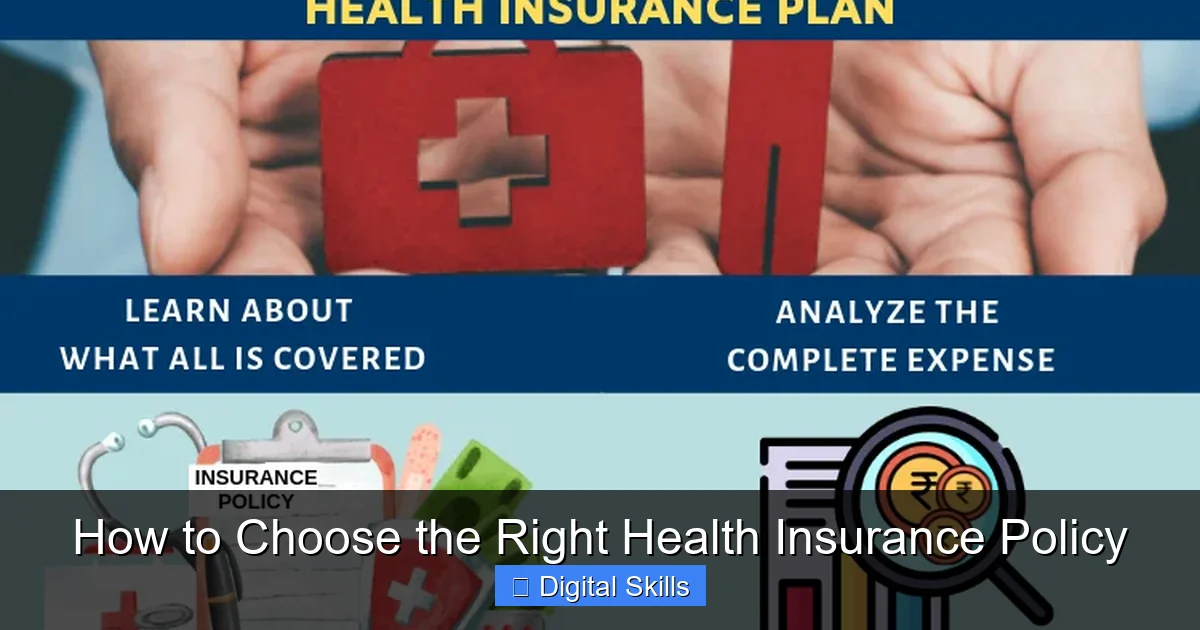
Visual guide about How to Choose the Right Health Insurance Policy
Image source: insuranceenterpriseusa.com
HMO: The Structured Choice
Health Maintenance Organizations (HMOs) are known for keeping costs low by requiring you to choose a primary care physician (PCP) and get referrals to see specialists. You’ll usually stay within a specific network of doctors and hospitals. If you go outside the network, except for emergencies, you’ll pay the full cost. HMOs typically have lower premiums and out-of-pocket costs, making them a great option if you want predictable expenses and don’t mind being guided by a primary care doctor.
PPO: Flexibility at a Higher Cost
Preferred Provider Organizations (PPOs) offer more freedom. You can see any doctor or specialist without a referral, and you’re not locked into a primary care network. The trade-off? PPOs usually come with higher monthly premiums and deductibles. However, you still get partial coverage when you go out of network, which can be a lifesaver if your preferred doctor isn’t in-network. PPOs are ideal if you value choice and flexibility.
EPO: A Middle Ground
Exclusive Provider Organizations (EPOs) blend features of HMOs and PPOs. Like HMOs, you must use in-network providers to get coverage—except for emergencies. But unlike HMOs, you don’t need referrals to see specialists. EPOs often have lower premiums than PPOs and fewer restrictions than HMOs. They’re a good middle ground if you want some flexibility without the high cost of a PPO.
POS: Customizable Coverage
Point of Service (POS) plans combine HMO and PPO features. You pick a primary care doctor and get referrals like an HMO, but you can go out of network for care—though you’ll pay more. POS plans offer a balance of structure and flexibility, but they can be harder to understand due to varying cost-sharing rules. They’re best if you want some network freedom but still want to keep costs manageable.
High-Deductible Health Plans (HDHPs)
HDHPs come with lower premiums but higher deductibles. These plans are often paired with a Health Savings Account (HSA), which lets you save money tax-free for medical expenses. HDHPs are ideal if you’re generally healthy and want to save on monthly costs, but you need to be prepared to pay more out-of-pocket before insurance kicks in.
Assessing Your Healthcare Needs
Not all health insurance policies are created equal—and not all people have the same needs. The right plan for a young, healthy person might be overkill for someone managing chronic conditions. Start by evaluating your personal and family health situation.
Visual guide about How to Choose the Right Health Insurance Policy
Image source: holisticinvestment.in
Consider Your Medical History
If you or a family member has ongoing health issues—like diabetes, asthma, or heart disease—you’ll want a plan that covers regular treatments, medications, and specialist visits. Look for plans with low copays for doctor visits and prescriptions. Chronic conditions often require frequent care, so a plan with high deductibles might not save you money in the long run.
Think About Family Size and Age
A family of four will need different coverage than a single adult. Children often require regular pediatric visits, vaccinations, and emergency care. Older adults may need more frequent doctor visits and access to specialists. When choosing a health insurance policy, factor in how many people will be covered and their typical health needs.
Estimate Annual Healthcare Usage
Are you someone who goes to the doctor once a year for a check-up? Or do you visit specialists monthly? If you’re generally healthy, a low-premium plan might work. But if you expect frequent medical care, a plan with lower out-of-pocket costs could save you more money. Track your past medical expenses to make an educated guess about future needs.
Mental Health and Prescription Coverage
Modern health insurance should include mental health services, substance use treatment, and prescription drug coverage. If you take regular medications or use therapy, check that your plan covers your specific drugs and providers. Some plans limit mental health visits or require prior authorization—so read the fine print.
Understanding Costs: Premiums, Deductibles, and More
When comparing health insurance policies, it’s easy to focus only on the monthly premium. But that’s just one piece of the puzzle. The total cost of a plan includes several components, and understanding them helps you avoid financial surprises.

Visual guide about How to Choose the Right Health Insurance Policy
Image source: i.pinimg.com
Premiums: The Monthly Cost
Your premium is the amount you pay each month for your health insurance, regardless of whether you use medical services. Lower premiums often mean higher out-of-pocket costs when you do need care. For example, a plan with a $200 monthly premium might have a $1,000 deductible, while a $350 plan might have a $500 deductible. Consider your budget and how much you can afford monthly.
Deductibles: What You Pay Before Coverage Starts
The deductible is the amount you must pay out-of-pocket before your insurance begins covering costs. If your deductible is $2,000, you’ll pay the first $2,000 in medical expenses yourself. Some plans have low deductibles (great if you expect frequent care), while others have high deductibles (better if you’re healthy and want lower premiums).
Copays and Coinsurance
A copay is a fixed amount you pay for a service, like $30 for a doctor visit. Coinsurance is a percentage you pay, like 20% of a $100 procedure. Copays are easier to budget for, while coinsurance can add up if services are expensive. Plans with lower copays and coinsurance reduce your out-of-pocket burden.
Out-of-Pocket Maximum
This is the most you’ll pay in a year for covered services. Once you hit this limit, your insurance pays 100% of covered costs. For example, if your out-of-pocket maximum is $6,000, you won’t pay more than that in deductibles, copays, and coinsurance combined. This cap protects you from catastrophic medical bills.
Hidden Costs to Watch For
Some costs aren’t obvious at first glance. For example, a plan might cover a procedure in-network but not the anesthesia. Or it might not cover certain medications unless they’re on a preferred list. Always ask: “What exactly is covered?” and “What’s not?” to avoid surprise bills.
Evaluating Network and Provider Access
One of the most common mistakes people make is choosing a plan based on cost alone—without checking if their doctors are included. If your favorite cardiologist or pediatrician isn’t in-network, you could end up paying thousands out of pocket.
Check Your Doctor’s Participation
Before signing up, verify that your current doctors, specialists, and hospitals are in the plan’s network. You can usually find this information on the insurer’s website or by calling customer service. If they’re not in-network, consider whether switching doctors is worth the cost savings.
Consider Location and Convenience
Even if a plan covers your doctor, check if hospitals and urgent care centers are nearby. If you live in a rural area, make sure there are in-network facilities close by. Traveling far for care can be inconvenient and expensive.
Specialist Access
If you need regular specialist care—like a dermatologist, orthopedic surgeon, or therapist—ensure the plan allows you to see them without referrals. HMOs often require referrals, which can delay care. PPOs and EPOs usually don’t, giving you more control over your treatment.
Telehealth Services
More plans now include virtual doctor visits. If you prefer telehealth for routine check-ins or mental health support, confirm it’s covered. This can save time and money, especially for minor issues like colds or anxiety.
Coverage Details: What’s Included and Excluded
A health insurance policy is only as good as what it covers. Some plans offer comprehensive benefits, while others have major gaps. Always read the policy document (also called the Evidence of Coverage) to understand what’s included.
Preventive Care
Under the Affordable Care Act, most plans must cover preventive services at no extra cost. This includes annual check-ups, vaccinations, cancer screenings, and women’s health services. Make sure your plan includes these—they’re key to catching problems early.
Prescription Drug Coverage
If you take medications regularly, check the plan’s drug formulary (list of covered drugs). Is your medication on the list? Are there cheaper alternatives? Tiered pricing means generics are cheaper than brand-name drugs. If your drug isn’t covered, you’ll pay full price—which can be thousands of dollars a year.
Mental Health and Substance Use
Mental health care should be on par with physical health care. Look for plans that cover therapy, counseling, and substance use treatment without heavy restrictions. Some plans limit the number of sessions or require pre-approval—so verify these details.
Maternity and Family Planning
If you’re planning a family, ensure your plan covers prenatal care, childbirth, and postnatal services. Some plans have waiting periods or exclusions for infertility treatments. Check the coverage timeline and any limitations.
Emergency and Urgent Care
All plans must cover emergency care, even out-of-network. But urgent care visits may vary. Some plans require you to pay more if you use urgent care instead of your primary doctor. Know the difference and use the right service for your situation.
Alternative Therapies
Some plans cover acupuncture, chiropractic care, or physical therapy. If you rely on these services, confirm they’re included. Others may require a referral or have visit limits.
Using Government Resources and Subsidies
Don’t go it alone. The U.S. government offers tools and financial help to make health insurance more affordable, especially through the Health Insurance Marketplace.
Visit Healthcare.gov
The official federal marketplace lets you compare plans side by side. You can see premiums, deductibles, and coverage details for each option. Open enrollment runs from November to January, but you can qualify for special enrollment if you have a life change—like getting married or losing job-based coverage.
Check for Subsidies
Low- and middle-income individuals may qualify for premium tax credits or cost-sharing reductions. These can lower your monthly payments and out-of-pocket costs. Use the subsidy calculator on Healthcare.gov to estimate your savings.
State-Based Marketplaces
Some states run their own insurance exchanges. These often have additional plans or support services. Visit your state’s health department website to find the right portal.
Medicaid and CHIP
If your income is very low, you may qualify for Medicaid or the Children’s Health Insurance Program (CHIP). These programs offer free or low-cost coverage with comprehensive benefits. Eligibility varies by state, so check your state’s requirements.
Employer-Sponsored Plans
If your employer offers health insurance, compare it to marketplace plans. Sometimes the employer plan is the best deal, especially if they contribute significantly to the premium. But if the plan has high deductibles or limited providers, a marketplace plan might be better.
Tips for Making the Final Decision
After comparing plans, narrowing down your options, and checking coverage, you’re almost ready. Here are some final tips to help you choose the right health insurance policy with confidence.
Create a Comparison Chart
Write down key details for each plan: premiums, deductibles, copays, network doctors, and covered services. Seeing everything side by side makes it easier to spot the best value.
Read Reviews and Ratings
Check the National Committee for Quality Assurance (NCQA) ratings or Consumer Reports for insurer performance. Look at customer reviews for claims processing, customer service, and provider satisfaction.
Ask Questions
Don’t hesitate to call insurers or brokers. Ask about waiting periods, coverage for specific treatments, and how to file claims. A quick call can clear up confusion and help you avoid future issues.
Budget for the Year
Don’t just look at monthly premiums. Calculate your total expected annual cost—including deductibles and copays—and compare it to your budget. A low premium plan might cost more in the long run if you use medical services.
Review Annually
Health insurance isn’t a “set it and forget it” decision. Review your plan every year during open enrollment. Your needs may change—like having a baby or retiring—and a new plan might be better.
Conclusion: Your Health, Your Choice
Choosing the right health insurance policy is one of the most important financial and health decisions you’ll make. It’s not just about saving money—it’s about protecting your well-being and peace of mind. A good plan gives you access to quality care when you need it, without draining your savings.
Take your time. Compare plans. Read the fine print. Talk to people you trust. And remember—there’s no perfect plan for everyone, but there’s a great one for you. Whether you’re young and healthy or managing ongoing conditions, the right health insurance policy will keep you covered, confident, and in control.
Start today. Visit Healthcare.gov, gather your documents, and begin comparing options. Your future self—and your wallet—will thank you.
Frequently Asked Questions
What is the difference between HMO and PPO plans?
HMO plans require you to choose a primary care doctor and get referrals to see specialists, and you must stay in-network for coverage. PPO plans offer more flexibility—you can see any doctor without referrals and still get partial coverage out-of-network. PPOs usually cost more but offer greater freedom.
Can I change my health insurance plan after enrollment?
You can only change plans during open enrollment (usually November to January) or during a special enrollment period if you have a qualifying life event, like getting married, having a baby, or losing job-based coverage. Outside these times, you generally can’t switch plans.
How do I know if a doctor is in-network?
Visit your insurer’s website and use their provider directory, or call customer service. You can also ask your doctor’s office if they accept your insurance. If they’re not in-network, you’ll pay more out-of-pocket.
What is a Health Savings Account (HSA)?
An HSA is a tax-advantaged account that works with high-deductible health plans (HDHPs). You can contribute pre-tax dollars to save for medical expenses. Funds roll over year to year and can be used for qualified medical, dental, and vision costs.
Are mental health services covered by all health insurance plans?
Under the Affordable Care Act, most plans must cover mental health and substance use treatment equally to physical health care. However, some plans may have visit limits, prior authorization, or narrow provider networks, so always check your specific plan details.
What should I do if my health insurance denies a claim?
First, review your policy to understand the denial reason. You can appeal the decision in writing, providing additional medical documentation. If denied again, you can escalate the issue to your state’s insurance department or seek help from a patient advocate.