Tracking your visa application status is simple, fast, and essential. Whether you’re applying for a tourist, student, or work visa, knowing where your application stands helps you plan your next steps. Use official portals, email confirmations, and trusted tools to stay informed without stress.
Key Takeaways
- Official Portals Are Your Best Friend: Use the government’s online visa tracking system to get real-time updates on your application status.
- Check Confirmation Emails: Most visa offices send a reference number and instructions—save this email to track your case.
- Know the Processing Timeline: Each visa type has a standard processing time—understand it so you don’t panic over normal delays.
- Contact the Visa Office If Needed: If your application is delayed beyond the expected time, reach out politely for clarification.
- Avoid Third-Party Tracking Sites: Stick to official sources to protect your data and avoid scams.
- Track by Application Number: Most systems let you enter your unique ID to see current status, next steps, and estimated completion.
- Prepare for Interviews or Biometrics: Tracking helps you know when to attend appointments—don’t miss them.
📑 Table of Contents
- How to Track Your Visa Application Status
- Why Tracking Your Visa Application Matters
- How Visa Tracking Systems Work
- Step-by-Step: How to Track Your Visa Status Online
- What to Do If Your Visa Status Is Delayed
- Common Mistakes to Avoid
- Tips for a Smooth Visa Application Journey
- Conclusion: Stay in Control of Your Visa Journey
How to Track Your Visa Application Status
So, you’ve submitted your visa application. You’ve filled out forms, gathered documents, paid fees, and waited. Now comes the anxious question: “How do I check if my visa is approved?” The good news? You don’t have to wait in line or make endless phone calls. Most countries offer online visa tracking systems that let you monitor your application in real time. In this guide, we’ll walk you through exactly how to track your visa application status—step by step, country by country, and situation by situation.
Whether you’re applying for a tourist visa to Europe, a student visa in Canada, or a work visa in Australia, knowing where your application stands gives you peace of mind. You’ll avoid unnecessary stress, plan your travel or move more effectively, and respond quickly if something needs attention. Let’s dive into the most reliable ways to stay on top of your visa journey.
Why Tracking Your Visa Application Matters
Imagine applying for a visa to study abroad. You’ve packed your bags, arranged housing, and bought your ticket—only to find out your visa is still under review. That’s not just inconvenient; it can cost you thousands in canceled plans. Tracking your visa status helps you avoid such surprises. It also ensures you don’t miss important deadlines, like biometrics appointments or interview dates.
Visual guide about How to Track Your Visa Application Status
Image source: dropvisa.pk
Moreover, tracking builds trust with the visa office. When you stay informed, you’re more likely to respond promptly if additional documents are requested. This proactive approach often speeds up processing. And let’s be honest—waiting is hard. Knowing your application is moving forward can reduce anxiety and help you focus on other important tasks.
How Visa Tracking Systems Work
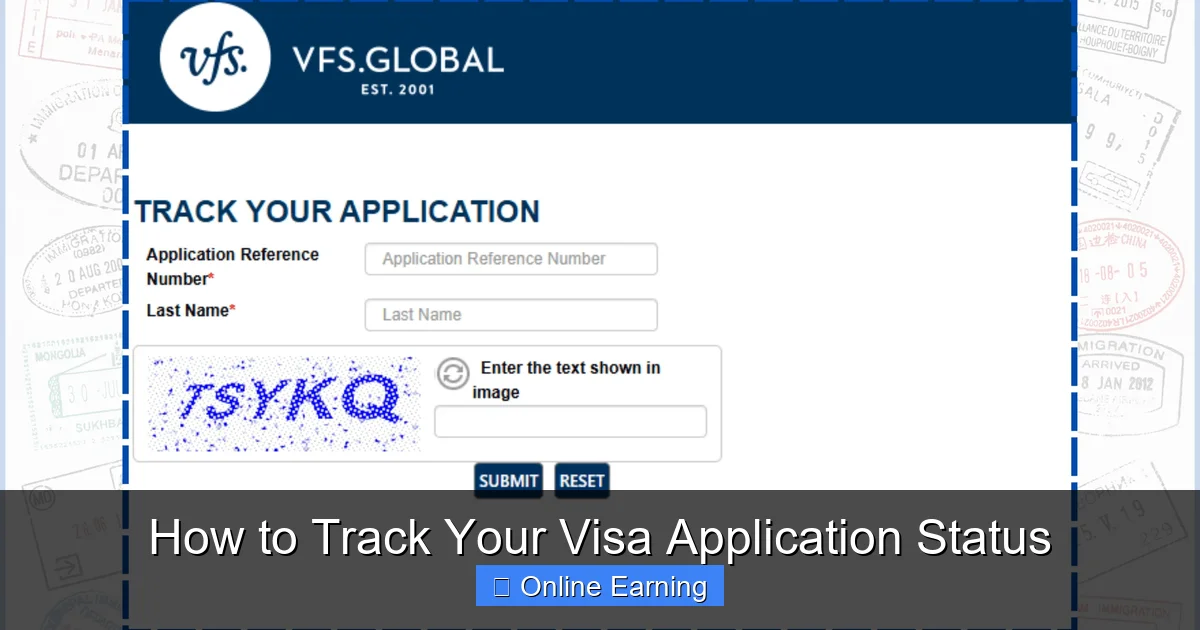
Most countries use a centralized online portal to manage visa applications. After you submit your form, you receive a confirmation number or reference ID. This number is your key to the system. You can log in or enter it on the visa office’s website to see updates.
Visual guide about How to Track Your Visa Application Status
Image source: mestogo-np.theinfoport.com
These systems usually show your application through several stages: received, under review, document verification, interview scheduled, biometrics collected, and final decision. Some systems even estimate how long each stage takes. Think of it like tracking a package—except instead of a box, it’s your future travel plans!
Common Stages in Visa Processing
- Application Submitted: Your form is received and logged into the system.
- Document Verification: Officers check your submitted documents for completeness and authenticity.
- Interview Scheduled: You’re invited for an interview at a visa center or embassy.
- Biometrics Collected: Fingerprints and photos are taken (common for long-term visas).
- Under Final Review: Your file is reviewed for approval or denial.
- Decision Made: Your visa is approved, denied, or returned for more information.
What Information Do You Need?
To track your visa, you’ll typically need:
- Your application reference number (found in your confirmation email)
- Your full name as submitted
- Your passport number
- The visa type you applied for (e.g., Tourist, Student, Work)
- The country or consulate where you applied
Keep these details handy—they’re your ticket to real-time updates.
Step-by-Step: How to Track Your Visa Status Online
Let’s get practical. Here’s how to track your visa application status in major countries:
Visual guide about How to Track Your Visa Application Status
Image source: canadavisain.com
United States (USCIS)
If you’re applying for a U.S. visa, use the CEAC (Consular Electronic Application Center) website. After submitting Form DS-160, you’ll get a confirmation page with a barcode. Enter that barcode on CEAC’s Status Tracker to see updates.
You’ll see messages like “Application Received,” “Interview Scheduled,” or “Administrative Processing.” If it’s been over 15 days since your interview and you haven’t heard back, contact the U.S. embassy for assistance.
United Kingdom (UK Visas and Immigration)
For UK visas, log into your UK Visas and Immigration (UKVI) account. If you don’t have one, you can still track using your reference number on the official tracker. Enter your passport number and date of birth to view your status.
You’ll see options like “Your application is being processed” or “Decision made.” If it’s been over 3 weeks and no update appears, email the visa office with your reference number.
Canada (IRCC)
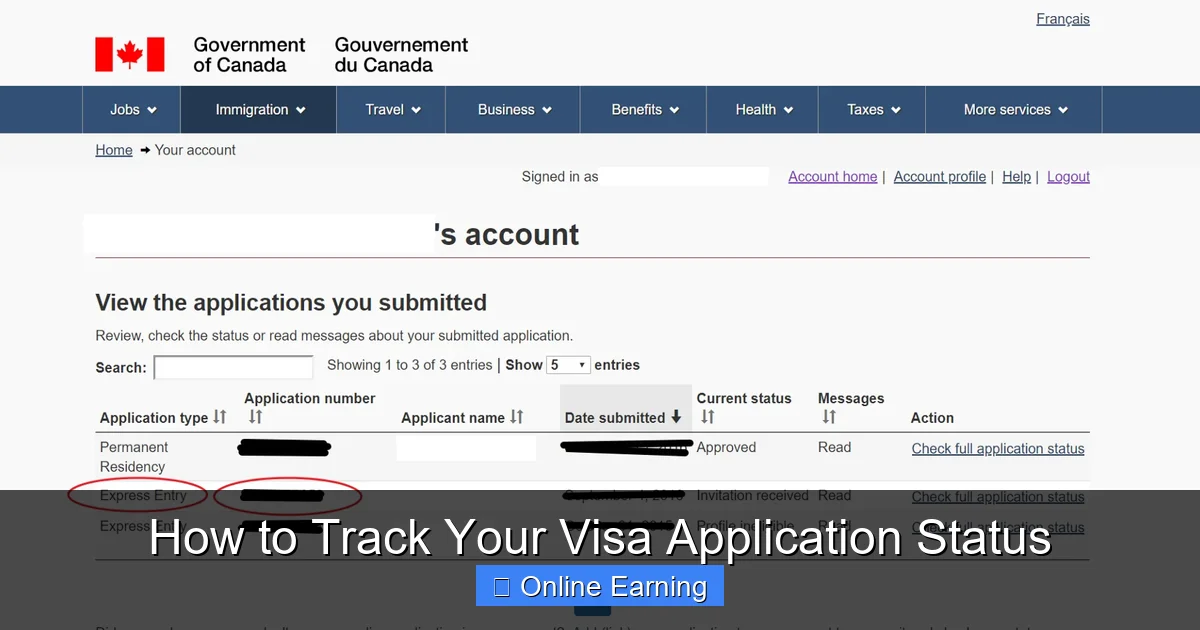
Canadian visa applicants can use the IRCC Web Status tool. Log in with your account or use your application number and date of birth. You’ll see real-time updates like “Documents being reviewed” or “Application approved.”
Pro tip: If your application is delayed, check if you need to upload additional documents via your online account. Missing documents are a top cause of delays.
Australia (ImmiAccount)
For Australian visas, log into your ImmiAccount. You’ll see a timeline of your application progress. Look for messages like “Invitation to provide biometrics” or “Application under assessment.”
If your application is stuck, use the “Request an update” feature. Be polite and specific—mention your reference number and what you’ve already done.
Schengen Visa (EU Countries)
Each Schengen country has its own portal, but most use the Visa Information System (VIS). Check the website of the country where you applied (e.g., France, Germany, Italy). You’ll need your application number and passport details.
You’ll see status updates like “Application received at consulate” or “Decision made.” If it’s been over 15 calendar days and you haven’t received your visa, contact the visa center directly.
India (VFS Global)
Many Indian visa applications are processed through VFS Global. Log into your VFS account using your appointment reference number. You’ll see updates like “Application under review” or “Ready for collection.”
If your status hasn’t changed in 10 days, email VFS with your reference number and passport copy.
What to Do If Your Visa Status Is Delayed
Delays happen. But don’t panic. Here’s what to do:
Wait a Bit Longer
Processing times vary. A 5-day delay might be normal. Check the official processing time for your visa type—don’t assume it’s stalled.
Check for Missing Documents
Sometimes, your application is paused because a document is missing. Log into your account and see if you’re asked to upload something new.
Contact the Visa Office
Send a polite email or call. Use this template:
Dear Visa Office,
I applied for a [visa type] on [date] and my reference number is [number]. I’ve been checking my status, but there’s no update for [number] days. Could you please confirm if my application is still under review? Thank you for your assistance.
Sincerely,
[Your Name]
Be Patient, But Persistent
Follow up every 7–10 days if needed. But avoid aggressive tone—diplomacy gets better results.
Common Mistakes to Avoid
Even with the best tools, mistakes can slow things down. Here’s what NOT to do:
- Use unofficial tracking sites: These can steal your data or give false info. Always use the official government portal.
- Forget your reference number: Save your confirmation email in a safe place.
- Ignore status updates: If your status says “Interview required,” don’t wait—book your appointment ASAP.
- Apply without tracking: If you don’t know where your application is, you can’t plan your next steps.
Tips for a Smooth Visa Application Journey
Want to avoid tracking stress altogether? Follow these tips:
- Apply Early: Don’t wait until the last minute. Most countries recommend applying 3–6 months in advance.
- Double-Check Documents: Incomplete applications cause delays. Use a checklist.
- Keep Copies: Save digital and printed copies of everything.
- Set Reminders: Use calendar alerts for interview dates, biometrics, or status checks.
- Stay Updated: Check your status weekly, not daily. Too much checking adds anxiety.
Example: Tracking a Student Visa to Canada
Maria applied for a Canadian student visa. She received her application number: CAN2024-567890. She logs into IRCC Web Status and sees: “Application received. Documents under review.” After 10 days, she sees: “Invitation to provide biometrics.” She books her appointment. Two weeks later, her status shows: “Application approved.” She can now collect her study permit.
Maria didn’t panic. She tracked her status, followed instructions, and stayed calm. That’s the power of tracking.
Conclusion: Stay in Control of Your Visa Journey
Tracking your visa application status isn’t just about checking boxes—it’s about taking control. It helps you plan, reduces anxiety, and keeps you proactive. Whether you’re moving abroad for work, study, or travel, knowing where your application stands makes all the difference.
Remember: use official portals, keep your reference number safe, and follow up politely if needed. With the right tools and mindset, your visa journey can be smooth, stress-free, and successful.
Now go ahead—check your status. Your future is just a few clicks away.
Frequently Asked Questions
How long does it take to track a visa application?
You can usually track your visa status immediately after submission. Most systems update within 24–48 hours. Processing times vary by country and visa type, but tracking starts as soon as your application is logged.
Can I track my visa without an online account?
Yes, many countries allow tracking using just your application number and passport details. For example, the UK and Canada let you check status without logging in. But having an account gives you more details and updates.
What if my visa application is denied?
If your visa is denied, the tracking system will show “Decision made – Denied.” You’ll receive a letter explaining the reason. You may appeal or reapply, depending on the country’s rules.
Can I track a visa from another country?
Yes, most visa tracking systems are accessible from anywhere with internet. You don’t need to be in the country where you applied. Just use the official portal and your reference number.
Is it safe to use third-party visa tracking websites?
Not always. Stick to official government portals to protect your personal data. Third-party sites may ask for too much information or spread false updates. Always verify through the embassy or immigration office’s website.
What should I do if my status hasn’t changed in weeks?
First, confirm the expected processing time for your visa type. If it’s longer than usual, contact the visa office politely. Provide your reference number and ask for an update. Avoid aggressive language—diplomacy works best.