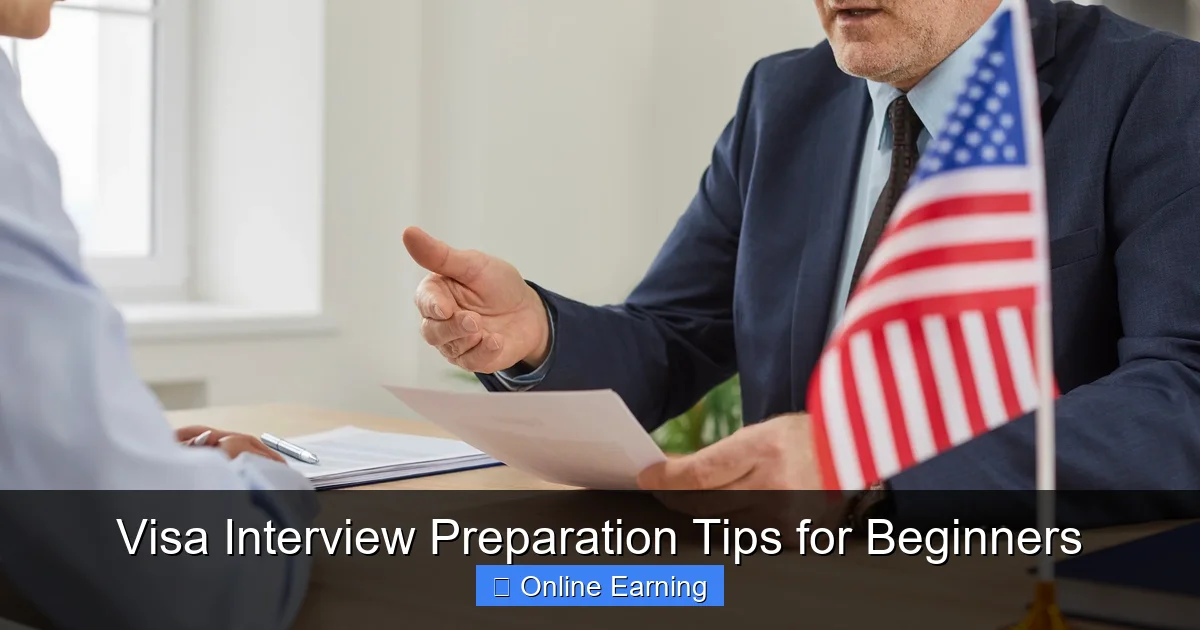
Getting ready for a visa interview can feel overwhelming—but it doesn’t have to be. With the right mindset, research, and practice, you can walk into your appointment feeling calm and prepared. This guide offers practical Visa Interview Preparation Tips for Beginners to help you succeed.
Key Takeaways
- Know Your Visa Type: Understand the purpose of your visa (tourism, study, work) to tailor your answers and documents accordingly.
- Practice Common Questions: Rehearse responses to frequent visa interview questions to speak clearly and confidently.
- Bring Organized Documents: Carry all required paperwork neatly arranged to show legitimacy and preparedness.
- Dress Professionally: First impressions matter—dress appropriately to reflect seriousness about your application.
- Be Honest and Consistent: Always tell the truth and ensure your story aligns across all parts of your application.
- Arrive Early: Give yourself buffer time to manage unexpected delays and reduce stress before the interview.
- Stay Calm and Positive: Maintain composure, make eye contact, and respond politely—even if asked challenging questions.
📑 Table of Contents
- Visa Interview Preparation Tips for Beginners: Your Guide to Success
- Understanding Your Visa Type and Purpose
- Gathering and Organizing Your Documents
- Practicing Common Visa Interview Questions
- Dressing for Success: First Impressions Count
- Managing Nervousness and Staying Calm
- After the Interview: What’s Next?
- Final Tips: Your Roadmap to Confidence
- Conclusion: You’ve Got This
Visa Interview Preparation Tips for Beginners: Your Guide to Success
Introduction: Why This Matters
So, you’ve filled out your visa application, gathered your documents, and now—bam—the interview day is approaching. You might be thinking, “What if I mess up? What if they say no?” Don’t worry—you’re not alone. Millions of people walk into visa interviews every year, and many of them are just like you: first-timers who want to visit family, study abroad, or start a new chapter in another country.
The visa interview can feel intimidating, but remember—this is your chance to show the consular officer that you’re a trustworthy, genuine applicant. The key isn’t perfection; it’s clarity, honesty, and confidence. With the right Visa Interview Preparation Tips for Beginners, you’ll walk into that room feeling ready, not overwhelmed. In this article, we’ll walk you through everything you need to know—from understanding your visa type to practicing your answers and staying calm under pressure.
Understanding Your Visa Type and Purpose
Why Knowing Your Visa Matters
Before you even think about practicing answers, you need to understand what kind of visa you’re applying for. Are you going for tourism, business, study, or work? Each visa type has different requirements and expectations. For example, a tourist visa applicant will talk about travel plans and return intentions, while a student visa holder might discuss academic goals and school enrollment.
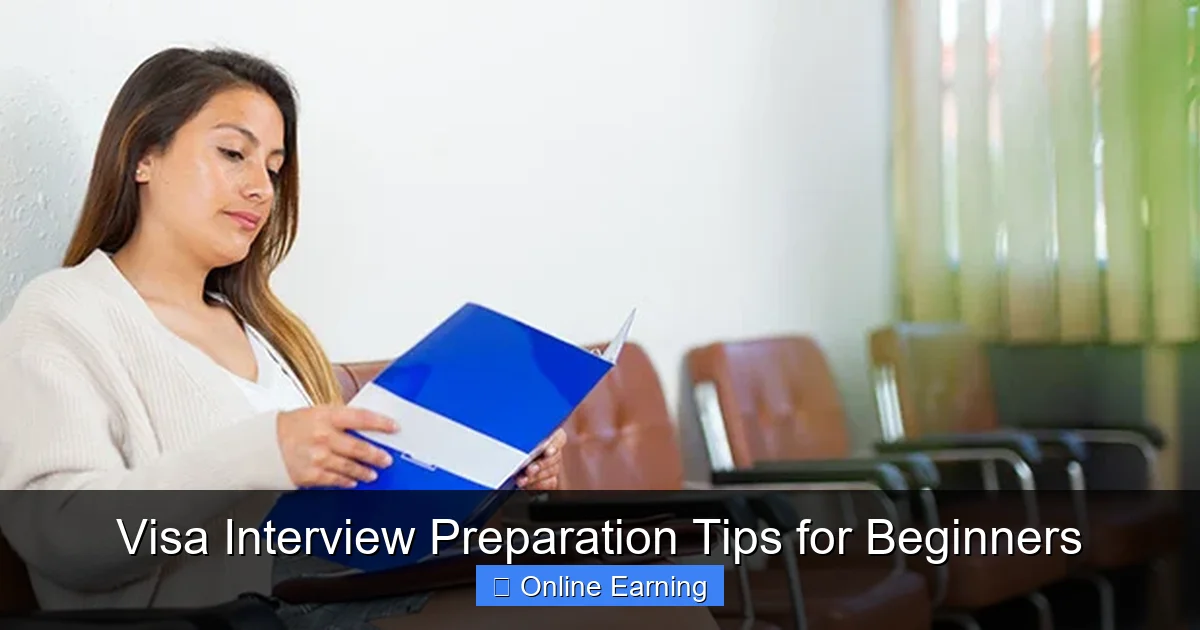
Visual guide about Visa Interview Preparation Tips for Beginners
Image source: immihelp.com
Take the time to review your DS-160 form and any official instructions from the embassy. If you’re unclear, contact the consulate or check their website. Misunderstanding your visa category could lead to confusion during the interview and even result in denial.
Matching Your Intentions to the Visa Purpose
One of the most common reasons visa applications are rejected is inconsistency between your stated purpose and your actual intentions. For instance, if you apply for a tourist visa but plan to stay long-term or work illegally, the officer will likely detect this mismatch.
To avoid this, be honest about your plans. If you’re visiting family, say so clearly. If you’re attending a short course, mention the dates and institution. The more specific and truthful you are, the easier it will be to convince the officer of your legitimacy.
Gathering and Organizing Your Documents
Know What to Bring Beforehand
Nothing says “unprepared” like arriving at the interview without the right documents. Before your appointment, double-check the list provided by the U.S. Department of State or your local embassy. Common documents include:
Visual guide about Visa Interview Preparation Tips for Beginners
Image source: immihelp.com
- Your passport (with valid visa stamp)
- Printed DS-160 confirmation page
- Appointment confirmation letter
- Photo ID (if required)
- Supporting documents (invitation letters, financial statements, enrollment proof, etc.)
Make copies of everything and keep them in a folder or envelope. This shows organization and gives you peace of mind in case anything gets misplaced.
Creating a Document Checklist
Here’s a simple checklist to help you stay on track:
- Primary Documents: Passport, DS-160 confirmation, appointment letter
- Financial Proof: Bank statements, sponsorship letters, tax returns
- Travel or Study Proof: Itinerary, hotel bookings, school acceptance letter
- Relationship Proof: Marriage certificate, family photos, prior travel history
Organize these in the order you’ll present them. For example, if you’re showing bank statements, bring the most recent ones first. This makes it easier for the officer to follow along and reduces back-and-forth confusion.
Practicing Common Visa Interview Questions
Why Practice Helps
Practicing your answers might feel awkward at first—like rehearsing lines for a play—but it’s one of the most effective Visa Interview Preparation Tips for Beginners. When you rehearse, you reduce anxiety, improve clarity, and speak more naturally during the actual interview.
Visual guide about Visa Interview Preparation Tips for Beginners
Image source: immihelp.com
Think of the interview as a conversation, not an interrogation. You want to sound confident but not robotic. Practice makes it feel more real.
Top Questions to Prepare For
Here are some of the most common questions consular officers ask. Prepare short, honest answers:
- “Why do you want to visit [country]?” → “I’m visiting my sister who lives in New York. We haven’t seen each other in three years, and I’d like to spend time with her.”
- “Where will you stay?” → “I’ll be staying at my sister’s apartment on 5th Avenue. She’s provided an invitation letter and proof of address.”
- “How much money do you have for this trip?” → “I have $5,000 in my bank account and my sister has agreed to support me during my stay. I’ve included our financial documents.”
- “When will you return?” → “I plan to return on June 15th. I have a return flight booked and will resume my job as a software developer.”
Tips for Delivering Your Answers
- Be concise: Officers appreciate short, direct answers.
- Use “I” statements: “I plan to…” sounds more personal than “You should know that…”
- Stay consistent: If your DS-160 says you’re visiting for 10 days, don’t suddenly say you’re staying a month.
Dressing for Success: First Impressions Count
What to Wear
You don’t need to wear a suit—but you should dress neatly and professionally. Think business casual: clean jeans and a nice shirt, or a modest dress. Avoid ripped clothing, flip-flops, or anything too casual.
The goal is to show respect for the process. Dressing appropriately helps you feel more confident and signals that you take the interview seriously.
Non-Verbal Cues Matter
Your body language speaks volumes. Sit up straight, make eye contact, and avoid fidgeting. A calm demeanor can make a big difference in how you’re perceived.
Remember: the officer is looking for signs of honesty and readiness. Nervousness is normal, but panic is not helpful. Take deep breaths and remind yourself that you’ve prepared.
Managing Nervousness and Staying Calm
It’s Normal to Be Nervous
Feeling anxious before a visa interview is completely normal. After all, your future travel plans—and possibly your immigration status—are on the line. But instead of letting fear take over, use it as motivation to prepare better.
Try these techniques to stay calm:
- Arrive early to avoid last-minute stress
- Bring a bottle of water to sip during the wait
- Listen carefully to each question before answering
- Take a deep breath before responding
What to Do If You’re Asked a Tough Question
Sometimes, officers ask unexpected or challenging questions. If you don’t know the answer, it’s okay to say, “I’m not sure, but let me explain what I do know.”
For example, if asked about your job and you’re self-employed, say: “I run my own graphic design business. I’ve included my portfolio and client references.” Honesty and transparency go a long way.
After the Interview: What’s Next?
Understanding the Waiting Period
After your interview, you’ll usually receive a decision immediately—either a visa stamped in your passport or a notification that it’s being processed. In some cases, especially for certain nationalities, processing may take days or weeks.
If you don’t get an answer right away, don’t panic. Check your email and the embassy’s website for updates. Keep your passport safe and respond promptly to any requests.
What If Your Visa Is Denied?
If your visa is denied, you’ll receive a written explanation. Don’t be discouraged—many people reapply after addressing the issues. Common reasons include insufficient financial proof, unclear travel plans, or suspicion of immigration intent.
Use the feedback to improve your next application. Maybe you need to show more bank balance, provide a stronger invitation letter, or clarify your return plans.
Final Tips: Your Roadmap to Confidence
1. Start Early
Don’t wait until the last minute to prepare. Give yourself at least two weeks to review documents, practice answers, and get comfortable with the process.
2. Stay Positive
Believe in yourself. You’ve taken the most important step—applying for a visa—and that shows initiative and courage.
3. Learn from Others
Talk to friends or family who’ve gone through the process. Their experiences can offer valuable insights and reassurance.
4. Follow Up
If you have questions after the interview, contact the embassy politely and respectfully. They’re there to help.
5. Keep a Positive Attitude
Even if things don’t go perfectly, stay kind to yourself. Every experience—successful or not—is a learning opportunity.
Conclusion: You’ve Got This
Preparing for a visa interview doesn’t have to be scary. With thoughtful planning, honest communication, and a calm mindset, you can walk into that interview feeling confident and ready. Remember, the consular officer isn’t trying to trick you—they’re just trying to make sure you meet the requirements for a visa.
By following these Visa Interview Preparation Tips for Beginners, you’re giving yourself the best possible chance of success. Whether you’re visiting loved ones, pursuing education, or starting a new job abroad, your journey begins with one conversation: the visa interview. And with the right preparation, you’ll speak clearly, answer with confidence, and move one step closer to your dream.
So take a deep breath, gather your documents, practice your answers, and go in there knowing you’re ready. You’ve worked hard to get here—now go show them what you’ve got.
Frequently Asked Questions
How long should I prepare for a visa interview?
It’s best to start preparing at least two weeks before your interview. This gives you enough time to gather documents, practice answers, and get comfortable with the process. Rushing can increase stress and reduce your chances of success.
Can I practice my visa interview answers with a friend?
Absolutely! Practicing with a friend, family member, or even in front of a mirror helps you refine your answers and build confidence. Ask them to ask you common questions so you can simulate the real experience.
What should I do if I forget something during the interview?
If you forget a detail, stay calm and say, “I believe I mentioned that earlier,” or “Let me clarify.” Avoid making things up. It’s better to admit uncertainty than to lie, which could raise red flags.
Is it okay to bring a notebook to the interview?
No, you should not bring notes or a notebook. The officer expects you to answer from memory and honesty. Bringing notes may make you appear unprepared or suspicious.
What if the officer asks about my job or finances?
Be ready to explain your job role, income, and how you’ll support yourself during your trip. Bring bank statements, pay stubs, or a letter from your employer as proof. Keep your answers simple and truthful.
How soon can I reapply if my visa is denied?
You can reapply immediately after addressing the reasons for denial. Common fixes include providing more financial proof, clarifying your travel plans, or submitting additional supporting documents. Always review the denial letter carefully.