Getting cheap travel medical insurance doesn’t mean sacrificing coverage. With smart planning and the right strategies, you can protect your health abroad without overspending. From comparing providers to choosing the right plan for your trip, we’ll walk you through every step to save money and travel with peace of mind.
Key Takeaways
- Compare multiple insurers: Don’t settle for the first quote. Use comparison tools to find the best balance of price and coverage.
- Choose the right plan type: Decide between comprehensive, basic, or short-term plans based on your destination and trip length.
- Buy early for lower rates: Premiums often increase closer to departure, so secure your policy as soon as you book your trip.
- Check exclusions carefully: Understand what’s not covered—like pre-existing conditions or high-risk activities—to avoid surprises.
- Look for group or family discounts: Some insurers offer savings when insuring multiple travelers together.
- Use credit card perks: Certain cards include travel insurance—just verify the coverage meets your needs.
- Read reviews and ratings: Choose insurers with strong customer service and fast claim processing.
📑 Table of Contents
- How to Get Cheap Travel Medical Insurance
- Why Travel Medical Insurance Is Essential
- How to Compare Travel Medical Insurance Plans
- Tips to Lower Your Travel Medical Insurance Costs
- What to Look for in a Travel Medical Insurance Plan
- Top Insurers for Cheap Travel Medical Insurance
- Common Mistakes to Avoid
- How to File a Claim
- Final Thoughts: Protect Yourself Without Breaking the Bank
How to Get Cheap Travel Medical Insurance
Traveling is one of life’s greatest joys—whether you’re exploring ancient ruins in Peru, relaxing on a tropical beach in Thailand, or hiking through the Swiss Alps. But what happens if you fall ill or get injured while abroad? Without proper coverage, a single trip to the hospital can cost thousands of dollars. That’s where travel medical insurance comes in. It’s your safety net, protecting you from unexpected medical expenses and helping you get care quickly and efficiently.
Now, let’s be honest: travel insurance can feel expensive. The idea of paying extra just to feel safe might seem like an unnecessary burden. But here’s the truth—cheap travel medical insurance is not only possible, it’s smart. With a little research and some insider tips, you can find affordable plans that offer solid protection without draining your wallet. In this guide, we’ll walk you through everything you need to know to get the best value for your money. From understanding coverage types to comparing top insurers, you’ll be equipped to make informed decisions that keep you protected—and your budget intact.
Why Travel Medical Insurance Is Essential
Many travelers assume that their regular health insurance will cover them abroad. But this is a common misconception. Most domestic health plans have limited or no coverage outside your home country. That means if you need emergency care in France or surgery in Japan, your U.S. insurance might not pay a dime.

Visual guide about How to Get Cheap Travel Medical Insurance
Image source: inditales.com
The Real Cost of Medical Care Abroad
Medical costs can skyrocket in foreign countries. For example:
- A routine visit to the emergency room in Mexico can cost $500–$1,000.
- Hospitalization in India might run $1,200–$2,500 per day.
- Even a simple ambulance ride in Thailand can cost $800.
Without travel medical insurance, you’re paying out of pocket—and that can quickly add up. A single accident or illness can leave you with a financial crisis, especially if you’re traveling on a budget.
Peace of Mind Is Priceless
Beyond the financial risk, travel medical insurance gives you peace of mind. You can focus on enjoying your trip instead of worrying about what would happen if you got sick. Plus, many plans include benefits like emergency evacuation, trip interruption, and 24/7 assistance—features that can be lifesavers in remote locations.
How to Compare Travel Medical Insurance Plans
Not all travel medical insurance plans are created equal. Some offer broad coverage, while others are bare-bones. To get the best deal, you need to compare carefully.
Visual guide about How to Get Cheap Travel Medical Insurance
Image source: sbis.ca
Understand the Types of Plans
There are three main types of travel medical insurance plans:
- Comprehensive Plans: Offer the most coverage—hospital stays, doctor visits, emergency evacuation, trip interruption, and more. Best for long trips or high-risk destinations.
- Basic Medical Plans: Cover only essential medical expenses like emergency care and hospitalization. Ideal for short trips to developed countries.
- Short-Term Plans: Designed for trips under 90 days. Often cheaper but with limited benefits. Good for last-minute trips or quick vacations.
Use Online Comparison Tools
Websites like InsureMyTrip, Squaremouth, and Compare.com allow you to compare quotes from multiple insurers in minutes. Simply enter your destination, travel dates, and coverage needs, and you’ll get a list of options with prices and benefits.
Pro tip: Always read the fine print. A lower price might mean fewer benefits or higher deductibles.
Check the Provider’s Reputation
Look for insurers with high ratings from the Better Business Bureau (BBB) and positive customer reviews. A company with great service can make a huge difference if you ever need to file a claim.
Tips to Lower Your Travel Medical Insurance Costs
You don’t have to spend a fortune to get good coverage. Here are practical ways to reduce your premiums without compromising protection.
Visual guide about How to Get Cheap Travel Medical Insurance
Image source: static.vecteezy.com
1. Buy Early
Many insurers offer discounts for early purchases. If you book your trip six weeks or more in advance, you might save 10–20% on your premium. Premiums also tend to increase as your departure date nears.
2. Choose a Higher Deductible
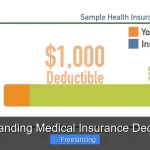
A deductible is the amount you pay out of pocket before insurance kicks in. Opting for a higher deductible (e.g., $250 instead of $100) can lower your monthly premium. Just make sure you can afford the deductible if you need care.
3. Travel During Off-Peak Seasons
Traveling during shoulder seasons (spring or fall) instead of peak summer or holiday periods can sometimes result in lower insurance rates. Insurers may charge more during busy travel times due to higher risk of delays or emergencies.
4. Consider a Shorter Policy Period
If your trip is only two weeks long, don’t buy a 30-day plan. Match your coverage to your trip duration. Many insurers offer flexible terms, so you only pay for what you need.
5. Look for Group or Family Discounts
Some insurers offer reduced rates when insuring multiple people. If you’re traveling with family or friends, bundle your policies to save money.
6. Use Credit Card Benefits Wisely
Many credit cards offer travel insurance as a perk. Before assuming coverage, verify the details. Some only cover trip cancellation, not medical emergencies. If the card’s coverage is limited, it might be cheaper to buy a standalone plan.
What to Look for in a Travel Medical Insurance Plan
Not all plans are the same. To get real value, you need to know what features matter most.
Medical Coverage Limits
Check the maximum payout for medical expenses. Most plans offer between $50,000 and $1 million. For high-risk destinations (like South Africa or parts of Central America), choose a plan with at least $100,000 in coverage.
Pre-Existing Condition Waivers
If you have a chronic condition (like diabetes or heart disease), look for a plan that offers a pre-existing condition waiver. This allows you to claim coverage for conditions that existed before you bought the policy—but only if you apply within a specific time frame (usually 10–20 days of purchase).
Emergency Evacuation
This is critical if you’re traveling to remote areas. Emergency evacuation covers the cost of transporting you to the nearest adequate medical facility or back to your home country. Make sure the plan includes air ambulance services, which can cost $50,000+.
24/7 Assistance Services
Look for a plan with a dedicated support line. If you’re in trouble, you want someone to help you find a doctor, coordinate care, or arrange evacuation—all in real time.
Trip Interruption and Delay Coverage
While not strictly medical, these benefits can save you money if your trip is disrupted due to illness, injury, or other emergencies. They cover additional lodging, meals, or transportation costs.
Top Insurers for Cheap Travel Medical Insurance
Here are some of the most reliable and affordable travel medical insurance providers:
1. World Nomads
Popular with backpackers and adventure travelers, World Nomads offers flexible plans for trips up to two years. Coverage includes medical, evacuation, and equipment protection. Prices start around $30 for a week-long trip.
2. SafetyWing
Great for digital nomads and long-term travelers. SafetyWing offers monthly plans with medical coverage, trip interruption, and emergency assistance. Known for affordable rates and simple sign-up.
3. Allianz Travel Insurance
A well-established name in the industry, Allianz offers comprehensive plans with solid medical coverage and 24/7 support. Their “Trip Cancellation” plans often include medical benefits. Premiums start around $40 for a two-week trip.
4. IMG (International Medical Group)
Provides customizable plans for short and long trips. IMG offers excellent value for travelers visiting high-risk destinations. Their “Atlas” plan is popular among expats and travelers.
5. Seven Corners
Specializes in international medical coverage. Seven Corners offers plans tailored to U.S. travelers and expats. Known for competitive pricing and fast claims processing.
6. Travel Guard
Offers a range of plans from basic to comprehensive. Travel Guard is part of AIG, a global insurance leader. Their plans include medical, evacuation, and concierge services.
Common Mistakes to Avoid
Even experienced travelers make these errors—and they can cost you money or leave you unprotected.
Skipping the Fine Print
Many travelers assume all plans cover the same things. But some exclude high-risk activities like scuba diving, skiing, or mountaineering. Always check the exclusions.
Buying Too Little Coverage
Cheap plans with low limits ($10,000 or less) might seem tempting, but they won’t cover serious medical events. A heart attack or broken leg could cost $50,000 or more—far exceeding the policy limit.
Waiting Too Long to Buy
If you wait until the day before you leave, you might miss early-bird discounts or even be denied coverage due to high risk (e.g., if you already have symptoms of illness).
Assuming Credit Card Coverage Is Enough
Credit card travel insurance often has gaps. For example, many only cover trip cancellation, not medical emergencies. If your card’s coverage is minimal, it’s better to buy a standalone plan.
Not Declaring All Activities
If you plan to go skiing or rock climbing, make sure your plan covers those activities. Otherwise, your medical expenses related to those activities may be denied.
How to File a Claim
If you need to use your travel medical insurance, here’s what to do:
- Contact the insurer immediately: Most plans require notification within 24–48 hours.
- Keep all receipts and documentation: Medical records, bills, and evacuation invoices.
- Submit the claim online or by mail: Follow the insurer’s process carefully.
- Wait for approval: Most claims are processed within 10–14 days.
Having a clear claim process and excellent customer service can make all the difference when you’re stressed or in pain.
Final Thoughts: Protect Yourself Without Breaking the Bank
Travel medical insurance doesn’t have to be expensive. With the right approach, you can find affordable plans that offer solid protection. The key is to compare carefully, understand your needs, and avoid common pitfalls.
Remember: the cheapest plan isn’t always the best. Look for a balance of price, coverage, and customer service. A small investment today can save you from a financial nightmare tomorrow.
So the next time you book a trip, don’t skip the insurance. Take a few minutes to shop around, read reviews, and choose a plan that fits your budget and your adventure. You’ll sleep better at night—and that’s worth more than any price tag.
Frequently Asked Questions
What is the cheapest type of travel medical insurance?
The cheapest type is usually a short-term basic medical plan, designed for trips under 90 days. These plans cover emergency care and hospitalization but offer fewer benefits. They’re ideal for quick getaways to developed countries.
Can I get travel medical insurance after I arrive at my destination?
Some insurers allow coverage to start after arrival, but premiums are higher, and pre-existing conditions are often excluded. It’s always better to buy before you leave.
Does travel medical insurance cover pre-existing conditions?
Only if you buy a plan with a pre-existing condition waiver and apply within a specific time frame (usually 10–20 days of purchase). Not all plans offer this.
Is travel medical insurance the same as travel insurance?
No. Travel insurance is broader and includes trip cancellation, baggage loss, and delay coverage. Travel medical insurance focuses only on medical emergencies and evacuation.
Can I cancel my travel medical insurance?
Most plans are non-refundable once purchased. However, some offer a “cancel for any reason” (CFAR) add-on for an extra fee, allowing cancellation with a partial refund.
Do I need travel medical insurance if I have Medicare?
No. Medicare doesn’t cover care abroad, except in limited cases (like emergency care during a cruise). You still need a travel medical plan for full protection.