Many countries around the world provide free or heavily subsidized healthcare to workers as part of their national social welfare systems. From Canada’s single-payer model to Germany’s social insurance approach, these nations ensure that employment comes with access to medical care without financial strain. Understanding how these systems work can inspire better workplace benefits and global policy discussions.
Countries offering free healthcare to workers aren’t just a dream—they’re a reality in many parts of the world. From Scandinavia to Central Europe, nations have built robust public health systems that ensure employees receive medical care without worrying about bills. These systems aren’t perfect, but they reflect a deep commitment to social welfare and human dignity. For workers, this means fewer financial worries, earlier access to treatment, and a stronger sense of security.
In today’s global economy, where healthcare costs are rising and job security is uncertain, understanding how other countries support their workers through healthcare can be eye-opening. Whether you’re an employee seeking better benefits, a policymaker designing reforms, or just curious about global labor standards, this article will walk you through the top countries offering free or nearly free healthcare to workers. You’ll learn how these systems work, who qualifies, and what makes them so effective.
Key Takeaways
- Universal healthcare systems exist in over 30 countries worldwide, with varying degrees of public funding and private involvement.
- Employers in these countries often contribute to national health funds rather than offering private insurance, reducing out-of-pocket costs for workers.
- Countries like Canada, the UK, and Germany rank high in healthcare accessibility and affordability due to strong government support and labor protections.
- Workers in these nations benefit from preventive care, emergency services, and chronic disease management at minimal or no cost.
- These systems reduce financial stress, improve productivity, and support a healthier workforce.
- Some countries offer hybrid models combining public funding with private options, allowing flexibility while maintaining coverage.
- Understanding these models can help workers advocate for better benefits and inspire policy reform in other nations.
📑 Table of Contents
What Does “Free Healthcare” Really Mean?
When people say a country offers free healthcare, they usually mean that the government funds medical services through taxes. This doesn’t always mean zero out-of-pocket costs—some countries still require small co-pays for prescriptions or visits. But the core idea is that workers don’t pay premiums, deductibles, or surprise bills when they see a doctor.
In most cases, employers in these countries contribute to national health funds. This is different from the U.S. model, where many workers rely on employer-sponsored private insurance. Instead of managing multiple plans, workers in countries with universal healthcare simply go to a clinic or hospital and receive care—often with little to no payment at the time of service.
How Healthcare Is Funded
Most countries with free healthcare for workers use a mix of income taxes, payroll deductions, and employer contributions. For example, in Germany, workers and employers each pay a percentage of income into a statutory health insurance fund. In the UK, the National Health Service (NHS) is funded entirely by general taxation.
This public funding model ensures that healthcare is treated as a right, not a privilege tied to income or employment status. Workers don’t have to choose between seeing a doctor and saving money—they can prioritize their health without fear of bankruptcy.
Eligibility and Access
Access to free healthcare often depends on residency, employment, or citizenship. In Canada, for instance, workers must live in a province to qualify for public coverage. In Germany, most employees are automatically enrolled in the public system if their income is below a certain threshold.
Some countries also allow workers to opt into private insurance if they prefer faster service or broader coverage. But even then, the public option remains the foundation of the system.
Top Countries Offering Free Healthcare to Workers

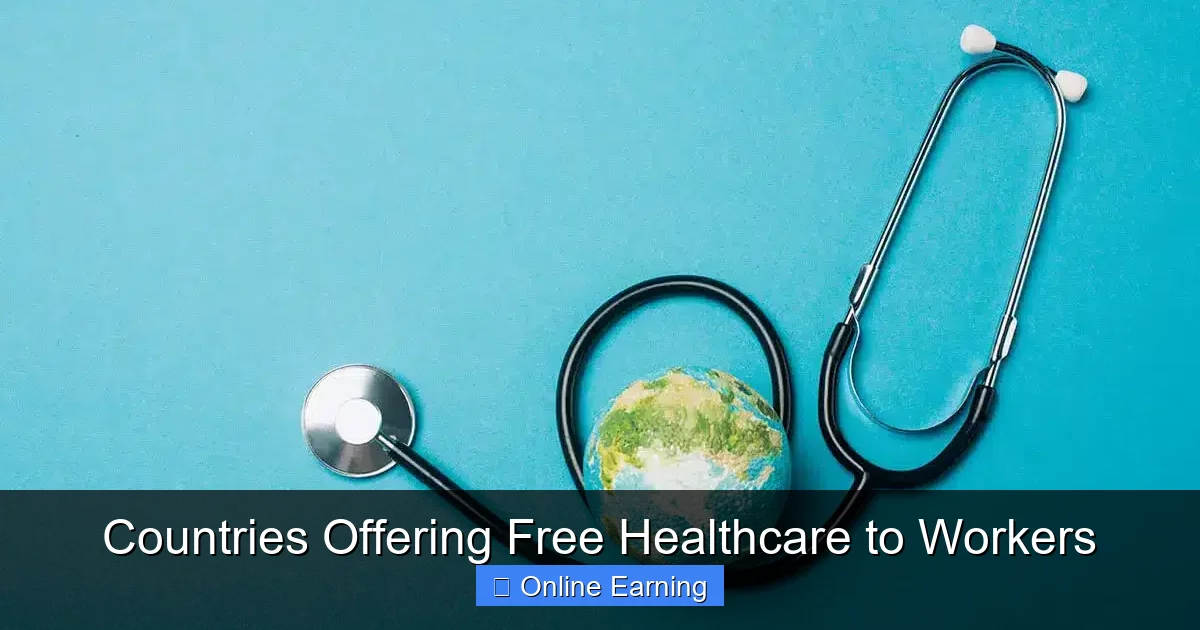
Visual guide about Countries Offering Free Healthcare to Workers
Image source: kampus-group.com
Several countries stand out for their comprehensive, publicly funded healthcare systems. These nations have consistently ranked high in global health indices and worker satisfaction surveys.
1. Canada – Single-Payer System with Provincial Administration
Canada provides universal healthcare to all legal residents through its publicly funded system. Workers don’t pay premiums, and most medical services—including doctor visits, hospital stays, and surgeries—are covered.
How It Works
Each Canadian province manages its own health plan, but all follow federal guidelines. Employers don’t provide private insurance for basic care. Instead, workers receive coverage through tax-funded programs.
Pros and Cons
- Pros: Low out-of-pocket costs, strong primary care, no financial barriers to treatment.
- Cons: Wait times for non-emergency procedures can be long.
2. United Kingdom – National Health Service (NHS)
The UK’s NHS is one of the oldest and most respected public health systems in the world. It provides free healthcare at the point of use to all residents, funded by general taxation.
How It Works
Workers contribute to the system through income taxes. Employers don’t offer separate health plans. Instead, the NHS covers everything from routine checkups to cancer treatment.
Recent Reforms
In recent years, the UK has introduced small co-payments for prescriptions and dental care to reduce strain on the system. However, emergency and primary care remain free.
3. Germany – Social Insurance Model
Germany uses a multi-payer system where most workers are covered by statutory health insurance (SHI). Employers and employees each pay a portion of income into these non-profit funds.
Who Is Eligible?
Most workers earning below a certain income threshold are automatically enrolled in SHI. Higher earners can choose private insurance, but the public option remains dominant.
Coverage Details
SHI covers doctor visits, hospital care, prescriptions, and preventive services. Workers pay small co-pays, but these are capped to protect low-income families.
4. Sweden – Decentralized Public System
Sweden offers universal healthcare through a decentralized system managed by regional councils. Workers pay no premiums, and most services are free at the point of use.
Funding
Taxes fund the system, with contributions from both employers and employees. The government ensures equitable access across regions.
Strengths
Sweden excels in preventive care and mental health services. Workers report high satisfaction due to timely access and strong primary care networks.
5. Norway – High-Income, High-Coverage Model
Norway provides free healthcare to all residents, including workers. The system is funded by high taxes and strong labor cooperation.
Special Features
Norway includes dental care and prescription drugs in its public coverage—something not offered in all countries. This makes it one of the most comprehensive systems globally.
6. France – World-Ranked Healthcare System
France’s healthcare system is often cited as one of the best in the world. Workers pay no premiums, and most services are reimbursed at 70–100% by the government.
How Reimbursements Work
Workers pay upfront and then submit receipts for reimbursement. This keeps costs low while maintaining high-quality care.
Private Complement
Many workers choose private insurance to cover the remaining costs and access faster appointments, but the public system remains the backbone.
How These Systems Benefit Workers
Visual guide about Countries Offering Free Healthcare to Workers
Image source: i0.wp.com
Free healthcare for workers isn’t just about cost savings—it has wide-ranging benefits for individuals and society.
Reduced Financial Stress
Medical bills are a leading cause of bankruptcy in countries without universal coverage. In nations with free healthcare, workers avoid this risk, allowing them to focus on recovery rather than debt.
Improved Health Outcomes
When people can access care without delay or financial barriers, they’re more likely to seek treatment early. This leads to better outcomes for chronic conditions like diabetes or heart disease.
Increased Productivity
Healthy workers are more productive. Countries with strong public health systems often report higher workforce participation and lower absenteeism.
Stronger Labor Rights
In countries where healthcare is tied to employment, workers gain greater job security. They’re less likely to be forced into unsafe jobs just to afford medical care.
Social Equity
Universal systems reduce health disparities. Low-income workers, immigrants, and part-time employees all have access to the same care as high-income earners.
Challenges and Criticisms
Visual guide about Countries Offering Free Healthcare to Workers
Image source: images.freeimages.com
While these systems offer clear benefits, they’re not without challenges.
Wait Times
In countries like Canada and the UK, long wait times for elective procedures are a common complaint. Critics argue this undermines the “free” aspect of healthcare.
Funding Pressures
As populations age, governments face rising healthcare costs. Some countries have introduced small user fees or co-pays to ease budget strain.
Private Sector Role
In systems like Germany and France, private insurance plays a significant role. Critics worry this creates a two-tier system where wealthier workers get better care.
Access in Rural Areas
Some countries struggle with provider shortages in rural regions, leading to longer travel times for care.
How Workers Can Advocate for Better Benefits
Even if you live in a country without free healthcare, you can still advocate for better worker benefits.
Know Your Rights
Research labor laws in your country. In many places, employers are required to offer health benefits, especially for full-time workers.
Join Unions
Labor unions often negotiate healthcare packages as part of collective bargaining agreements. Strong union presence can lead to better coverage.
Push for Policy Change
Support political candidates and policies that prioritize universal healthcare. Public pressure can lead to reform, even in countries without current coverage.
Use Online Resources
Websites like the World Health Organization (WHO) and OECD publish data on global healthcare systems. Use this information to make informed arguments.
Future Trends in Global Healthcare
The future of worker healthcare may look very different in the coming decades.
Expansion of Universal Models
More countries are moving toward universal coverage, inspired by systems in Canada, the UK, and Germany. Even the U.S. has seen growing support for public options.
Technology and Telemedicine
Digital health tools are making care more accessible. Workers in remote areas can now consult doctors online, reducing the need for travel.
Focus on Preventive Care
Countries with free healthcare are increasingly investing in prevention—vaccinations, screenings, and wellness programs—to reduce long-term costs.
Global Health Equity
International organizations are working to improve healthcare access in low-income countries, often through partnerships with local governments and NGOs.
Conclusion
Countries offering free healthcare to workers prove that it’s possible to balance economic growth with social welfare. These systems reduce financial stress, improve health outcomes, and support stronger, more productive workforces. While challenges exist—like wait times and funding—the overall benefits are clear.
For workers around the world, these models offer hope. Whether you’re advocating for change in your own country or simply learning about global practices, understanding how other nations care for their employees can inspire better policies and greater equity.
The future of work may well include healthcare as a fundamental right—not a perk. And countries that have already made this shift show the way.
Frequently Asked Questions
Which countries offer free healthcare to workers?
Several countries, including Canada, the United Kingdom, Germany, Sweden, Norway, and France, provide free or heavily subsidized healthcare to workers through publicly funded systems. These nations ensure that employees receive medical care without high out-of-pocket costs.
Do workers in these countries pay for healthcare?
Most workers pay no premiums, deductibles, or co-pays at the time of service. Funding comes from income taxes, employer contributions, and payroll deductions. Some countries may require small co-pays for prescriptions or specialist visits.
Is healthcare free in the United Kingdom?
Yes, the UK’s National Health Service (NHS) provides free healthcare at the point of use for all residents, including workers. Emergency care, general practitioner visits, and hospital treatment are covered by general taxation.
How does Germany’s healthcare system work for workers?
In Germany, most workers are enrolled in statutory health insurance, funded by equal contributions from employees and employers. Coverage includes doctor visits, hospital care, and prescriptions, with small co-pays capped to protect low-income families.
Can workers in these countries choose private insurance?
Yes, in countries like Germany and France, higher-income workers can opt for private insurance for faster access or broader coverage. However, the public system remains the foundation for the majority of employees.
Are there long wait times in countries with free healthcare?
Yes, some countries like Canada and the UK report longer wait times for non-emergency procedures. This is a common challenge in single-payer systems, though emergency and primary care are typically prioritized.