Travel health insurance is your safety net while exploring the world. It covers emergency medical expenses, trip cancellations, and more—helping you stay protected and stress-free. Whether you’re backpacking solo or on a family vacation, understanding what’s covered ensures you’re prepared for anything.
Key Takeaways
- Emergency medical coverage: Pays for hospital visits, surgeries, and urgent care abroad.
- Trip cancellation and interruption: Reimburses prepaid, non-refundable costs if your trip is canceled or cut short.
- Evacuation and repatriation: Covers emergency transport to the nearest suitable medical facility or even back home.
- Pre-existing conditions: Some plans cover them with a waiver—check policy details carefully.
- Adventure and sports coverage: Not all plans include high-risk activities; add riders if needed.
- 24/7 assistance services: Access to medical and travel support anytime, anywhere.
- Coverage gaps matter: Always compare plans to find one that fits your destination and activities.
📑 Table of Contents
What Does Travel Health Insurance Cover?
Planning your next getaway should be exciting—not stressful. Whether you’re jetting off to a tropical paradise, hiking the Swiss Alps, or backpacking across Southeast Asia, one thing’s for sure: things don’t always go as planned. That’s where travel health insurance comes in. It’s not just an optional add-on; for many travelers, it’s a lifeline. But here’s the catch: not all travel health insurance policies are created equal. Understanding what your policy covers—and what it doesn’t—can save you from financial ruin or medical emergencies in a foreign country.
In this comprehensive guide, we’ll walk you through everything your travel health insurance might cover, how it works, and why it matters. From emergency hospital stays to trip cancellations, we’ll break it down in plain, simple terms. By the end, you’ll know exactly what to look for when choosing a plan—and how to avoid common pitfalls. So grab your passport, sit back, and let’s dive into the world of travel health insurance.
1. Emergency Medical Coverage
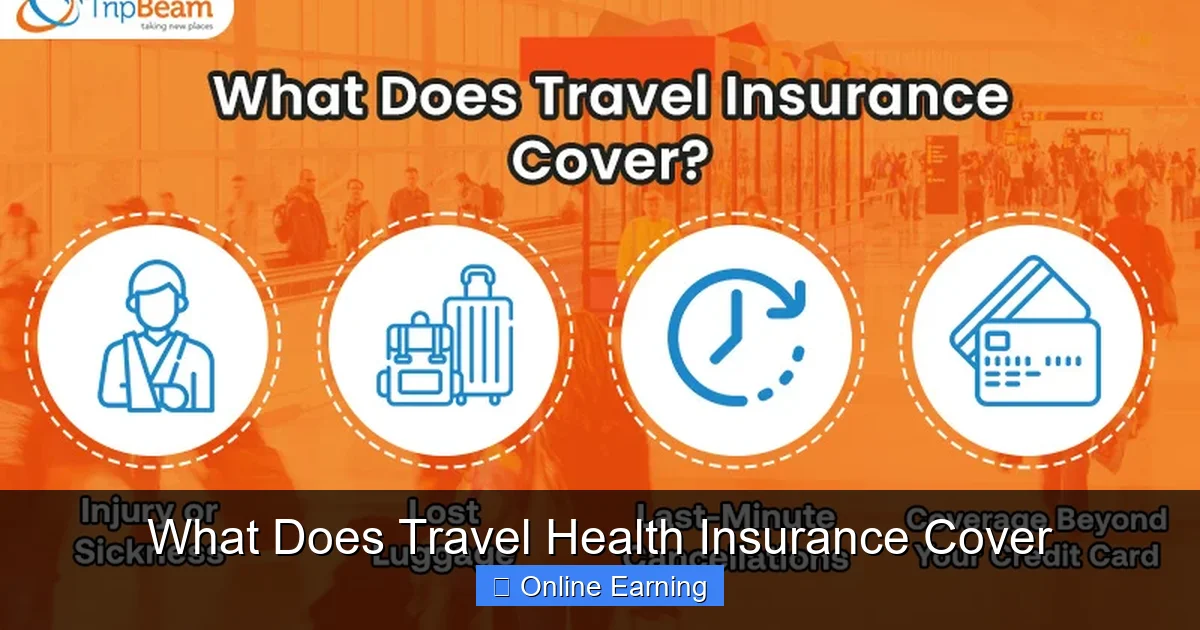
Let’s start with the most important part: what happens if you get sick or injured while abroad? Emergency medical coverage is the cornerstone of any good travel health insurance policy. It’s designed to protect you from unexpected medical bills that could otherwise wipe out your vacation budget—or worse, leave you stranded.
Visual guide about What Does Travel Health Insurance Cover
Image source: tripbeam.com
Hospital Stays and Surgery
If you’re admitted to a hospital while traveling, your policy may cover the cost of your stay, including room charges, nursing care, and surgical procedures. For example, if you break your leg while skiing in Colorado, emergency medical coverage could help pay for X-rays, the cast, and even a follow-up specialist visit. Most policies have a daily maximum (like $500 per day), so it’s smart to check those limits.
Doctor Visits and Prescriptions
Minor illnesses or injuries often require a visit to a local clinic or doctor. Your travel health insurance may cover the cost of consultations, diagnostic tests, and even prescription medications. Imagine getting food poisoning in Mexico—your policy might pay for the doctor’s visit, lab tests, and antibiotics, so you can recover fast and get back to enjoying your trip.
Emergency Dental Care
Toothaches don’t wait for the right moment. If you suffer a dental emergency—like a broken tooth from biting into something hard or a sudden infection—emergency dental coverage can help. Some plans cover up to $1,000 or more for urgent dental work. Just remember: cosmetic dentistry (like whitening or cleanings) usually isn’t included unless it’s medically necessary.
Pre-Existing Conditions: The Big Exception
One of the trickiest parts of travel health insurance is coverage for pre-existing medical conditions. These are illnesses you had before you left home—like diabetes, asthma, or hypertension. Many standard plans exclude these conditions entirely. But some insurers offer special coverage if you apply for a “pre-existing condition waiver” before your trip. You’ll need to provide medical records and possibly pay extra. It’s worth the effort if you rely on regular medication or treatment.
2. Trip Cancellation and Interruption
Life happens—and sometimes, it forces you to cancel or cut your trip short. That’s where trip cancellation and interruption coverage comes in. It reimburses you for prepaid, non-refundable expenses if you have to cancel or return home early due to covered reasons.

Visual guide about What Does Travel Health Insurance Cover
Image source: cdn.stratospherewebsites.com
Why It Matters
Let’s say you’ve spent months saving for a dream trip to Japan. You’ve booked flights, hotels, and tours—all paid in full. Then, a sudden family emergency forces you to return home. Without trip cancellation coverage, you’d lose every penny. But with a solid policy, you might get reimbursed for those flights and hotels—up to a certain limit.
Common Covered Reasons
Most policies cover cancellations or interruptions due to:
- Sickness or injury (yours or a family member’s)
- Death in the immediate family
- Natural disasters at your destination
- Work-related emergencies (if you’re a business traveler)
- Government travel advisories
For example, if a hurricane hits your destination and the airport shuts down, your trip interruption coverage might kick in and pay for a new flight home.
Pre-Existing Conditions and Trip Cancellation
Here’s a common misconception: if you have a pre-existing condition, you can’t cancel your trip due to it—even if it flares up while you’re traveling. But if you’ve purchased a pre-existing condition waiver before your trip, and your illness is directly linked to a condition you disclosed, you might be covered. Always read the fine print!
3. Emergency Evacuation and Repatriation
Imagine this: you’re in a remote area of Peru, and suddenly you need urgent medical care—but the nearest hospital is hours away, and there’s no ambulance service. That’s where emergency evacuation and repatriation coverage becomes critical.

Visual guide about What Does Travel Health Insurance Cover
Image source: waltontelken.com
What Is Emergency Evacuation?
Evacuation coverage pays for emergency transport to the nearest suitable medical facility. This could mean a helicopter ride to a city hospital or a medical flight to a specialized treatment center. It’s especially important for travelers heading to high-risk areas, like mountainous regions or conflict zones.
Repatriation: Bringing You Home
Repatriation is when you’re transported back to your home country for treatment. This might happen if local facilities can’t handle your condition. For example, if you suffer a stroke in Italy and need advanced care only available in the U.S., your policy might cover the cost of a medical flight home. Some plans even include a family member’s travel and lodging if someone needs to accompany you.
When Is It Used?
Evacuation and repatriation are typically triggered by:
- Life-threatening emergencies
- Natural disasters
- Civil unrest
- Loss or damage of travel documents
This coverage is often mandatory for certain visas (like those for Japan or New Zealand), so don’t skip it if you’re applying for one.
4. Additional Benefits and Riders
Beyond the basics, many travel health insurance plans offer extra perks—called “riders” or “add-ons”—that can enhance your protection. These aren’t always included by default, so you may need to pay extra or select them during checkout.
Adventure and Sports Coverage
If you’re into adventure sports—like scuba diving, skiing, rock climbing, or bungee jumping—standard policies might exclude these activities. But some insurers offer add-ons that cover injuries from such activities. For instance, if you get injured while deep-sea diving in the Great Barrier Reef, an adventure sports rider could cover your emergency treatment.
Baggage and Personal Belongings
Lost luggage, theft, or damaged items are common travel headaches. Some policies include baggage coverage that reimburses you for lost, stolen, or damaged personal items. You’ll usually need to report the loss to local authorities and keep receipts.
Travel Delay and Missed Connections
If your flight is delayed or canceled due to weather or mechanical issues, your policy might cover expenses like meals, hotel stays, and alternate transportation. This is especially helpful during peak travel seasons when delays are common.
24/7 Travel Assistance
Most plans include access to a 24/7 assistance hotline. This service can help you find doctors, translate medical documents, or even arrange emergency cash transfers. It’s like having a travel buddy on speed dial—no matter where you are in the world.
5. What’s Not Covered?
While travel health insurance offers broad protection, it’s not a catch-all. Understanding what’s excluded helps you avoid surprises—and choose the right plan.
Routine Care and Elective Procedures
Insurance typically doesn’t cover routine checkups, vaccinations, cosmetic surgery, or elective procedures. If you need a dental cleaning or a nose job, you’ll pay out of pocket.
Alcohol and Drug-Related Incidents
Injuries or illnesses caused by alcohol or illegal drug use are usually excluded. This includes accidents while under the influence or overdoses.
War, Terrorism, and Political Instability
Most policies exclude coverage in areas affected by war, terrorism, or civil unrest—unless you have a special war risk rider. If you’re traveling to a high-risk region, consider additional protection.
Unrelated Pre-Existing Conditions
If your condition worsens due to something unrelated to your original diagnosis—like a car accident while you have diabetes—coverage may not apply unless you have a pre-existing condition waiver.
6. How to Choose the Right Plan
With so many options, how do you pick the best travel health insurance? Here’s what to consider:
Your Destination
High-cost countries like the U.S., Canada, or Western Europe often require higher coverage limits. In contrast, countries with lower healthcare costs may need less. Always check the average cost of medical care in your destination.
Length of Trip
Short trips (under 7 days) might only need basic coverage. Longer trips or frequent travelers may benefit from annual policies that cover multiple trips.
Activities Planned
Do you plan to go hiking, scuba dive, or ski? Make sure your policy includes these activities or add the right rider.
Health and Age
Older travelers or those with health concerns should look for plans with strong pre-existing condition coverage and higher medical limits.
Compare Plans Side by Side
Use comparison tools to evaluate deductibles, coverage limits, exclusions, and customer reviews. Don’t just go for the cheapest option—look for value and reliability.
Conclusion
Travel health insurance isn’t just a formality—it’s a smart investment in your peace of mind. It covers everything from emergency medical bills to trip cancellations, helping you focus on what really matters: enjoying your adventure. Whether you’re a budget backpacker or a luxury traveler, understanding what your policy covers ensures you’re protected no matter what life throws your way.
Remember: not all plans are the same. Take the time to read the fine print, compare options, and choose a policy that fits your needs. And if you’re unsure, talk to a travel insurance expert. After all, the best vacation is one where you don’t have to worry about what might go wrong.
Frequently Asked Questions
Does travel health insurance cover COVID-19?
Many travel health insurance plans now include coverage for COVID-19-related medical expenses, such as hospital stays and testing. However, coverage for quarantine or trip cancellations due to COVID-19 varies by policy. Always check your plan details or choose a provider that explicitly covers pandemic-related issues.
Can I buy travel insurance after booking my trip?
Yes, but it depends on the policy type. “Cancel for Any Reason” (CFAR) plans allow you to buy after booking, but standard plans often require purchase within a certain number of days (usually 10–21) of your initial trip deposit. Trip interruption coverage usually starts on your departure date.
Is travel health insurance worth it for domestic trips?
Absolutely. Even domestic trips can involve medical emergencies, trip cancellations, or travel delays. A good policy can save you thousands in out-of-pocket costs, especially if you’re flying or traveling to remote areas.
What if I’m already covered by my employer’s health plan?
Domestic health plans rarely cover care abroad or trip-related expenses. Travel health insurance fills those gaps, offering emergency medical care, evacuation, and trip protection that your regular plan doesn’t provide.
How much does travel health insurance cost?
Prices vary based on your age, destination, trip length, and coverage level. On average, travelers spend 4–10% of their total trip cost on insurance. A $5,000 trip might cost $200–$500 in premiums.
Can I use my regular health insurance abroad?
Most domestic health plans offer limited or no coverage internationally. Even if they do, reimbursement may be slow or incomplete. Travel health insurance ensures immediate access to care and direct payment to providers, making it a better choice for most travelers.