Preparing for a visa interview? You’re not alone—and you can succeed with the right answers. This guide walks you through the most common visa interview questions and gives you clear, confident responses that highlight your intentions, financial stability, and ties to your home country. Whether you’re applying for a tourist, student, or work visa, these proven answers will help you communicate your case effectively and increase your chances of approval. With real examples and expert tips, you’ll walk into your interview feeling ready and in control.
Visa interviews can feel intimidating, but they’re really just conversations. Immigration officers want to understand your intentions and ensure you meet the requirements for a visa. The key to success? Preparation. When you walk into your interview knowing what to expect—and how to answer—you’ll speak with confidence and clarity.
Most visa interviews follow a similar pattern: the officer will ask you questions about your trip, background, and plans. They’re not trying to trick you—they’re trying to assess your honesty, your purpose, and your likelihood of following the rules. Whether you’re applying for a tourist visa to visit Europe, a student visa to study in Canada, or a work visa for the U.S., the same principles apply. This guide will walk you through the most common visa interview questions and give you practical, real-world answers so you can walk in feeling prepared and confident.
—
Key Takeaways
- Know your purpose: Clearly explain why you need the visa—whether for tourism, study, or work—and show consistency in your answers.
- Highlight strong ties: Emphasize your family, job, property, or future plans back home to prove you’ll return after your visit.
- Be honest and consistent: Never lie or change your story. Consistency across documents and interview answers builds trust.
- Prepare financial proof: Have clear evidence of funds, sponsorship, or income to support your trip without public assistance.
- Practice common questions: Rehearse answers to questions about your destination, travel history, and future plans to speak confidently.
- Dress professionally: First impressions matter. Dress neatly and respectfully to show seriousness and preparation.
- Stay calm and focused: Take a deep breath, listen carefully, and answer directly—don’t overthink or ramble.
📑 Table of Contents
Why Visa Interviews Matter
Visa interviews are more than just formalities—they’re the final step in determining whether you’re a trustworthy applicant. Immigration officers use these conversations to verify the information on your application and assess your credibility. They want to see that you understand the visa’s purpose, can support your trip financially, and have strong reasons to return home.
For many travelers, this is their first time speaking with an immigration officer in person. Nervousness is normal, but it shouldn’t stop you from preparing. The more you practice, the more natural it will feel. Remember, the officer is on your side—they’re not trying to reject you, but to make sure you meet the standards for entry.
—
Common Visa Interview Questions and Sample Answers
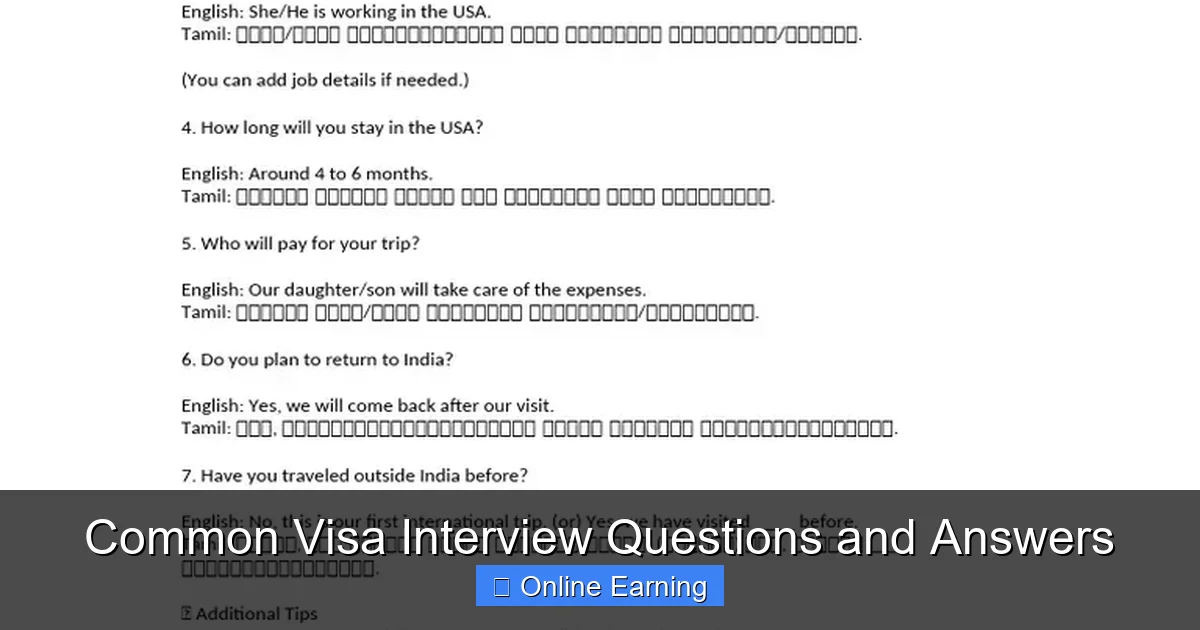
Visual guide about Common Visa Interview Questions and Answers
Image source: imgv2-1-f.scribdassets.com
Let’s go through the most frequently asked visa interview questions. These are the ones that appear across different visa types—tourist, student, and work visas alike. For each question, you’ll find a sample answer, a tip on how to answer, and a real-life example to help you understand how to respond effectively.
1. “Why do you want to visit [Country]?”
This is one of the most common visa interview questions. The officer wants to understand your purpose. Be specific, honest, and positive.
Sample Answer:
“I’ve always been fascinated by the history and culture of Italy. I’d like to visit Rome, Florence, and Venice to see the art, architecture, and landmarks like the Colosseum and the Uffizi Gallery. This trip is a long-held dream, and I’ve saved for it over the past two years.”
Tip:
Avoid vague answers like “I want to relax” or “I like traveling.” Instead, mention specific places, experiences, or goals. Show that your trip has meaning.
Example:
If you’re applying for a student visa, say:
“I’ve been accepted into a Master’s program in Environmental Science at the University of Toronto. This is my first step toward a career in sustainable development, and I plan to return home to work with local NGOs.”
—
2. “How long do you plan to stay?”
Be clear about your duration and back it up with details from your itinerary or invitation letter.
Sample Answer:
“I plan to stay for 14 days, from June 10 to June 24. I’ve already booked round-trip flights and a hotel in Milan for the first week. I’ll travel to Venice and Rome afterward, and I’ve made tentative plans to meet a friend in Florence.”
Tip:
If you’re on a tourist visa, keep your stay short and realistic. For work or study visas, mention your program duration.
Example:
For a work visa:
“I’ll be in Germany for a six-month internship at a tech company in Berlin. My employer has confirmed my start and end dates, and I’ve arranged housing through their program.”
—
3. “Who will support you during your trip?”
This question checks your financial situation. Be honest about who is funding your trip.
Sample Answer:
“My parents are supporting me financially. They’ve transferred the funds to my account, and I have a bank statement showing the deposit. I also have a small scholarship that will cover some expenses.”
Tip:
Bring bank statements, sponsorship letters, or proof of income. If you’re self-funded, show consistent deposits over time.
Example:
If your friend is paying for part of the trip:
“A close friend is contributing $1,000 toward my travel. I’ve paid the rest myself from my savings. I have bank statements showing regular deposits over the past year.”
—
4. “Do you have any family in [Country]?”
This helps the officer assess your ties to your home country. If you do have family there, mention it. If not, explain your strong ties elsewhere.
Sample Answer:
“No, I don’t have family in the U.S., but I do have strong ties to my home country. I own a small business in Nairobi, which I plan to continue managing during my trip. I also have two children and a spouse who will be living with me when I return.”
Tip:
Even if you don’t have family in the destination country, highlight other ties—job, property, children, future plans.
Example:
For someone with no family abroad:
“I’m single and don’t have family in Canada, but I’ve lived in Vancouver for five years as a software engineer. I own a condo there and have a job lined up to return to after my visit.”
—
5. “Have you ever been denied a visa before?”
Answer truthfully. Honesty builds trust.
Sample Answer:
“Yes, I was denied a tourist visa to the UK three years ago. I had insufficient financial proof at the time. Since then, I’ve saved more, improved my job stability, and now have a clear travel plan. I’ve learned from the experience and am confident this application is stronger.”
Tip:
If you were denied, explain what you’ve done to improve your situation—better finances, stronger ties, or clearer plans.
Example:
Avoid: “I don’t remember.”
Do say: “Yes, I was denied in 2020. I’ve since taken steps to strengthen my application.”
—
6. “What will you do after your trip?”
This shows your long-term plans and ties to your home country.
Sample Answer:
“After visiting Japan, I’ll return to my job as a marketing manager in Seoul. I have a contract for another year, and I’m planning to start a side business in digital marketing when I get back.”
Tip:
Mention your job, family, education, or future goals. Avoid saying you plan to stay permanently unless that’s your goal (and you’re applying for a long-term visa).
Example:
For a student:
“After my exchange semester in Spain, I’ll return to my university in Madrid to complete my degree. I’m aiming to work in international development afterward.”
—
7. “Why should we approve your visa?”
This is a direct question—answer with confidence.
Sample Answer:
“Because I have a clear purpose for my trip, strong financial support, and strong ties to my home country. I’m not overstaying, and I won’t violate any visa conditions. I’m a responsible traveler with a stable job and family.”
Tip:
Summarize your key points: purpose, finances, and intent to return.
Example:
For a work visa applicant:
“You should approve my visa because I have a confirmed job offer, a contract, and a sponsor who will support me. I have no intention of overstaying, and I plan to return after my contract ends.”
—
How to Prepare for Your Visa Interview
Visual guide about Common Visa Interview Questions and Answers
Image source: resources.biginterview.com
Preparation is the difference between a smooth interview and a stressful one. Here’s how to get ready.
1. Review Your Application
Go over every detail of your application. Know your passport number, travel dates, accommodation, and who is funding your trip. If you made any changes after submitting, be ready to explain them.
2. Practice Your Answers
Practice out loud—with a friend, family member, or even in front of a mirror. Record yourself to check your tone and clarity. Focus on being concise and confident.
3. Bring All Required Documents
Even if the officer doesn’t ask to see them, have them ready. Bring:
– Passport
– Visa application form
– Bank statements
– Flight and hotel bookings
– Invitation letter (if applicable)
– Proof of employment or enrollment
4. Dress Appropriately
Dress neatly and professionally. Business casual is usually safe. Avoid flashy clothing or strong perfumes. First impressions matter.
5. Arrive Early
Get to the interview location at least 30 minutes early. This reduces stress and shows you’re organized.
—
Tips for Speaking During the Interview
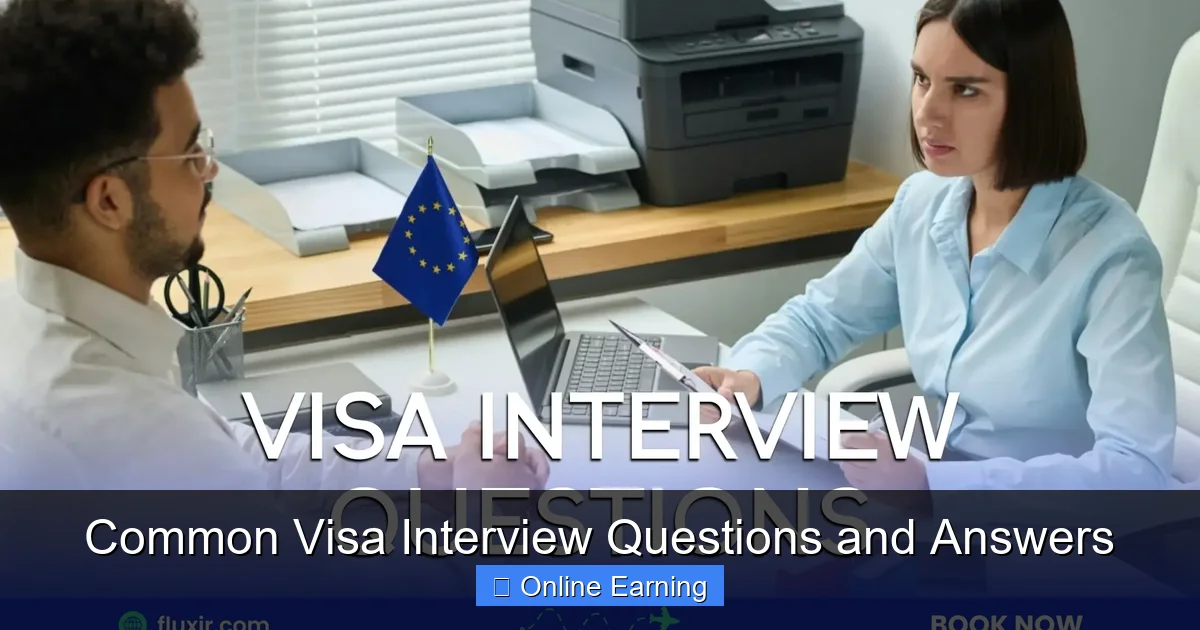
Visual guide about Common Visa Interview Questions and Answers
Image source: blog.fluxir.com
How you speak can make a big difference. Here’s how to communicate effectively.
1. Speak Slowly and Clearly
Don’t rush. Pause between sentences. This shows you’re thinking carefully and helps the officer understand you.
2. Make Eye Contact
Look at the officer when answering. It shows confidence and honesty.
3. Answer the Question
Avoid going off-topic. If asked about your trip, don’t start talking about your childhood. Stay focused.
4. Use Simple Language
Don’t use slang or overly complex words. Simple, clear sentences work best.
5. Stay Calm
If you don’t understand a question, ask for clarification. Take a deep breath. Nervousness is normal—just keep going.
—
What to Do If You’re Denied
Even with the best preparation, some applications are denied. Don’t panic. Ask the officer for the reason. Was it financial? Intent to return? Once you know, you can address the issue and reapply.
Common reasons for denial include:
– Incomplete documentation
– Suspicion of overstaying
– Lack of financial proof
– Inconsistent answers
If you’re denied, don’t give up. Many people reapply after improving their application.
—
Final Thoughts
Visa interviews don’t have to be scary. With the right preparation, you can walk in feeling confident and ready. The key is to be honest, consistent, and clear. Know your purpose, support your answers with proof, and show strong ties to your home country.
Remember, the officer is looking for red flags—not perfect answers. As long as you’re genuine and prepared, you’ll do just fine. Practice your answers, bring your documents, and speak with confidence. You’ve got this.
—
Frequently Asked Questions
What should I do if I don’t understand a question during the interview?
Politely ask the officer to repeat or clarify the question. It’s better to ask than to give a wrong answer. Most officers will rephrase or explain.
Can I bring a friend or family member to the interview?
Usually not. Interviews are private, and bringing someone else may delay the process. Check your embassy’s rules, as some allow support persons for minors or people with disabilities.
How long does a visa interview usually take?
Most interviews last 5 to 15 minutes. It depends on how detailed your answers are and whether the officer needs to verify information.
Should I memorize my answers word for word?
No. Memorizing can make you sound robotic. Instead, know the key points and speak naturally. It’s okay to pause and think.
What if I make a small mistake in my answer?
It’s fine. If you realize you made an error, calmly correct it. Lying or contradicting yourself is worse. Honesty is always the best policy.
Can I apply for a visa without an interview?
Some countries offer visa waivers or e-visas that don’t require an interview. Check your destination’s rules. Most tourist and student visas still require one.