Finding visa sponsorship jobs online can open doors to international careers, but it takes strategy. With the right tools and mindset, you can identify employers willing to sponsor your work visa and navigate complex immigration processes. This guide walks you through trusted job boards, visa-friendly industries, and smart search techniques to maximize your chances of success.
Key Takeaways
- Use specialized job boards: Platforms like Glassdoor, Indeed, and VisaList are tailored to visa-sponsored roles and help filter by sponsorship availability.
- Target visa-friendly industries: Tech, healthcare, engineering, and finance sectors are more likely to offer visa sponsorship due to labor shortages.
- Research company policies: Not all companies sponsor visas—check employer reviews and immigration history before applying.
- Polish your resume for international hiring: Tailor your CV to highlight skills relevant to your target country’s job market and visa requirements.
- Understand visa types: Know the difference between work visas (e.g., H-1B, Skilled Worker Visa) and which roles qualify for sponsorship.
- Network strategically: Use LinkedIn and professional groups to connect with recruiters and employees at companies known for sponsoring visas.
- Be patient and persistent: Visa sponsorship can take time—stay proactive and keep applying to multiple opportunities.
📑 Table of Contents
- How to Check Visa Sponsorship Jobs Online
- Why Visa Sponsorship Matters
- Top Platforms to Find Visa Sponsorship Jobs
- How to Identify Visa-Friendly Companies
- Optimizing Your Resume for Visa Sponsorship Roles
- Writing a Winning Cover Letter
- Networking for Visa Sponsorship Opportunities
- Understanding Different Visa Types
- Common Mistakes to Avoid
- Final Thoughts: Stay Persistent and Positive
How to Check Visa Sponsorship Jobs Online
Have you ever dreamed of working abroad, building a global career, or experiencing a different culture while advancing professionally? If so, you’re not alone. Millions of job seekers worldwide are searching for visa sponsorship jobs online—positions where employers agree to sponsor their work visa so they can legally live and work in another country. But finding such roles isn’t as simple as applying to any job listing. It requires strategy, research, and persistence.
In today’s digital age, the internet has made it easier than ever to find international opportunities. Yet, with countless job boards, recruitment agencies, and company websites, it can be overwhelming to know where to start. That’s why this guide is here: to walk you through the step-by-step process of identifying and applying to visa sponsorship jobs online. Whether you’re targeting the U.S., Canada, the U.K., Australia, or other countries, we’ll cover the best platforms, red flags to avoid, and insider tips to boost your chances of landing a role with visa support.
Why Visa Sponsorship Matters
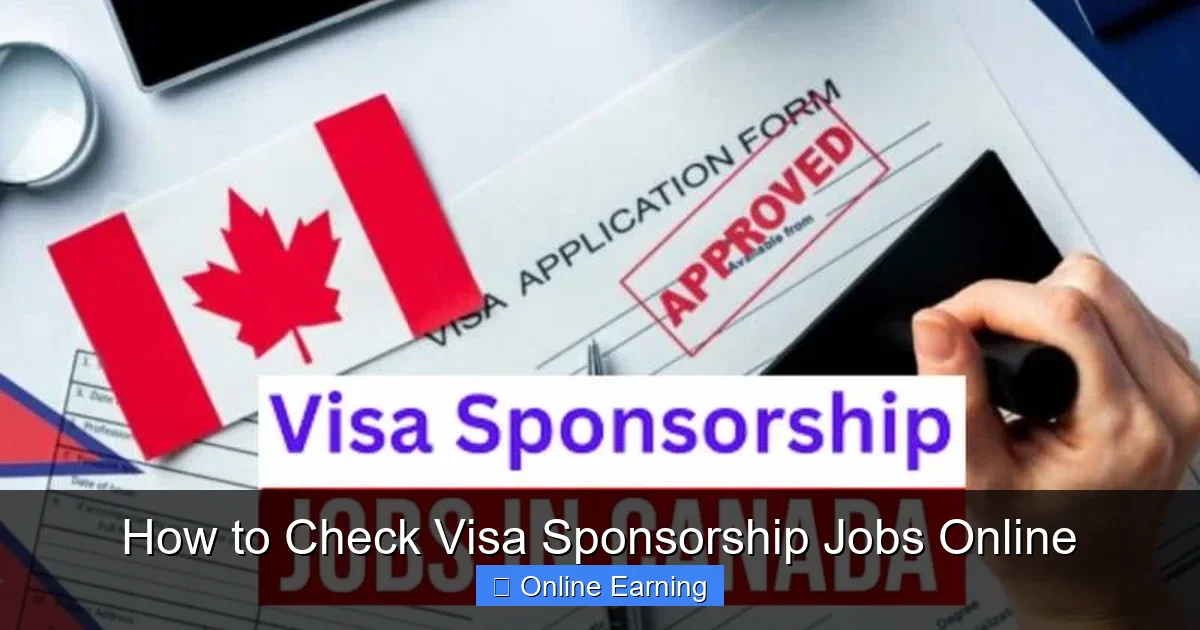
Visa sponsorship is more than just a legal formality—it’s a lifeline for skilled professionals seeking to work abroad. Without employer sponsorship, obtaining a work visa can be nearly impossible, especially in countries with strict immigration policies. For example, in the United States, the H-1B visa program is highly competitive, with over 400,000 applications for just 85,000 spots each year. Only employers who agree to sponsor your visa can file the petition on your behalf.
Visual guide about How to Check Visa Sponsorship Jobs Online
Image source: yesijob.com
Similarly, in the U.K., employers must prove they’ve tried to recruit from the local labor market before sponsoring a Skilled Worker Visa. This means not every company is willing or able to go through the process. That’s why it’s crucial to focus your job search on roles and employers known for offering visa sponsorship. The good news? Many multinational corporations, tech startups, and healthcare organizations actively recruit international talent and sponsor visas—if you know where to look.
Top Platforms to Find Visa Sponsorship Jobs
1. General Job Boards with Visa Filters
Major job platforms like Indeed, LinkedIn, and Glassdoor have evolved to include filters for visa sponsorship. On Indeed, for example, you can search for jobs and apply a filter such as “Visa sponsorship available” to narrow down your results. This feature is especially useful in countries like Canada, Australia, and the U.K., where employers are required to disclose sponsorship eligibility.
Visual guide about How to Check Visa Sponsorship Jobs Online
Image source: techtalentzone.com
LinkedIn is another powerful tool. Use the “Work Visa Sponsorship” filter in your job search, and read through job descriptions carefully. Many recruiters explicitly mention whether they offer visa support. You can also view a company’s “Life at [Company]” section to see if current employees post about visa assistance.
2. Specialized Job Boards
Some websites focus specifically on international and visa-sponsored roles. Visalist.com is one such platform, offering a curated list of jobs in the U.S., Canada, Australia, and the U.K. that include visa sponsorship. It’s a paid service, but many users find it worth the investment due to its high-quality leads.
Other niche boards include:
- JobsInTheUS.com – Focuses on U.S. visa-sponsored roles, especially in tech and engineering.
- JobServe (UK) – Includes a “Sponsored by Employer” filter for UK visas.
- AmbitionBox – Features company reviews where employees often mention visa sponsorship policies.
3. Company Career Pages
Many multinational companies post visa-friendly roles directly on their career websites. For example, Google, Microsoft, and Amazon frequently sponsor H-1B visas for tech professionals. Instead of relying solely on third-party job boards, visit the careers page of companies you admire and search for keywords like “visa sponsorship,” “work authorization,” or “relocation support.”
Pro tip: Use Google search operators to find these roles faster. Try searching: site:careers.google.com “visa sponsorship”
How to Identify Visa-Friendly Companies
Not all companies are created equal when it comes to visa sponsorship. Some industries and employers are more likely to offer this support than others. Here’s how to identify the best candidates:
Visual guide about How to Check Visa Sponsorship Jobs Online
Image source: visasponsorshipsjob.com
Industries That Frequently Sponsor Visas
- Technology: Silicon Valley and global tech hubs constantly need software engineers, data scientists, and IT specialists. Companies like Google, Apple, and startups in Austin or Berlin often sponsor visas.
- Healthcare: Doctors, nurses, and medical researchers are in high demand worldwide. Hospitals and research institutions often sponsor visas for critical roles.
- Engineering: Civil, mechanical, and electrical engineers are needed in countries facing infrastructure challenges.
- Finance and Consulting: Big firms like Deloitte, PwC, and JPMorgan Chase sponsor visas for analysts and consultants.
How to Research Company Sponsorship History
Before applying, do your homework. Use Glassdoor or AmbitionBox to read employee reviews. Search for phrases like “visa sponsorship,” “work permit,” or “relocation package.” If multiple employees mention it, the company is likely open to sponsoring visas.
Also, check the company’s immigration policy on their website. Some multinational corporations publish a global mobility page explaining their visa support process.
Optimizing Your Resume for Visa Sponsorship Roles
Your resume is your first impression—and in visa sponsorship applications, it can make or break your chances. Since employers want to see that you’re a serious candidate who can transition smoothly, your CV should reflect professionalism and clarity.
Tailor Your Resume for the Target Country
Resume standards vary by country. For example:
- In the U.S., include your full name, phone number, email, and LinkedIn profile.
- In the U.K., list your full name, contact details, and education first.
- In Australia, use a clear, concise format with bullet points.
Use a professional template and avoid personal details like marital status or age—these can trigger bias.
Highlight Relevant Skills and Experience
Emphasize skills that align with the job description and the country’s labor needs. For example, if you’re applying for an H-1B role in the U.S., highlight technical certifications, project experience, and education.
Include a professional summary at the top that mentions your interest in international opportunities and willingness to relocate. Example: “Highly motivated software engineer seeking a visa-sponsored role in the U.S. to contribute to innovative tech projects.”
Writing a Winning Cover Letter
A strong cover letter can set you apart. In visa sponsorship applications, it’s your chance to explain why you want to work abroad, your long-term goals, and how you’ll contribute to the company.
Structure Your Cover Letter
- Introduction: Mention the specific role and how you found it.
- Why this company? Show genuine interest in their mission or projects.
- Your qualifications: Briefly summarize your experience and skills.
- Visa sponsorship: Politely ask if they sponsor visas and express your eagerness to discuss relocation.
- Closing: Thank them and request a conversation.
Example: “I am excited about the Software Engineer position at XYZ Corp and am eager to bring my experience in cloud development to your team. I understand that international candidates often require visa sponsorship, and I’m happy to discuss how I can support your hiring process in this regard.”
Networking for Visa Sponsorship Opportunities
Many visa-sponsored jobs are filled through referrals—not job boards. That’s why networking is crucial.
Use LinkedIn Strategically
Search for employees at companies you’re interested in. Send personalized connection requests with a message like: “Hi [Name], I’m exploring opportunities at [Company] and would love to learn about your experience, especially regarding visa sponsorship for international candidates.”
Engage with their posts, comment thoughtfully, and join LinkedIn groups related to your industry. These connections can lead to insider tips or referrals.
Attend Virtual Career Fairs
Many universities and organizations host online career fairs focused on international recruitment. These events connect job seekers with employers offering visa support. Examples include the Global Career Fair and the International Student Job Fair.
Understanding Different Visa Types
Knowing which visa you’re eligible for helps you target the right jobs. Here are common work visas by country:
United States
- H-1B: For specialty occupations (e.g., IT, engineering). Requires a bachelor’s degree or equivalent.
- L-1: For employees transferring from a foreign office to a U.S. branch.
- O-1: For individuals with extraordinary ability in science, arts, or business.
United Kingdom
- Skilled Worker Visa: For roles on the official shortage occupation list or with a licensed sponsor.
- Global Talent Visa: For leaders in science, engineering, or technology.
Canada
- Global Talent Stream: Fast-tracks visa processing for tech and innovation roles.
- Provincial Nominee Program (PNP): Allows provinces to sponsor candidates for jobs in high-demand fields.
Research the specific requirements for your country and profession. Some visas require a job offer before you can apply, while others allow you to apply first.
Common Mistakes to Avoid
Even with the best strategy, mistakes can derail your job search. Here are the most common pitfalls:
- Applying without checking sponsorship: Always read the job description carefully. If it says “must have valid work authorization,” the employer likely won’t sponsor you.
- Not tailoring applications: A generic resume and cover letter won’t impress visa-sponsoring employers.
- Ignoring company research: Applying blindly increases rejection chances.
- Being too passive: Don’t wait for the “perfect” job. Apply to multiple roles and follow up.
- Underestimating the timeline: Visa processing can take months. Start early.
Final Thoughts: Stay Persistent and Positive
Finding a visa sponsorship job online is a marathon, not a sprint. There will be rejections, unanswered applications, and moments of doubt. But every application brings you closer to your goal. Stay organized, keep learning, and don’t be afraid to reach out for help.
Remember, many successful professionals started where you are now. With the right tools, mindset, and persistence, you can land a role that not only advances your career but also opens doors to a world of new experiences. The journey may be challenging, but the destination—working abroad, growing professionally, and living your dream—is absolutely worth it.
Start today. Update your resume, explore visa-friendly job boards, and begin networking. Your future self will thank you.
Frequently Asked Questions
What does “visa sponsorship” mean in a job context?
Visa sponsorship means the employer agrees to support your work visa application by filing the necessary paperwork and meeting legal requirements. This allows you to legally work in their country. Not all employers offer this, so it’s important to ask during the application process.
Can I apply for visa sponsorship jobs if I’m currently in my home country?
Yes, many visa-sponsored roles are open to international candidates. Employers often hire remotely during the initial stages and then assist with relocation and visa processing once selected. Make sure to mention your location in your application and ask about remote interview options.
How long does it take to get a work visa after receiving a job offer?
It varies by country and visa type. In the U.S., H-1B processing can take 3 to 6 months, while the U.K. Skilled Worker Visa may take 3 to 8 weeks. Always check with the employer and immigration office for accurate timelines.
Do I need a job offer before applying for a visa-sponsored role?
In most cases, yes. You typically need a formal job offer from a licensed sponsor before applying for a work visa. Some countries allow you to apply first, but having an offer significantly increases your chances.
Are visa sponsorship jobs limited to certain industries?
While some industries like tech, healthcare, and engineering are more likely to sponsor visas due to labor shortages, many sectors now offer sponsorship. Always research the employer’s history and the specific job requirements.
What should I do if my visa application is denied?
Ask the employer or immigration office for the reason. You may be able to reapply or appeal. Some countries allow you to reapply after a waiting period. Use this as a learning opportunity and consider alternative visa options or countries.